Centre exempts excise duty on E30 petrol, but higher ethanol blended fuels aren't coming just yet

- New excise notifications cover petrol with up to 30 per cent ethanol, though the government says rollout remains some way off.
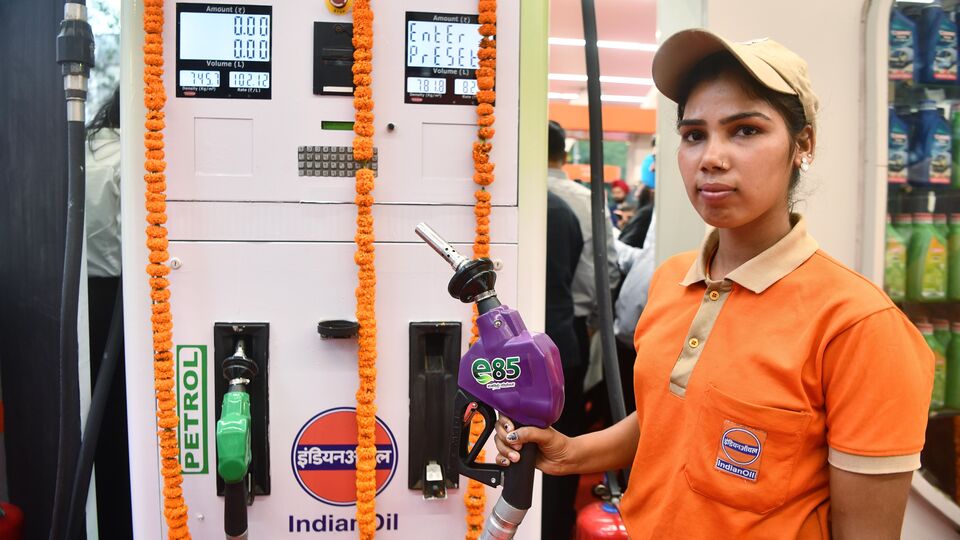


The central government has extended excise duty exemptions to petrol blended with higher levels of ethanol, bringing E22, E25, E27 and E30 fuels under the same framework that already applies to E20 petrol. While the move marks another step in India's ethanol-blending programme, the government has clarified that these fuels are not set for an immediate launch.





Regulatory groundwork put in place
The change comes through notifications issued by the Department of Revenue under the Ministry of Finance. The notifications grant nil central excise duty on eligible higher ethanol-petrol blends that meet Bureau of Indian Standards (BIS) specifications.
Also check these Vehicles
The decision follows the availability of BIS standards for blends above E20. Earlier, excise exemptions applied only to ethanol-blended petrol containing up to 20 per cent ethanol. With standards now in place for E22, E25, E27 and E30, the exemption has been extended to cover those fuels as well.
Also Read : India-UK FTA to cut McLaren sports car prices by up to ₹3.3 crore
No signal of an imminent rollout
Despite the development, the government has stressed that the notifications should not be seen as the start of a market rollout for higher ethanol blends.
According to the ministry, the move is a necessary regulatory step that allows such fuels to be considered in the future. Before any introduction, higher blends will undergo further testing and consultations with stakeholders.
That distinction is important because fuel standards and tax treatment are only part of the process. Vehicle compatibility, infrastructure readiness and broader industry discussions will also influence any future deployment.
What the notification says
The Gazette lays down the composition requirements for each blend. For example, E22 fuel must consist of 78 per cent petrol and 22 per cent ethanol by volume, while E30 must contain 70 per cent petrol and 30 per cent ethanol. In both cases, the fuel must conform to BIS specification IS 19850 and meet the prescribed tax requirements on its components.
The notifications also build on an existing arrangement under which ethanol blending at fuel depots is treated as a manufacturing activity. That activity was already exempt from excise duty for blends up to E20.
Also Read : India's very first E100 compatible car unveiled: Meet Maruti Suzuki WagonR BioFlex
Part of a larger ethanol push
Although largely administrative, the latest notifications remove a regulatory hurdle that could have complicated the future introduction of higher ethanol blends. For now, motorists are unlikely to notice any immediate change at fuel stations. Still, the policy framework is now in place should India decide to move beyond E20 in the years to come.
(With inputs from ANI)
Get insights into Upcoming Cars In India, Electric Vehicles, Upcoming Bikes in India and cutting-edge technology transforming the automotive landscape.


Editor's Pick




Trending this Week