MoRTH proposes mandatory AEB systems for passenger vehicles from 2032

MoRTH proposes mandatory emergency braking systems for passenger vehicles by 2032, alongside new steering, lane-keeping and driver-alert requirements, aiming to improve road safety and reduce fatalities
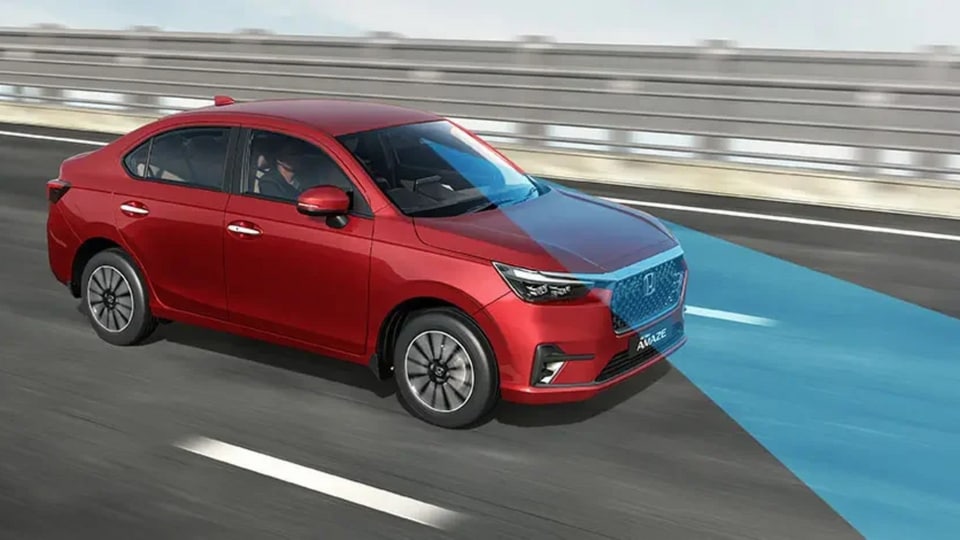


The Ministry of Road Transport and Highways (MoRTH) has proposed to mandate Advanced Emergency Braking Systems (AEBS) in all M1 category vehicles in India from October 1, 2032. It is a class of passenger vehicles with up to eight seats, not including the driver’s seat. The proposal is a part of a draft notification to amend the Central Motor Vehicles Rules (CMVR), 1989.




Under the regulations that were proposed by the MoRTH, AEBS will first become mandatory for new M1 category vehicle models manufactured from October 1, 2030. The requirement would subsequently extend to all models, including those already in production, from October 1, 2032. The draft notification is open for public consultation for 30 days, during which stakeholders can submit their objections and suggestions.
Also check these Cars


MoRTH Proposes Phased Rollout of Advanced Emergency Braking
Additionally, the proposed regulations are part of the government's broader efforts to reduce road accidents and fatalities by 50 per cent by 2030. AEBS is an advanced driver assistance system (ADAS) designed to detect potential collisions and automatically apply the brakes if the driver fails to respond in time.
According to the draft notification, M1 and N1 category vehicles equipped with AEBS will have to comply with Automotive Industry Standard AIS-185 from October 1, 2028. The N1 category includes goods vehicles with a gross vehicle weight of up to 3.5 tonnes. The rollout will make AEBS compulsory for all newly manufactured M1 category models from October 1, 2030, before extending the requirement to the entire category from October 1, 2032.
Steering and Lane-Keeping Systems to Get New Standards
Besides automatic emergency braking, MoRTH has proposed additional requirements for steering and lane-keeping technologies. From October 1, 2027, steering effort across motor vehicles will have to comply with AIS-193. Motorcycles, invalid carriages and three-wheelers that do not have a steering wheel will be exempt from this requirement.
M1 category vehicles equipped with Automatic Command Steering Functionalities (ACSF) will also have to comply with AIS-193 from the same date. Notably, vehicles fitted with an Emergency Lane Keeping System (ELKS) will need to meet the requirements specified under AIS-191 (Part 1).
Not only that, but the draft proposes making ACSF and ELKS mandatory for M1 category vehicles registered as transport vehicles from October 1, 2029. Drowsiness detection and driver-attention warning systems are also expected to become mandatory for taxis under the proposed framework.
Also Read : 2027 Hyundai Tucson sets per-order record on first day in South Korea; receives 15,045 bookings
Additional Safety Requirements for Commercial Vehicles
The proposed passenger vehicle regulations come alongside a broader push to improve safety standards for commercial vehicles. New truck and bus models are already scheduled to receive AEBS from January 2027. Additional mandatory safety technologies include blind-spot information systems, moving-off information systems, driver-drowsiness detection and alerts, and lane-departure warning systems.
The government has also proposed a revised braking standard for trucks from October 1, 2027. Electronic Stability Control (ESC) is a key safety feature being introduced to improve vehicle stability, particularly during braking and cornering. Earlier this year, MoRTH proposed mandating Vehicle-to-Vehicle (V2V) communication technology in all newly manufactured vehicles from October 1, 2028. The system enables vehicles to exchange real-time information, including their speed, position and direction. The technology is expected to complement ADAS features such as AEBS by allowing vehicles to share relevant information and potentially alert drivers to hazards earlier.
Get insights into Upcoming Cars In India, Electric Vehicles, Upcoming Bikes in India and cutting-edge technology transforming the automotive landscape.
Editor's Pick



Trending this Week