PriceSpecs & FeaturesMileageUser ReviewsColoursImages

BAJAJ Pulsar N160

₹1.16 - 1.43 Lakhs*
*Ex-showroom price
3Expert Score

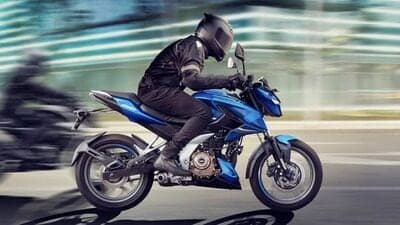
The premium 160cc street-naked motorcycle segment demands a fine balance of aggressive aesthetics, athletic city handling, and pocket-friendly running costs. Meeting this challenge head-on is the 2026 Bajaj Pulsar N160. Built on Bajaj’s modern modular platform, this streetfighter captures the stealthy, muscular silhouette of its larger siblings while delivering refined power. For young professionals and enthusiast commuters searching for a reliable, tech-savvy naked bike with class-leading safety features, the Pulsar N160 stands tall as an exceptional everyday package.

Bajaj Pulsar N160 Price in India and Variant Lineup

The Bajaj Pulsar N160 is competitively priced to rival premium sports commuters, sitting right at the sweet spot of value. The ex-showroom price for the entry-level single-seat layout starts at Rs. 1.13 Lakh, while the top-of-the-line trim featuring premium suspension hardware and complete smartphone integration reaches up to Rs. 1.26 Lakh.

Bajaj structures the lineup into four specific variants based on seat configurations, brake architectures, and front fork technology.

Variant and Ex-Showroom Pricing Structure

Variant ChoicesUnique Mechanical & Tech FeaturesEx-Showroom Price (Approx.)
Pulsar N160 Single Seat Dual Channel ABSSingle-piece saddle, standard telescopic forks, dual-channel safetyRs. 1,13,133
Pulsar N160 Dual Channel ABSSporty split-seat aesthetic, standard telescopic forksRs. 1,16,773
Pulsar N160 Gold USD Forks Single SeatSingle-piece saddle, gold-anodised inverted front forksRs. 1,24,000
Pulsar N160 Dual Channel ABS (With USD)Premium split seat, inverted front forks, Bluetooth cockpitRs. 1,26,290

On-road vehicle expenses fluctuate based on customised state RTO parameters, regional taxation policies, and chosen insurance types.

Engine Performance, Refinement, and Fuel Efficiency

At the core of the Pulsar N160 is a smooth, highly tractable oil-cooled engine tailored for immediate throttle response across stop-and-go urban traffic conditions.

  • Engine Configuration: 164.82 cc, single-cylinder, 4-stroke, SOHC, 2-valve, oil-cooled, Fuel-Injected (FI) engine.
  • Maximum Power Output: 16 PS of power at 8,750 rpm.
  • Peak Torque Delivery: 14.65 Nm of torque at 6,750 rpm.
  • Gearbox Configuration: 5-speed manual transmission matched with a smooth wet multiplate clutch system.

Performance & Riding Modes

The engineering focus places a strong emphasis on low-to-mid-range acceleration, allowing the motorcycle to effortlessly glide through tight traffic spots without demanding constant gear downshifts. Top-tier variants elevate handling safety by introducing specific ABS riding modes (Road, Rain, and Off-Road) to adjust braking intervention levels. The machine achieves an estimated top speed of 120 km/h with commendable stability.

Real-World Fuel Economy

The oil-cooled engine platform stands out for its structural efficiency, delivering a highly competitive ARAI-certified mileage of up to 59.11 kmpl. Under typical urban commuting situations, riders can count on a reliable fuel efficiency ranging between 45 kmpl and 52 kmpl. Supported by a muscular 14-litre fuel tank, the motorcycle easily delivers a driving range of over 650 km on a single fill.

Design, Cycle Parts, and Technology

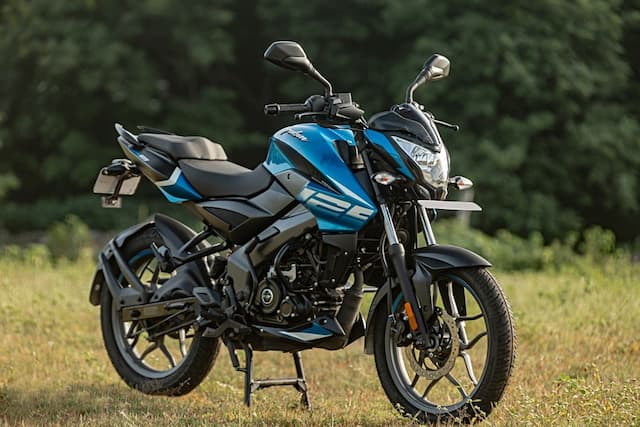
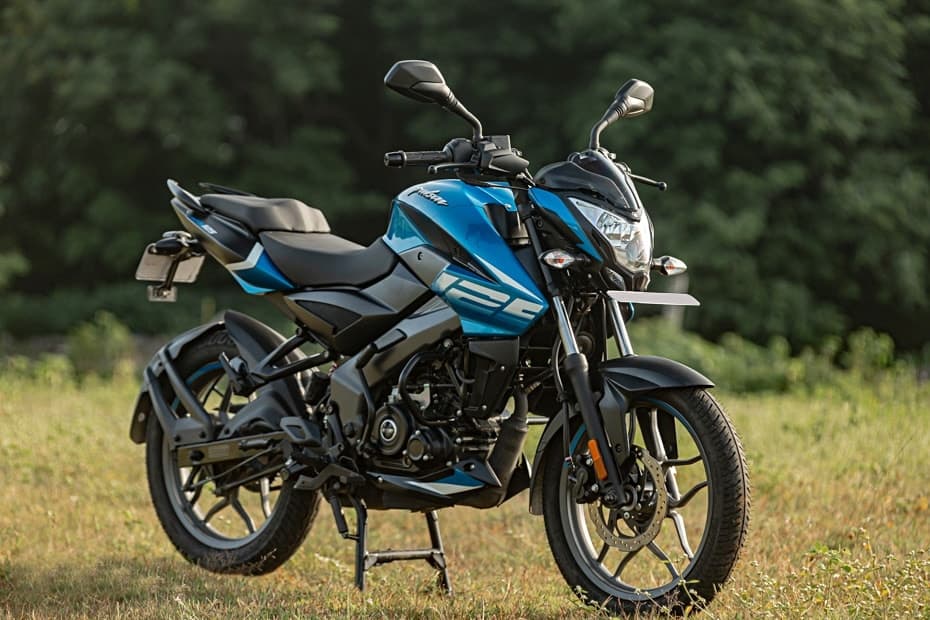
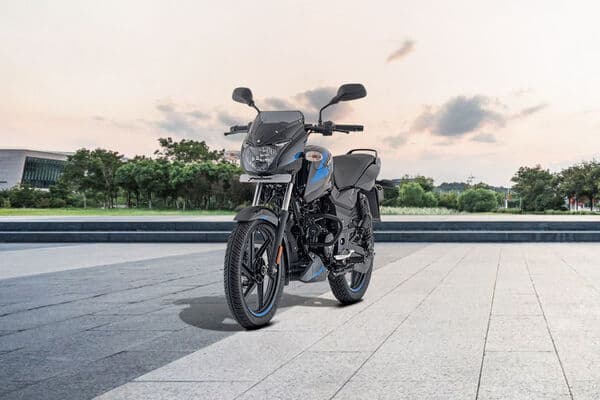
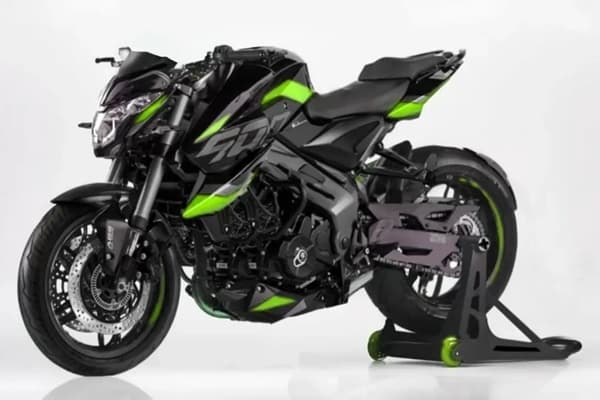
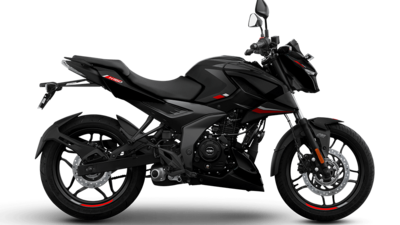
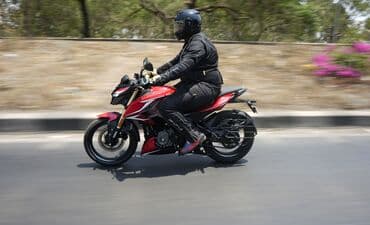
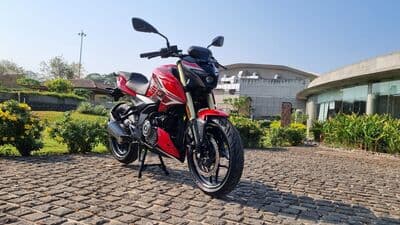
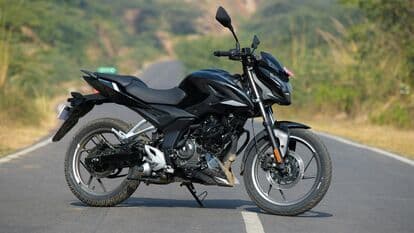
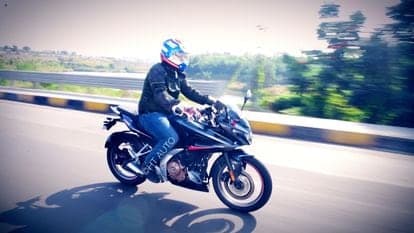
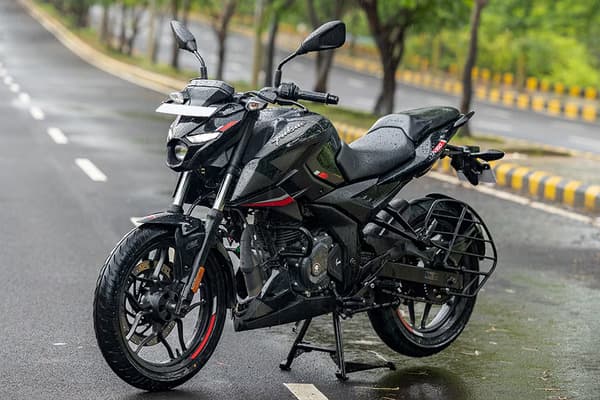
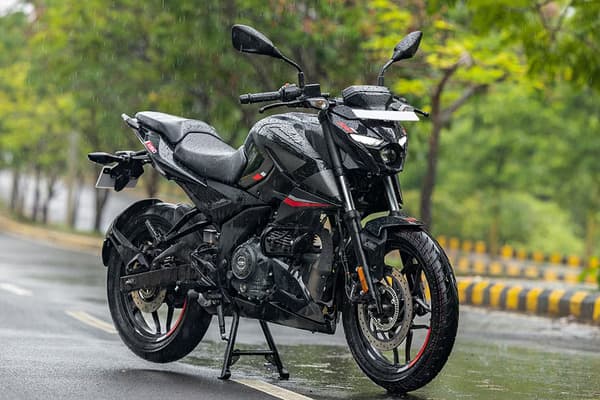
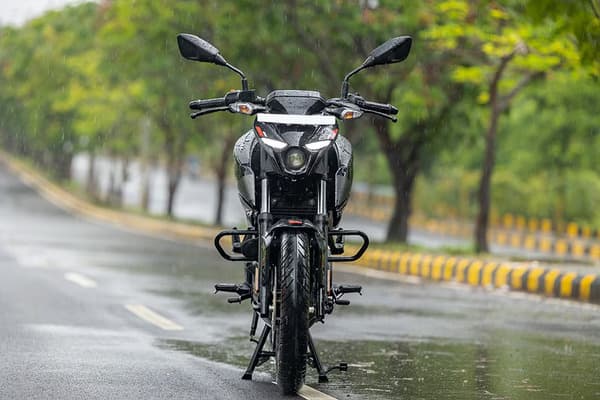
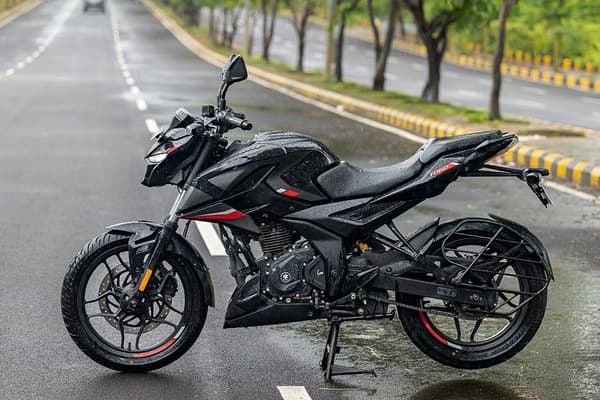
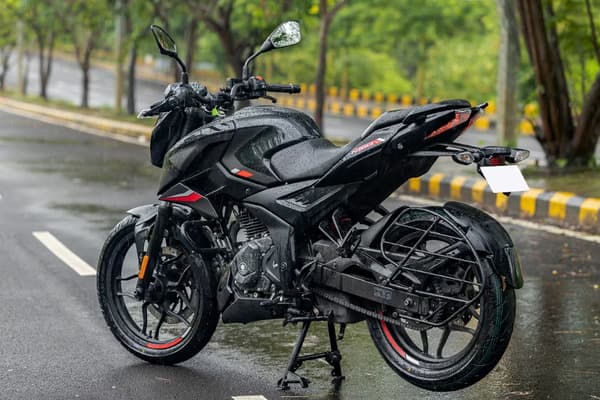
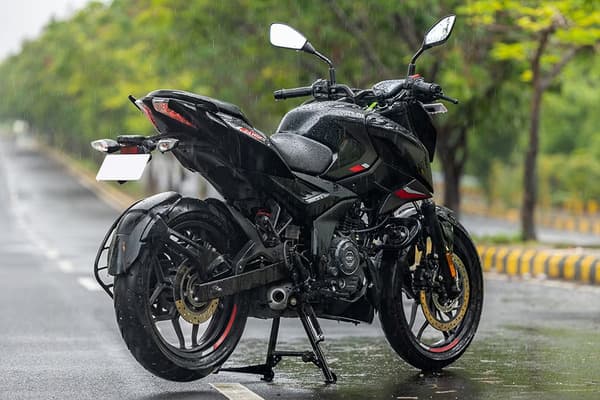
Visually, the Pulsar N160 projects a sharp streetfighter stance characterised by a signature bi-functional LED projector headlamp unit with slim LED DRLs, crisp body graphics, a sporty underbelly exhaust layout, and an athletic fuel tank profile.

The frame and hardware components are balanced for premium ride control:

  • Suspension System: High-spec variants receive gold-finished Upside-Down (USD) front forks that increase front-end rigidity and cornering feel, while lower configurations rely on traditional 37mm telescopic front forks. Rear suspension duties are managed across all variants by a Nitrox monoshock system.
  • Brakes and Safety: Backed by excellent stopping power via a large 300mm front disc brake and a 230mm rear disc brake, managed securely by a dual-channel ABS configuration as standard.
  • Tire Setup & Ergonomics: Features 17-inch lightweight alloy wheels wrapped in a wide tubeless tyre profile (100/80 front and 130/70 rear) for planted road grip. It offers an accessible 795mm saddle height, a nimble 152 kg kerb weight, and a healthy 165mm ground clearance.

Modern Digital Cockpit

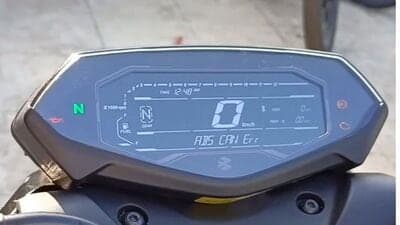
The premium variants boast an updated, fully digital LCD instrument console that features Bluetooth smartphone connectivity. By syncing with the dedicated mobile application, riders gain access to turn-by-turn navigation updates, incoming call and SMS notifications, a digital odometer, trip metrics, and real-world fuel tracking metrics. A conveniently placed USB charging port allows riders to easily juice up their devices on the go.

Advantages and Considerations of the Pulsar N160

Analysing the core pros and cons can assist prospective buyers in deciding if the Pulsar N160 matches their lifestyle and everyday commuting needs:

Advantages

  • Class-leading safety via standard dual-channel ABS along with adjustable ABS riding modes.
  • Inverted (USD) front forks on premium trims supply excellent handling control.
  • Distinctive, stealthy styling with a powerful bi-functional LED projector headlight setup.
  • Smooth power delivery with an energetic mid-range that handles city traffic with ease.
  • Commendable real-world fuel economy translates into minimal running costs.

Considerations

  • The 5-speed gearbox functions cleanly but misses out on a 6th highway overdrive gear found on select highway-oriented alternatives.
  • The rear split-seat setup features firm padding tailored for sporty riding, which may feel a bit tight for larger pillion passengers on extended journeys.
  • At 152 kg, it carries a slightly heavier weight footprint than a few of its minimalist, air-cooled 150cc commuter rivals.

Bajaj Pulsar N160 2026 FAQs

Is Pulsar N160 available with a single seat?

Yes, in 2026, Bajaj launched a specific variant that combines a single-piece seat with USD forks (priced at ₹1.24 Lakh) for those who find the split-seat setup uncomfortable for daily commuting with a pillion.

Does Pulsar N160 have Bluetooth connectivity?

Bluetooth connectivity is available on the top-spec USD variants. It allows you to pair your smartphone for turn-by-turn navigation and notification alerts on the digital console.

Which is better: Pulsar N160 or TVS Apache RTR 160 4V?

The Pulsar N160 offers superior braking safety with standard Dual-Channel ABS and better low-end refinement. The Apache RTR 160 4V is slightly more powerful at the top end and offers more riding modes.

What is the top speed of Pulsar N160?

The Pulsar N160 has a claimed top speed of 120 kmph. However, it is most comfortable cruising between 85–95 kmph.

Is it worth buying for long rides?

While primarily a city bike, the 2026 updates, like the USD forks and better-padded seats, make it capable of short weekend tours. For frequent long-distance touring, the larger Pulsar N250 or NS200 might be more suitable.

What are the Pulsar N160 colour options?

The bike is available in four primary colours: Brooklyn Black, Pearl Metallic White, Racing Red, and Polar Sky Blue.

Bajaj Pulsar N160 Key Specs

  • Engine iconEngine
    164.82 cc
  • Mileage iconMileage
    59.11 kmpl
  • Power iconPower
    16 ps
  • Speed iconSpeed
    120 kmph
  • MaxTorque iconMax Torque
    14.65 Nm
  • KerbWeight iconKerb Weight
    148 kg
View All Pulsar N160 SpecsView specs icon

Bajaj Pulsar N160 Videos

  • Full Videos

Bajaj Pulsar N160 Variants

Bajaj Pulsar N160 price starts at ₹ 1.16 Lakhs and goes up to ₹ 1.43 Lakhs (Ex-showroom). Bajaj Pulsar N160 comes in 6 variants. Bajaj Pulsar N160's top variant is SS.
6 Variants Available
164.82 cc
120 kmph
164.82 cc
120 kmph
164.82 cc
120 kmph
*Disclaimer: The prices are ex-showroom price for the respective model in the selected city.

Bajaj Pulsar N160 Latest Updates

Calendar icon17 Aug 2026
The Bajaj Pulsar N160 has undergone significant upgrades, including engine improvements, enhanced ergonomics, and new technology, making it a more well-rounded and appealing motorcycle for everyday use.Read Full Story
Calendar icon11 Aug 2026
Bajaj Auto introduces Pulsar N160 S and N160 SS, featuring upgraded engines, ride modes, and advanced technology.Read Full Story
Calendar icon7 Aug 2026
Bajaj Auto launches Pulsar N160 S and SS with new 165cc engine, Intelligent Throttle, and advanced rider assistance features.Read Full Story
Calendar icon13 Jul 2026
The story compares various motorcycles, highlighting their engines, features, and suitability for different rider preferences and performance needs.Read Full Story
Calendar icon4 Jun 2026
Union Ministers promote ethanol-blended fuel, highlighting E85's lower cost and cleaner energy benefits compared to E20.Read Full Story

Bajaj Pulsar N160 Visual Comparison

Choose a model from the dropdown below to visually compare its features with Pulsar N160.
Bajaj Pulsar N160
Hero Xtreme 160R 4V
VS
Bajaj Pulsar N160Select model
Hero Xtreme 160R 4VSelect model
Select a feature you want to compare:
Front View
Rear Tyre View
Front Left View
Rear Right View
Front Right View
Left View
Right View
plus iconView more
Swipe Left
Drag the handle left & right to view full image
Swipe Right
Preferred Banner

Bajaj Pulsar N160 comparison with similar Bikes

BIKEIMAGEEX-SHOWROOM PRICEUSER RATINGSENGINEPOWERTORQUEBODY TYPEKERB WEIGHTLENGTHFRONT BRAKEREAR BRAKEWHEEL TYPECOMPARISON
Bajaj Pulsar N160
Bajaj Pulsar N160 image
Rs. 1.16 LakhsOnwards
4.527
164.5 cc--Sports Bikes148 kg-DiscDiscAlloy
Honda Hornet 2.0Honda Hornet 2.0 imageRs. 1.45 LakhsOnwards
4.523
184.4 cc17.26 PS15.9 NmSports Bikes142 kg2034 mm-DiscAlloyPulsar N160VSHornet 2.0
Hero Xtreme 160R 4VHero Xtreme 160R 4V imageRs. 1.3 LakhsOnwards
4.6102
163.2 cc16.9 PS14.6 NmSports Bikes146 kg2029 mm-DiscAlloyPulsar N160VSXtreme 160R 4V
Bajaj Pulsar NS160Bajaj Pulsar NS160 imageRs. 1.2 LakhsOnwards
52
160 cc17.2 PS14.6 NmSports Bikes152 kg2017 mmDiscDiscAlloyPulsar N160VSPulsar NS160
Suzuki Gixxer SFSuzuki Gixxer SF imageRs. 1.35 LakhsOnwards
4.5106
155 cc13.6 PS13.8 NmSports Bikes148 kg2025 mmDiscDiscAlloyPulsar N160VSGixxer SF
Yamaha FZS FI V4Yamaha FZS FI V4 imageRs. 1.2 LakhsOnwards
4.4111
149 cc12.4 PS13.3 NmSports Bikes136 kg1990 mmDiscDiscAlloyPulsar N160VSFZS FI V4
Yamaha FZ Blue FlexYamaha FZ Blue Flex imageRs. 1.24 LakhsOnwards-149 cc11.7 PS12.8 NmSports Bikes139 kg2000 mmDiscDiscAlloyPulsar N160VSFZ Blue Flex

Bajaj Pulsar N160 Expert Review

3.5
Styling
3.5
Ride & Handling
3
Cost
3
Mileage

Pros

Good low-end tractabilityComfortable ergonomicsGood handling and braking

Cons

Laggy TFT screen

The Bajaj Pulsar has been one of the most recognisable names in Indian motorcycling for decades. However, as the competition evolved and some Pulsar models went without major updates for longer periods, the brand needed a new direction. That led to the N range, which began with the N250 and F250. While the 250 twins brought a new platform and design language, they did not quite make the impact Bajaj would have hoped for.

The existing N160 will continue to be sold alongside these new versions, so the question is what exactly Bajaj has changed and whether these updates make the new N160 a substantially better motorcycle.

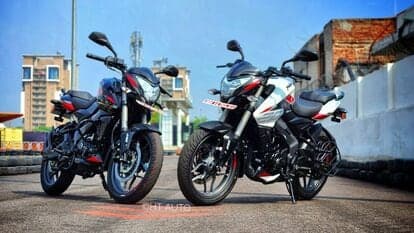
The motorcycle will be offered in three colour schemes.

What's new with the engine?

Unlike some manufacturers that simply add a 4-valve head to an existing engine, Bajaj has made more significant mechanical changes to the N160's powertrain.

The motorcycle now has a 164.5 cc unit instead of a 164.9 cc engine. The internals have been heavily revised, including changes to the bore and stroke, along with the addition of an oil cooler and a 4-valve head. The engine now produces 18.5 PS at 9,500 rpm and 14.4 Nm of peak torque at 8,000 rpm.

The 4-valve setup allows the engine to breathe better, particularly as the revs climb, and that is something that can be felt from the saddle. The engine revs cleanly towards the redline and continues to deliver power without feeling strained. It is smooth for the most part, with very little vibration through the motorcycle.

Despite the cubic capacity being very close, the four valve version comes with some heavy revisions to the engine.

However, as the revs rise, the rear-view mirrors start vibrating, which makes them difficult to use effectively. It is not a deal-breaker, but it is one of the few areas where the engine's refinement could be better.

The biggest highlight, however, is the engine's tractability. It will pull from speeds as low as 20 kmph in fifth gear, which is impressive for a motorcycle in this segment. The Crawl feature does help here, but the underlying flexibility of the engine deserves credit as well. In everyday riding, there is no need to constantly work the gearbox to keep the engine in its sweet spot. Simply roll on the throttle and the motorcycle builds speed smoothly.

The gearbox remains a 5-speed unit and is one of the highlights of the motorcycle. The shifts are slick and the clutch action is light. Whether it is a clutchless upshift or a rev-matched downshift, the gearbox responds cleanly. The clutch and gearbox combination is among the best in this segment.

The handlebar has been updated to provide a more comfortable riding triangle. It now sits 39 mm higher and 19 mm closer to the rider.

Bajaj has also added an electronic throttle body, effectively bringing ride-by-wire technology to the N160. The throttle response is smooth and progressive rather than jerky, while fuelling feels well calibrated. Throttle inputs are translated almost instantly into forward movement.

The electronic throttle also enables multiple riding modes. There are four modes: Rain, Road, Sport and Off-road. Road and Sport are the ones that make the biggest difference during normal riding, with a noticeable change in how the motorcycle responds to throttle inputs.

There is also a Tour mode, although this only changes the display theme rather than the way the motorcycle rides.

Riding position

When I first rode the N250 and F250, I found the F250 surprisingly more comfortable of the two. Its raised clip-on handlebars created a more relaxed riding position, while the N250 felt more committed.

The earlier N160, despite using a single-piece handlebar, also had a relatively committed riding position. That worked well for a more sporty character, but the reality is that most N160 owners will use the motorcycle primarily for commuting.

Bajaj says customer feedback played a role in the changes made to the new versions. The handlebar is now 39 mm higher and 19 mm closer to the rider. The seat has also been reprofiled, although the seat height remains unchanged.

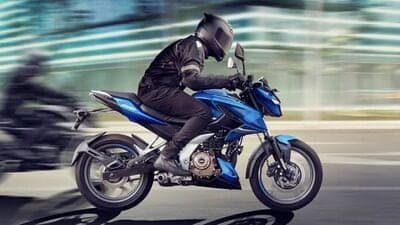
The result is a considerably more relaxed riding position. The rider sits more upright; there is less weight on the wrists and the motorcycle feels better suited to daily city riding. It is a small change on paper, but a significant one in everyday use.

Brakes

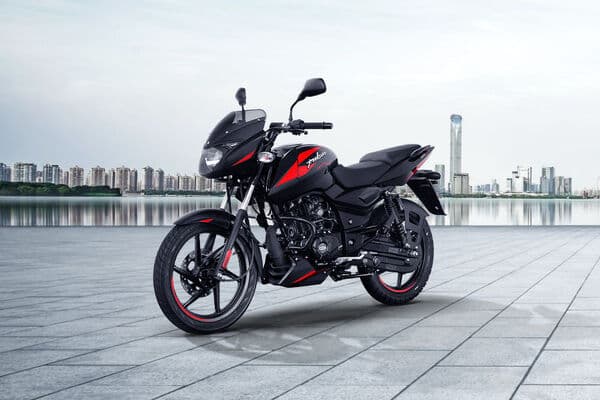
On the Brooklyn Black variant, the alloy is finished in red colour and it looks really nice.

The braking hardware has also been upgraded. The front brake now uses a 300 mm disc, compared with the 280 mm unit on the 2-valve version. The rear continues to use a 230 mm disc.

The braking performance is strong. There is good initial bite, the lever offers a reassuring feel and feedback is predictable. Bajaj has also done a good job with the ABS calibration. It remains unobtrusive during normal riding and only becomes noticeably intrusive under very hard braking.

For a motorcycle of this size and performance, the braking setup feels more than adequate.

Suspension

The front suspension has received a hardware upgrade as well. The new N160 gets thicker 37 mm front forks, compared with the 33 mm units on the 2-valve version. The rear monoshock remains unchanged.

The front end is slightly on the stiffer side, but it never becomes uncomfortable. The rear suspension feels comparatively softer, creating a good balance between ride comfort and control.

Since the introduction of the 250 twins, Bajaj's suspension tuning has become one of the stronger aspects of its motorcycles, and that progress is evident here too. The N160 handles broken city roads without feeling excessively harsh, while the suspension remains composed when the pace increases and the corners get faster.

It strikes a good balance between everyday comfort and weekend fun.

Features

The new TFT cluster looks nice but is very laggy which ruins the experience.

One of the biggest changes comes in the form of equipment. The new N160 gets a 5-inch TFT display, which is a notable addition for a motorcycle in this segment.

The screen looks good and displays a lot of information. There is Bluetooth connectivity and Google Maps navigation, similar to what is offered on motorcycles such as the Royal Enfield Himalayan.

However, the software experience needs work.

The biggest problem is the lag. There is a noticeable delay in some of the information displayed on the screen. For instance, after shifting gears, the display can continue showing the previous rev information instead of updating immediately.

It may sound like a small issue, but it quickly becomes irritating when riding. After a point, I simply stopped looking at the display. Until the software is improved, the older and simpler digital cluster would arguably be easier to live with.

Bajaj has also added switchable traction control. Whether a traction control system is essential on a 160 cc motorcycle is debatable, but having an additional safety net is certainly not a bad thing. The hope, of course, is that the system never needs to intervene.

The motorcycle also gets adjustable levers and a Type-C charging port, both of which are genuinely useful additions for everyday riding. Finally, a small but noteworthy upgrade is that the rear tyre is now a radial unit.

Verdict

The front fascia of the N160 SS is identical and it looks striking and modern.

The new Pulsar N160 S and N160 SS are much more than cosmetic updates to the existing motorcycle. Bajaj has made meaningful changes to the engine, added a 4-valve head, introduced ride-by-wire technology and riding modes, upgraded the front brakes and forks, and made the riding position significantly more comfortable.

More importantly, these changes work together rather than simply adding a longer equipment list. The engine is smooth, tractable and eager to rev, while the suspension and brakes give the motorcycle a level of confidence that makes it enjoyable both in the city and on a winding road.

The revised ergonomics are perhaps just as important as the mechanical changes. The N160 SS now feels better suited to the kind of riding most owners will actually do, without losing the sporty character that made the motorcycle appealing in the first place.

There is still room for improvement. The TFT looks impressive, but the software lag takes away from what should be one of the motorcycle's biggest highlights. The mirrors also become difficult to use once the engine is pushed higher into the rev range.

But these shortcomings do not overshadow the larger picture. The new N160 feels like a more complete motorcycle than before. It retains the practicality that made the original N160 successful while adding more performance, technology and comfort.

For buyers looking for a 160 cc motorcycle that can handle the daily commute without feeling boring, while still offering enough performance to have some fun with, the new Pulsar N160 makes a compelling case. It may not reinvent the segment, but Bajaj has addressed many of the areas that mattered and turned the N160 into a significantly more rounded package.

Bajaj Pulsar N160 Images

Bajaj Pulsar N160 Image 1
Bajaj Pulsar N160 Image 2
Bajaj Pulsar N160 Image 3
Bajaj Pulsar N160 Image 4
Bajaj Pulsar N160 Image 5
Bajaj Pulsar N160 Image 6

Bajaj Pulsar N160 Colours

Bajaj Pulsar N160 is available in the 12 Colours in India.

Brooklyn Black
Glossy Racing Red
Grey
Pearl Metalic White
Polar Sky Blue
Racing Red
Atlantic Blue
Brooklyn Black
Pearl Metallic White
Atlantic Blue
Black
Pearl White
Brooklyn black

Bajaj Pulsar N160 Alternatives

Bajaj Pulsar N160 User Reviews & Ratings

4.6Engine & Performance
4.7Features
4.3Safety
4.8Design
4.5Value For Money
4.3Comfort

Bajaj Pulsar N160 User Reviews & Ratings

What Users says
check circle icon

AI generated summary

Users appreciate the Bajaj Pulsar N160 for its stylish design, powerful performance, and good mileage, although there's a consensus on the need for improvement in pillion comfort and rear suspension.

What Got Better?

  • check circle iconStylish and aggressive design
  • check circle iconPowerful engine with good torque
  • check circle iconImpressive mileage (45-50 km/l)
  • check circle iconComfortable ride for daily commutes
  • check circle iconValue for money with premium features

What Could Have Been Better?

  • warning iconPillion comfort needs improvement
  • warning iconRear suspension could be better
  • warning iconKick start issues in rain
  • warning iconMaintenance costs can be high
  • warning iconLong rides may be slightly uncomfortable

User Reviews

Read all ReviewsRead Arrow
Download brochure widget pattern
Download bike brochure

Bajaj Pulsar N160 Brochure

Download brochure for:
  • Checkmark iconColours & Specs
  • Checkmark iconDetailed info on specs & features

Bajaj Pulsar N160 Specifications and Features

Max Power16 PS
Body TypeSports Bikes
Max Torque14.65 Nm
Mileage59.11 kmpl
TransmissionManual
Mobile ConnectivityNo
HeadlightLED
Engine164.82 cc
Max Speed120 kmph
Fuel TypePetrol

Popular Bajaj Bikes

  • Popular
  • Upcoming
View all  Bajaj Bikes