Your parked EV could stay cooler thanks to Tesla’s new patent

- Tesla has filed patents for new EV cooling systems featuring HVAC-integrated panoramic roofs and vacuum cabin cooling technology aimed at reducing heat buildup and improving efficiency.
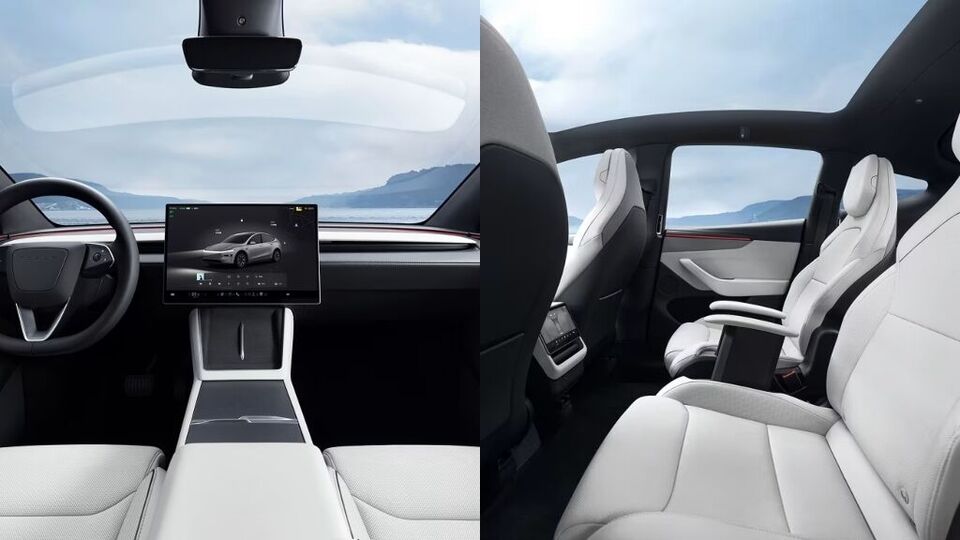


Most electric vehicles in the Indian market offer either a sunroof (be it dual or single-pane) or a panoramic glass roof, with the aim of creating a sense of openness and making the cabin feel more airy. However, when you are sitting in your car in the peak of Indian summers, this feature is more than likely to create the opposite effect, especially those without UV protection.






Tesla seems to have come up with a solution, having filed new patents in the US for improving cabin cooling in EVs, particularly those equipped with large panoramic glass roofs. The technology works to reduce heat buildup inside the cabin while simultaneously lowering the load on the air-conditioning system, which could ultimately help improve driving range in EVs.
Also check these Vehicles



A glass roof that can cool the cabin
One of the patents details a redesigned panoramic roof structure that integrates the HVAC system directly into the glass assembly. Unlike the typical tinted or electrochromic glass, Tesla’s design uses a layered construction featuring a perforated glass panel with a honeycomb-style internal structure fitted within the standard glass roof.
The setup is designed to diffuse cool air through the roof itself, distributing airflow more evenly across the cabin than just the AC vents on the dashboard. This would effectively minimise the greenhouse effect of conventional panoramic roofs.
The patent also suggests that this may function in colder climates as well, where hot air could also be circulated through the roof assembly, although the exact use case, cabin heating or thermal management, remains unclear.
Also Read : Ford’s latest patent could help parked cars escape incoming crashes
Vacuum cooling
A separate patent filing outlines a vacuum suction system designed to pull hot air out of the cabin. Tesla could potentially combine both systems, allowing vents to extract the trapped hot air from the cabin before mixing with cool air from the HVAC and recirculating it. Tesla claims this approach could reduce energy consumption by 7.4 per cent, which is crucial on hot summer days.
While the technology has not yet been confirmed for production models, the filings indicate Tesla is continuing to explore ways to improve efficiency beyond batteries and motors. Given the popularity of panoramic glass roofs across premium EVs, such systems could become relevant for manufacturers targeting markets with extreme weather conditions, such as India.
At present, Tesla has not disclosed any rollout timeline for these systems.
Check out Upcoming EV Cars in India, Upcoming EV Bikes in India.


Editor's Pick




Trending this Week