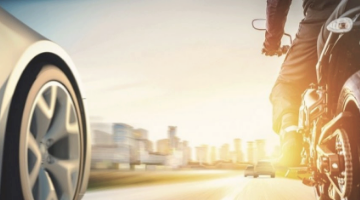
Delhi EV policy to possibly mandate 30% electrification of school buses by 2030

- Delhi’s proposed EV policy may mandate 30 per cent electric school buses by 2030 while offering tax exemptions and stricter EV adoption timelines.


The Delhi government is considering a proposal that would require 30 per cent of all school buses operating in the city to transition to electric power by March 31, 2030, according to a government document related to the upcoming electric vehicle policy.




The proposed policy is expected to be tabled during the upcoming budget session of the Delhi Assembly and outlines several measures aimed at accelerating electric vehicle adoption in the capital.
Also check these Vehicles




Phased electrification of school buses
Under the proposal, the Education Department will oversee the implementation of a school bus electrification programme across Delhi. The plan outlines a phased transition for the existing fleet.
Also Read : VECV appoints B Srinivas as MD & CEO; Vinod Aggarwal becomes new Chairman
The document states that two years after the notification of the policy, 10 per cent of the total school bus fleet must be electric. This share is expected to rise to 20 per cent within three years, before reaching 30 per cent by March 31, 2030.
The requirement will apply to all school buses operating in Delhi, including those owned by schools as well as vehicles that are leased or hired.
In addition to school transport, the policy also proposes the complete electrification of the Delhi government’s vehicle fleet after the policy comes into effect.
Registration restrictions planned for 2Ws and 3Ws
The policy draft also proposes restrictions on new registrations of certain internal combustion vehicles.
From January 1, 2027, only electric three-wheelers would be allowed to receive new registrations in the city. A similar rule is proposed for two-wheelers, with only electric models permitted for new registrations starting April 1, 2028.
Tax exemptions for EVs below ₹30 lakh
To support the transition, the policy proposes financial incentives for electric vehicles. All EVs registered in Delhi could receive a 100 per cent exemption from road tax and registration fees until March 31, 2030.
However, electric cars with an ex-factory price above ₹30 lakh would not be eligible for this exemption. The measure is expected to lower the upfront purchase cost for several mass-market electric cars.
Also Read : Mercedes-Benz VLE electric van unveiled with 700 km range
Battery recycling framework
The policy also addresses the issue of battery waste management. The Delhi Pollution Control Committee (DPCC) will be responsible for facilitating the establishment of battery collection centres across the city.
These centres are expected to be set up under a public-private partnership model in collaboration with authorised recyclers and other eligible entities to enable convenient collection of used EV batteries.
The DPCC may also issue standard operating procedures for equipment manufacturers to ensure safe collection, storage, transportation and transfer of waste batteries to authorised recyclers in accordance with existing waste management regulations.
Get insights into Upcoming Cars In India, Electric Vehicles, Upcoming Bikes in India and cutting-edge technology transforming the automotive landscape.

Editor's Pick




Trending this Week