Afeela collapses as Honda backs out of its partnership with Sony

The Sony-Honda joint venture has collapsed, canceling the Afeela EV due to Honda’s strategic shift and high costs. Sony’s entertainment-led approach failed as manufacturing halted, reflecting Japan's broader electric struggle.
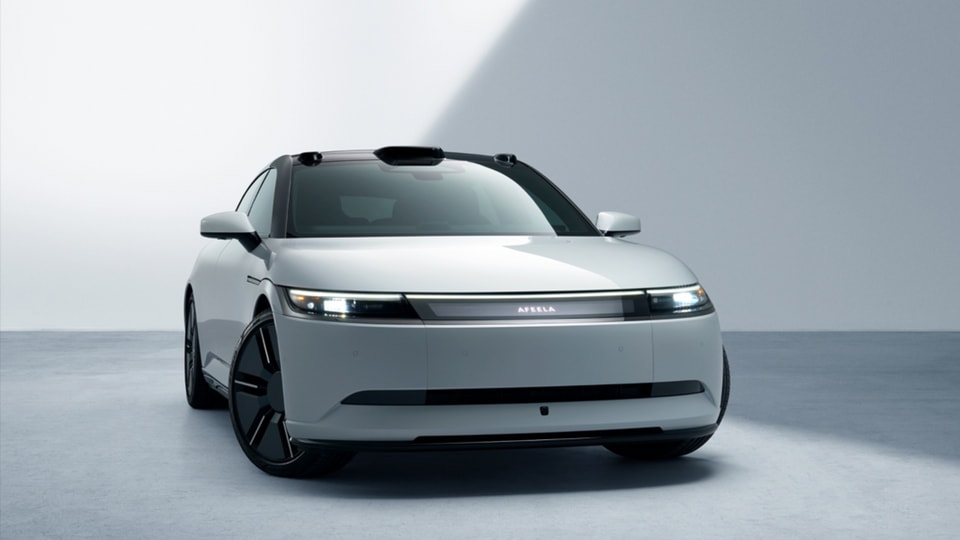


The joint venture between Japanese giants Sony and Honda has collapsed, marking a setback for Japan’s aspirations in the global electric vehicle (EV) market. Both Sony and Honda Mobility announced the discontinuation of their debut model, the Afeela 1, along with a second vehicle planned for a 2028 launch. This comes on the back of the strategic overhaul Honda took in its EV plans.






Lacking infrastructure leads to strategy being undone
The collapse of the project has been attributed to the announcement Honda made recently about tanking its EV projects. The Japanese automaker was facing a write-down of approximately $15.7 billion, which led to the company withdrawing its ‘e:Architecture’ platform, which was expected to be the underpinnings of the 0 Series as well as the Afeela.
Also check these Cars


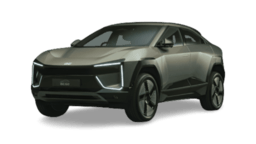

Sony chose to avoid massive capital expenditure by keeping its approach asset-light rather than building its own automotive factories. Rather, Sony chose to focus on CMOS sensors, Unreal Engine-based user interfaces and PlayStation integration. While the strategy was to turn the vehicle into an entertainment platform on wheels, the entire manufacturing dependence was on Honda. Honda rolled back its EV plans under the pressure of US tariffs and the removal of federal EV tax credits, which meant Sony had the entertainment platform but without wheels.
Economic Reality and Pressures
The Afeela prototype drew praise at trade shows for bridging the gap between automotive engineering and consumer electronics. It was priced at $89,000 in a market reeling from cost-of-living concerns, along with slowing global demand for premium electric vehicles.
In addition to that, the comparisons to the Chinese tech giant Xiaomi increase the difficulty in the venture’s position. Xiaomi successfully launched a software-heavy EV ecosystem and did so by handling production in-house while it benefited from more favourable domestic economics. In contrast, Japanese automakers continue to struggle against the price competitiveness of Tesla and Chinese leaders like BYD.
Also Read: Mercedes-Maybach portfolio expansion on the cards with new VLLS-based luxury MPV
Future Uncertainty
The collapse of the Afeela project reflects struggles within the Japanese automotive industry to establish a foothold in the battery electric vehicle (BEV) segment.
Honda faces a potential deficit for the 2025 fiscal year, which would be its first in nearly seven decades. Reservation holders for the Afeela 1 will receive full refunds as Sony and Honda discuss whether the venture will pivot toward technology licensing or wind down entirely.
Check out Upcoming EV Cars in India.


Editor's Pick




Trending this Week