2026 Formula 1 rules overhaul: Key concepts that could reshape the season

- Formula 1’s 2026 rules bring smaller cars, more electric power, new overtaking systems and fresh technical debates ahead of the season-opening Australian Grand Prix.
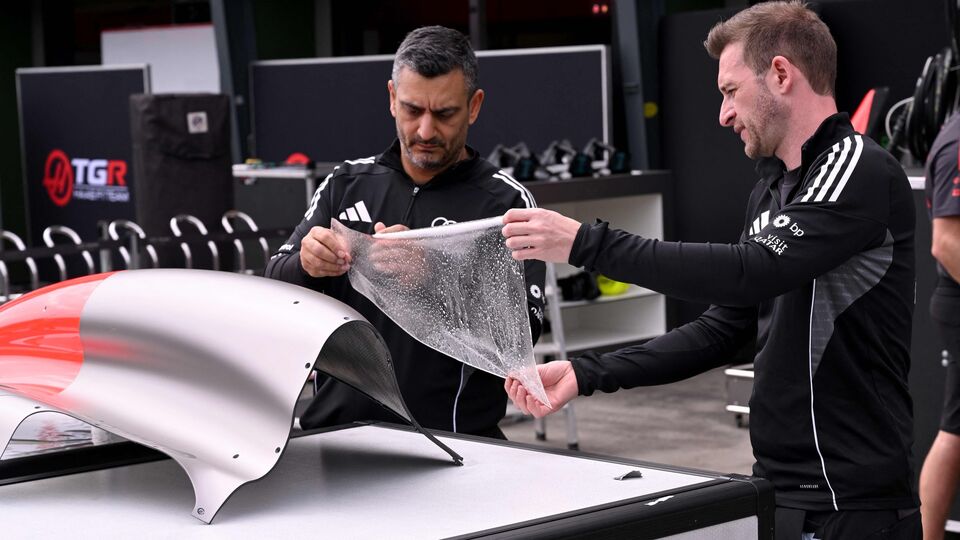


Formula 1 is preparing for a major technical reset in 2026, with cars becoming lighter, smaller and more reliant on electrical power. The sweeping regulation changes will force teams and drivers to adapt to new engineering solutions, energy strategies and driving styles.






As the season begins with the Australian Grand Prix, several technical ideas and tactics could play a key role in shaping performance and the overall racing spectacle.
Compression ratio debate
One of the first talking points of the new engine era centres on the compression ratio, which measures how tightly the engine compresses the air-fuel mixture before ignition.
Also check these Vehicles



The regulations cap this ratio at 16:1, with tests originally carried out at ambient temperature. Rival teams have suggested Mercedes may have designed components that behave differently once the engine heats up, potentially allowing a higher ratio under real running conditions. Mercedes has rejected those claims, saying its engine complies fully with the rules.
Also Read : Liam Lawson resets for 2026 but says new F1 cars limit aggression
After concerns were raised during testing, the Fédération Internationale de l'Automobile confirmed that additional checks at operating temperature will be introduced from June 1, with the first race affected expected to be the Monaco Grand Prix.
Overtake mode replaces DRS
The familiar Drag Reduction System (DRS), used in Formula 1 for 15 years, has been removed under the new rules.
Instead, cars will rely on active aerodynamics and stronger hybrid deployment to aid overtaking. Some teams have already experimented with eye-catching solutions. Ferrari, for instance, has introduced a wing concept that rotates on straights to reduce drag and improve top speed.
Alongside this, drivers can activate “overtake mode", which temporarily releases maximum electrical power from the battery when running close to another car.
Initial feedback from testing suggests the system may need refinement, with some drivers noting that heavy battery usage can make it difficult to defend positions afterwards.
Lift and coast strategy
Energy management is expected to become a bigger part of racing strategy in 2026. One technique drivers may use more often is “lift and coast", where they ease off the throttle before braking zones. This allows the car to harvest additional electrical energy that can later be used for acceleration or overtaking.
However, the FIA has indicated it will monitor the situation closely. Officials have said they want strategy to remain part of the sport without races becoming dominated by energy conservation.
Also Read : FIA says ‘Safety First’ as Middle East conflict clouds Formula 1 calendar
Sandbagging in testing
Preseason testing rarely provides a clear picture of the competitive order, partly because teams often disguise their true performance.
This tactic, known as sandbagging, allows teams to avoid drawing attention or prompting rivals to question their innovations.
When the hybrid engine era began in 2014, Mercedes developed a highly competitive power unit but rarely used its full capability early on. Former executive director Paddy Lowe later explained that the team often ran reduced engine settings before increasing power only when necessary.
The strategy helped Mercedes maintain its advantage while avoiding unnecessary scrutiny.
The dirty air challenge
“Dirty air" or turbulence created behind a car remains one of the biggest challenges in Formula One.
For drivers, this turbulence reduces grip through corners, making it harder to follow another car closely. For fans, it can lead to races with fewer overtaking opportunities.
To address the issue, the FIA has targeted outwash front wings, which push airflow outward and increase turbulence behind the car.
Yet experience suggests engineers often find creative ways around aerodynamic restrictions. How quickly teams adapt could influence both the competitiveness and entertainment value of the 2026 season.
Get insights into Upcoming Cars In India, Electric Vehicles, Upcoming Bikes in India and cutting-edge technology transforming the automotive landscape.

Editor's Pick



Trending this Week