Bajaj Dominar 400 review: Has the sports tourer lost its edge?
- Feels stable and planted
- Muscular design
- Comfortable riding triangle
- Vibey throughout the rev-range
- Heavy steering
- Brakes lack bite

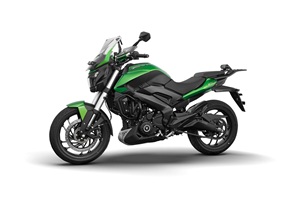
- The updated Bajaj Dominar 400 features a new 349.13 cc engine, ride-by-wire technology, and four riding modes. While it excels in long-distance comfort and comes equipped with modern features, persistent vibrations, heavy steering, and underwhelming braking undermine the overall riding experience.


The Bajaj Dominar 400 has long occupied a unique space in the Indian motorcycle market. Positioned as an affordable sports tourer, it promised big-bike presence, long-distance comfort and enough performance to keep enthusiasts interested. Over the years, it built a reputation as a capable highway companion and became a popular choice among riders looking to tour without spending superbike money.
Now, Bajaj has given the motorcycle one of its most significant updates yet. The old 373 cc engine has been replaced by a new 349.13 cc unit, while the electronics package has been upgraded with Ride-by-wire technology, traction control and multiple riding modes. Alongside these changes, the Dominar also gets a host of touring accessories straight from the factory.
Also check these Bikes

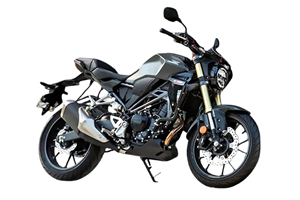
On paper, it sounds like a recipe for a more polished and capable motorcycle. But does the riding experience live up to the specification sheet?
Design And Features
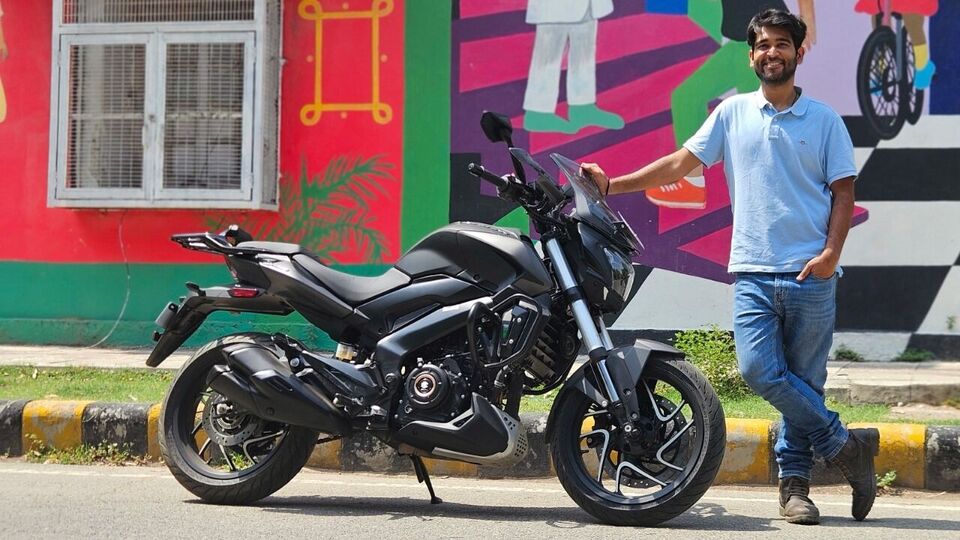
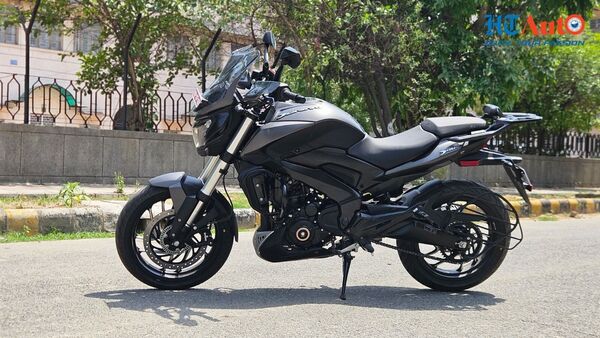
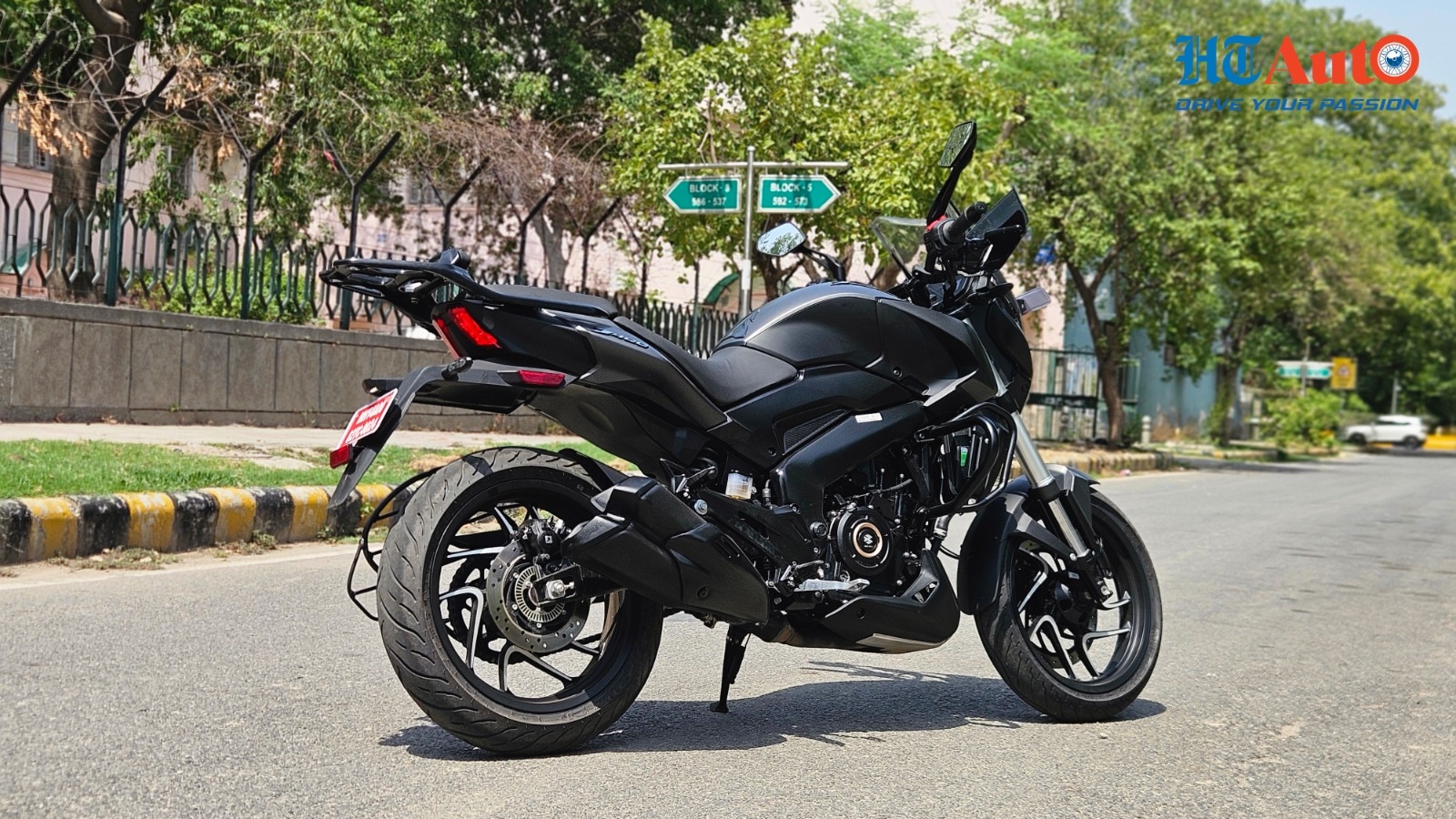
The Dominar remains a handsome motorcycle. Its muscular fuel tank, broad stance and substantial proportions continue to give it strong road presence. Unlike many motorcycles that begin to look dated after a few years, the Dominar's design has aged remarkably well. It still looks purposeful and imposing, particularly with the factory-fitted touring accessories.
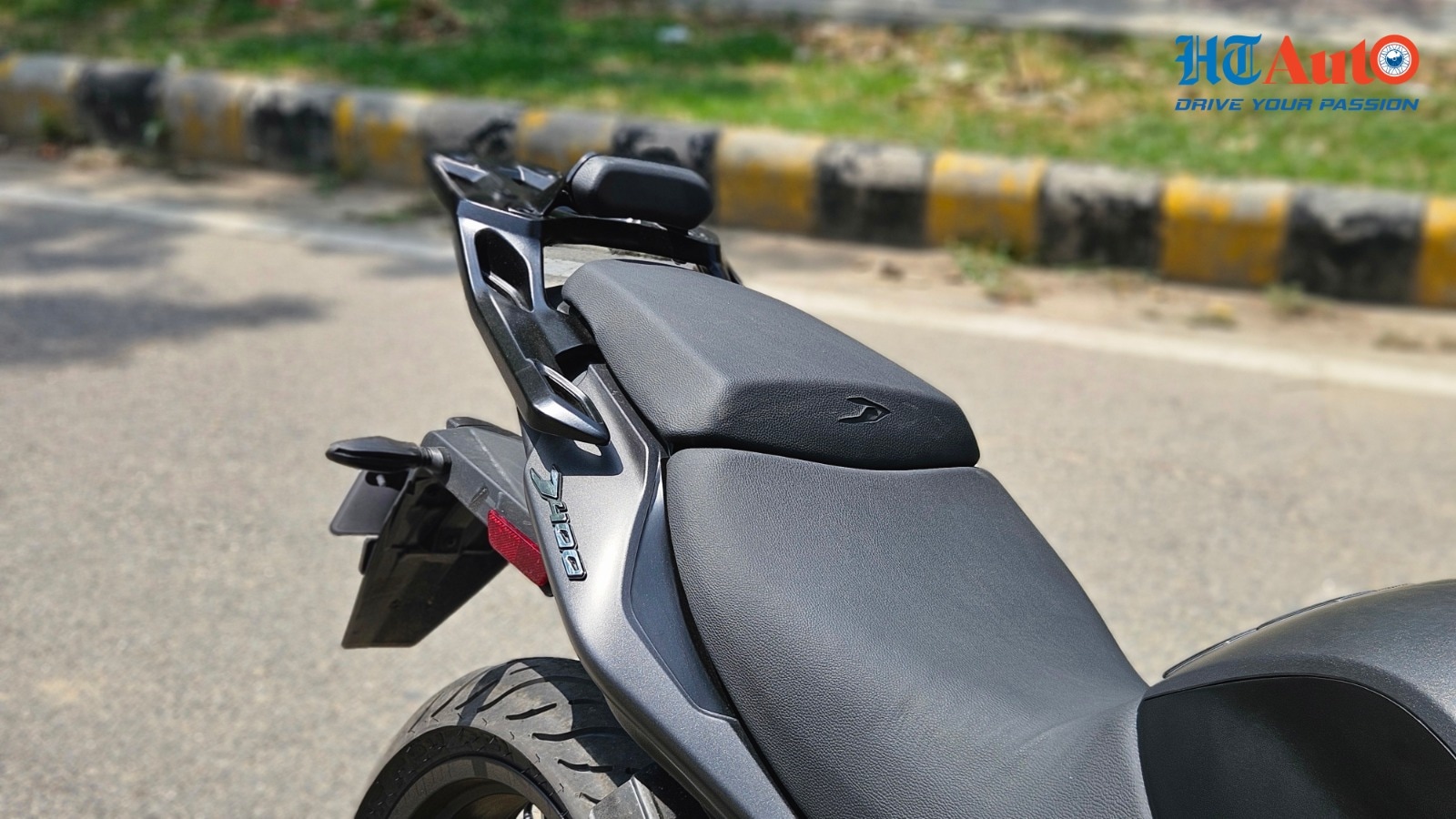
These include a tall windscreen, knuckle guards, luggage carrier, navigation stay and USB charging port. For riders who enjoy long-distance touring, these additions certainly improve practicality and save the expense of adding aftermarket accessories later.
The motorcycle also has a glass colour LCD instrument cluster that supports Bluetooth connectivity and turn-by-turn navigation. The display is crisp and easy to read.
The seat deserves special mention. It is wide, spacious and extremely comfortable. Whether you're spending an hour in the saddle or an entire day, the Dominar continues to offer one of the most accommodating seating setups in the segment. Pillion seat is also quite generous.
However, I wasn't entirely convinced by the knuckle guards. Unlike proper handguards, they do not feature a metal spine. They function primarily as wind deflectors and in the event of a fall, they are unlikely to offer much protection.
Engine and performance
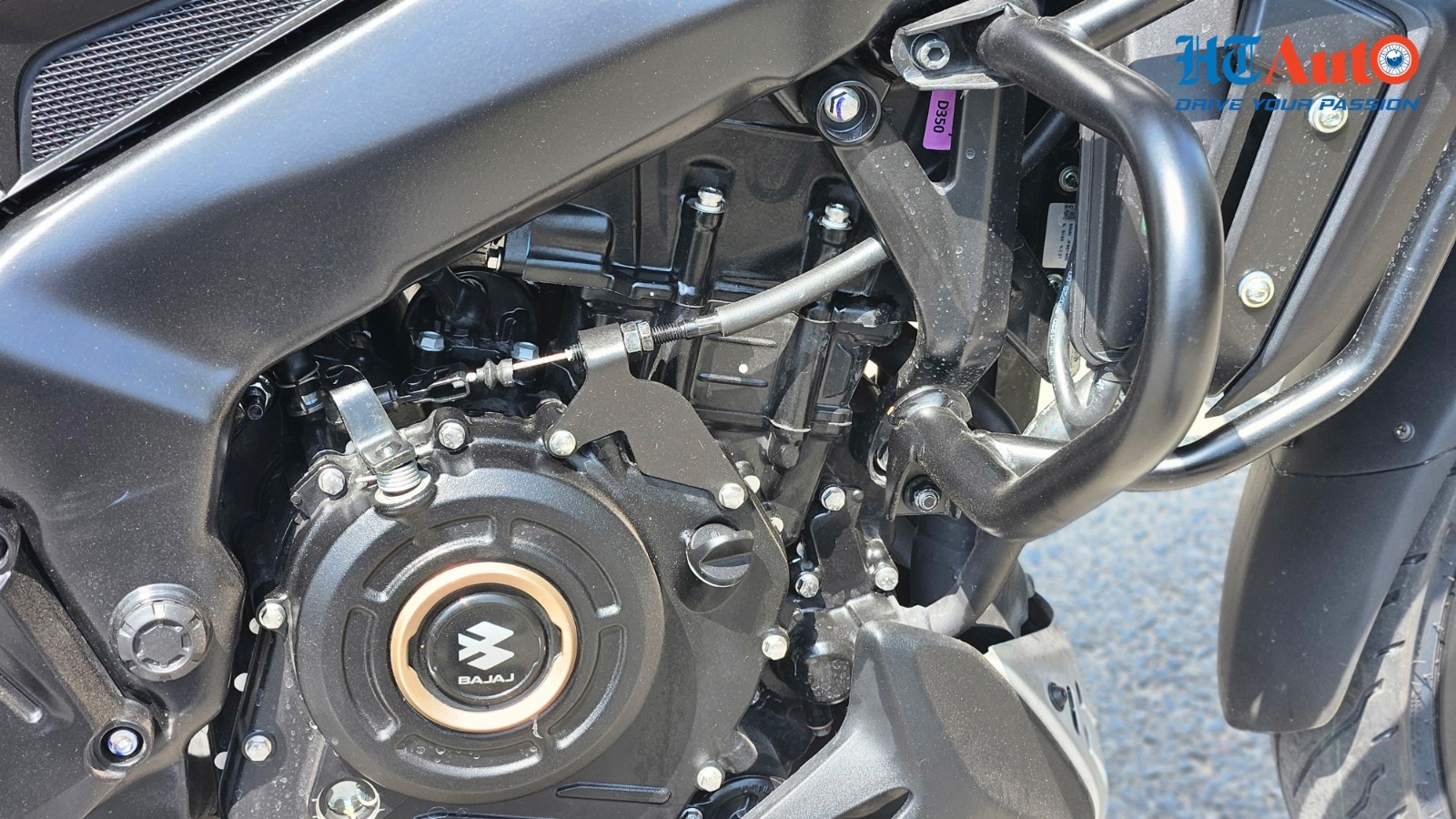
The biggest update lies beneath the fuel tank. The Dominar now uses the same 349.13 cc liquid-cooled single-cylinder engine as the Pulsar NS400Z. The engine features a 4 mm shorter stroke than the outgoing 373 cc motor while retaining its high compression ratio. Bajaj has also revised the balancer system, and there is also ride-by-wire technology along with four riding modes: Road, Rain, Sport and Off-Road.
The engine produces 40.6 PS and 33.2 Nm, figures that are nearly identical to what enthusiasts have come to expect from the Dominar.
There is no denying that this is an entertaining engine when ridden hard.
The motor enjoys being revved and feels most alive in the upper half of the rev range. Riders who enjoy stretching gears and chasing the redline will appreciate the character on offer here. Sport mode further sharpens the experience. While the difference between Road and Sport modes isn't dramatic, it is noticeable. Throttle response becomes crisper and the engine feels more eager to respond to rider inputs.
The problem is that everyday rideability isn't quite as impressive.
At lower revs, the engine feels surprisingly docile. There isn't a great deal of urgency available immediately off idle and you'll often find yourself working the gearbox to keep the motor in its sweet spot, especially while navigating city traffic.
Then comes the biggest issue: refinement.
Despite the revised balancer and engineering changes, vibrations are impossible to ignore. They are present through the handlebars, footpegs and fuel tank. More disappointingly, they remain noticeable even at highway speeds. Cruising at around 100 kmph introduces a constant buzz through the controls and over time, it becomes tiring.
For a motorcycle that has built its reputation around long-distance touring, this is a significant drawback. A sports tourer should feel relaxed and effortless at highway speeds. The Dominar never quite achieves that level of refinement.
Ride and handling
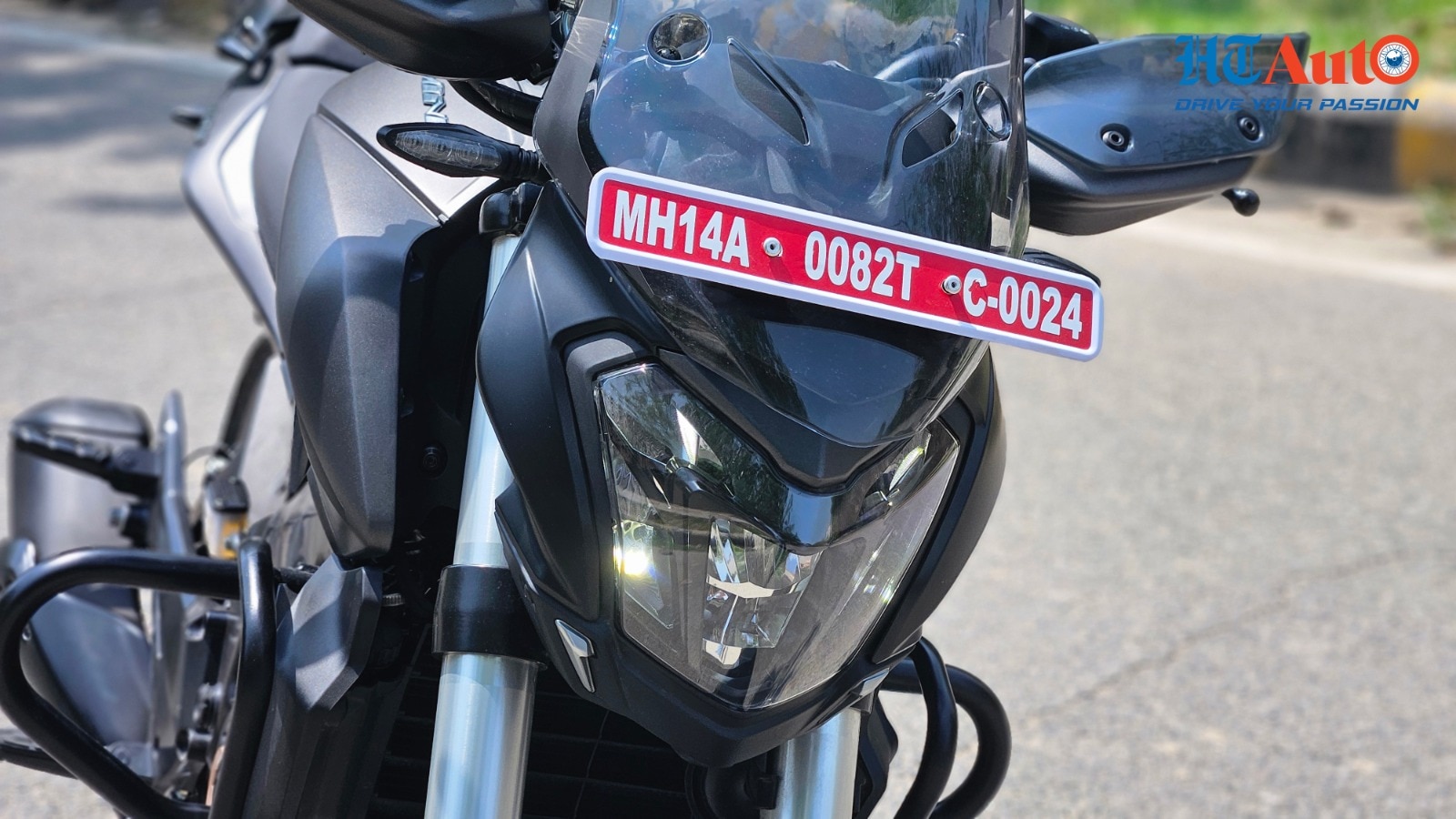
The Dominar continues to be a large and substantial motorcycle.
At 190 kg, it outweighs many of its rivals and that weight is noticeable from the moment you start riding. The steering feels heavy and requires more effort than expected, particularly at lower speeds and during quick directional changes.
When the road starts getting twisty, the Dominar feels stable rather than agile. It takes effort to tip into corners and doesn't naturally encourage spirited riding. Once leaned over, it remains predictable and composed, but the motorcycle never feels eager to attack corners.
Compared to lighter motorcycles such as the NS400Z, the Dominar feels noticeably more reluctant to change direction.
The upside is stability. Riders who spend most of their time covering highway miles will appreciate the planted nature of the chassis.
Braking performance
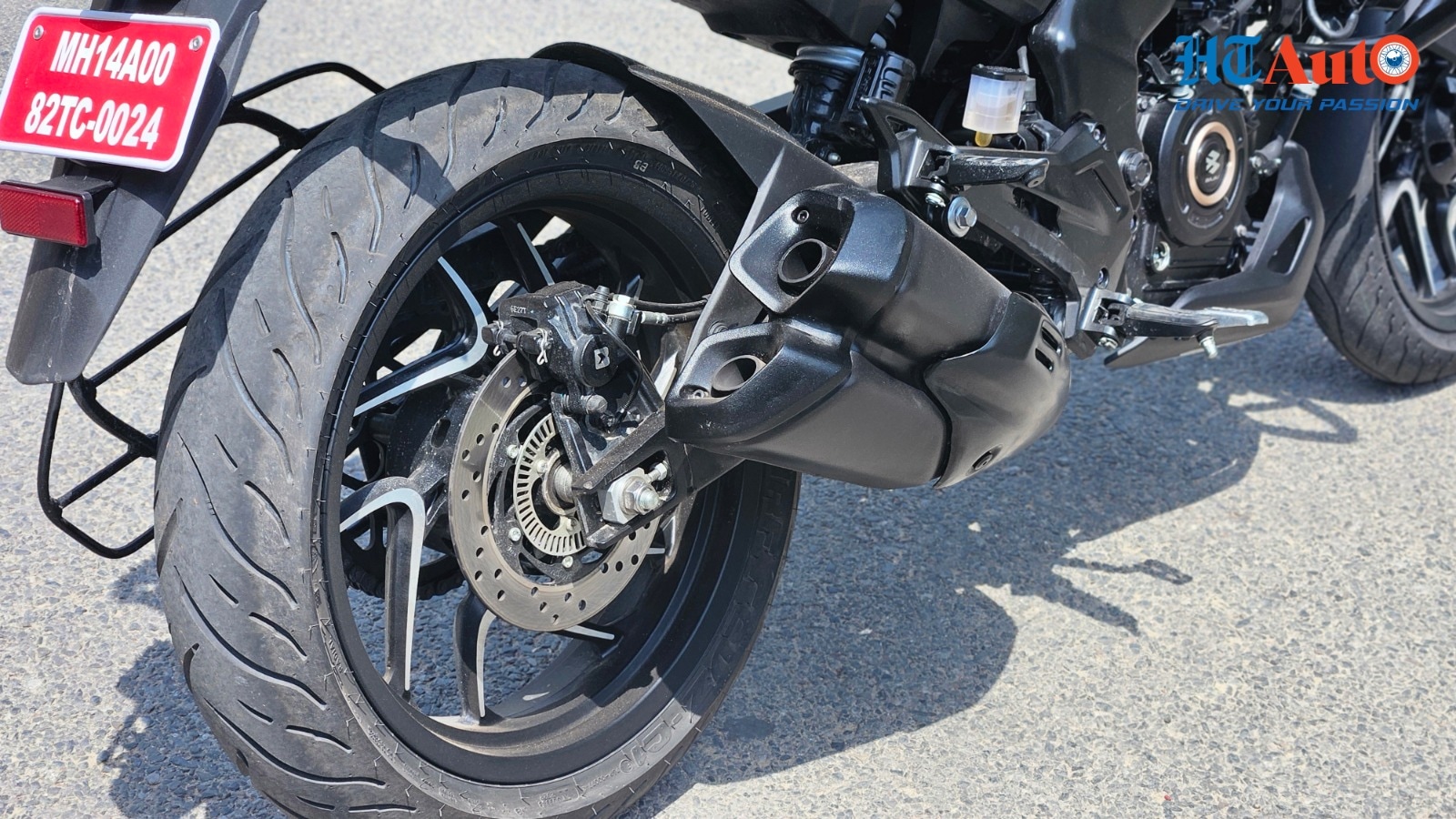
The braking setup consists of a 320 mm front disc and a 230 mm rear disc with dual-channel ABS. Unfortunately, braking performance proved to be one of the weaker aspects of the motorcycle.
The brakes simply lack the bite and stopping power expected from a machine weighing 190 kg and producing over 40 PS. Hard stops require more lever effort than they should, and the overall braking experience never inspires confidence.
For a motorcycle designed with touring in mind, stronger brakes would have significantly improved the riding experience considering that the rider would be doing highway speeds.
Features
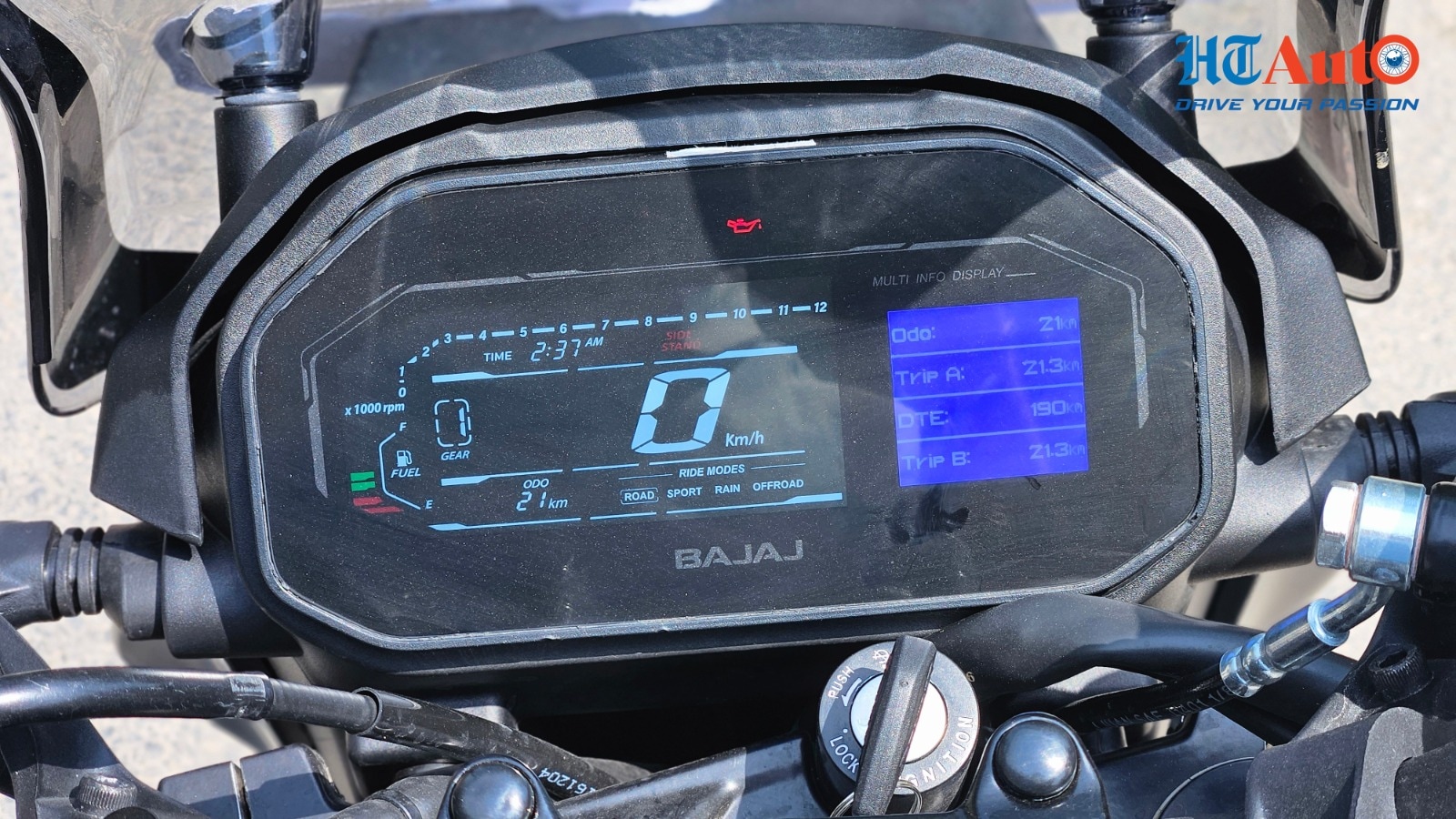
Where the Dominar scores highly is equipment. The motorcycle comes equipped with ride-by-wire technology, four riding modes, traction control, Bluetooth connectivity, turn-by-turn navigation and an LCD display. The touring accessories package further enhances practicality for riders who frequently travel long distances.
From a features perspective, Bajaj has done a commendable job of modernising the Dominar and keeping it relevant.
Verdict
There is a lot to like about the updated Dominar 400.
It still looks fantastic. The seat remains one of the most comfortable in the segment. The touring accessories are genuinely useful and the engine can be entertaining when pushed hard, especially in Sport mode.
However, the overall riding experience left me wanting more.
The persistent vibrations, heavy steering, underwhelming braking performance and lack of low-end urgency take away from what should be the motorcycle's strongest attributes. More importantly, the vibrations directly impact highway comfort, an area where the Dominar should ideally excel.
What makes this particularly surprising is that the same 349 cc engine feels significantly smoother and more enjoyable in the Pulsar NS400Z. Here, despite the technical revisions and updated electronics, the package never feels as polished as it should.
The Dominar 400 still has the ingredients of a capable sports tourer, but this update doesn't quite deliver the transformation I was hoping for. For me, that makes it one of the more disappointing motorcycles I've ridden recently, not because it's bad, but because it had the potential to be much better.


Editor's Pick

Trending this Week