Hero Xtreme 160R 4V review: A sharper contender for the Pulsar and Apache?

- Sharp styling
- Comfortable seat and riding posture
- Bright, easy-to-read TFT display
- Light clutch
- Useful adjustable levers and USB Type-C charging
- Aggressive response in Sport mode
- Standard variant misses ride-by-wire and dual-channel ABS
- No slipper clutch
- No map mirroring

- The latest Xtreme 160R 4V looks ready to take on rivals, but riding it reveals more than its styling suggests.
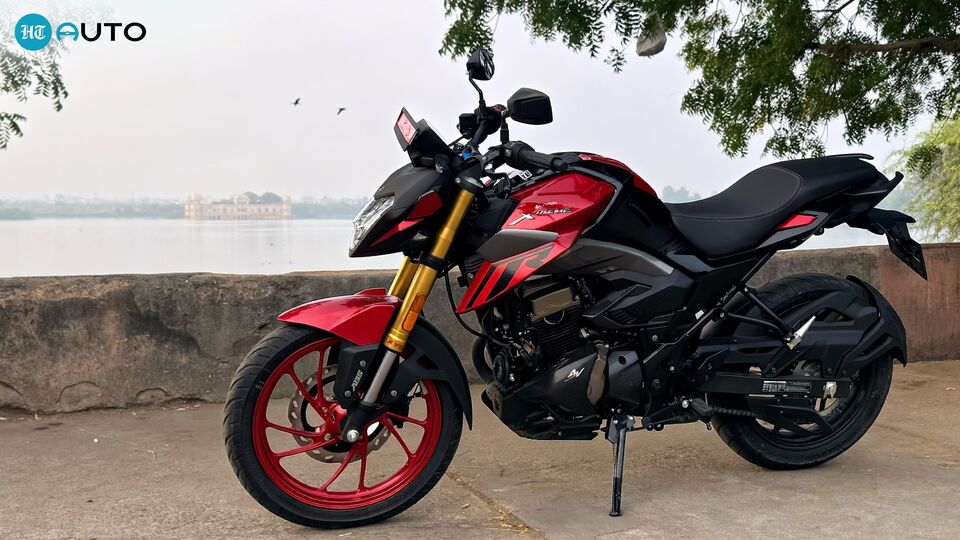


The 160cc streetfighter segment has some established names, and Hero MotoCorp has had the Xtreme 160R 4V in this mix since 2023. Its rivals, the Bajaj Pulsar NS160 and TVS Apache RTR 160 4V, have kept it in check by consistently bringing technology and sportiness to the table. The Xtreme 160R has too had its share of updates, including the Combat Edition, which brought ride-by-wire, riding modes and cruise control to the package.
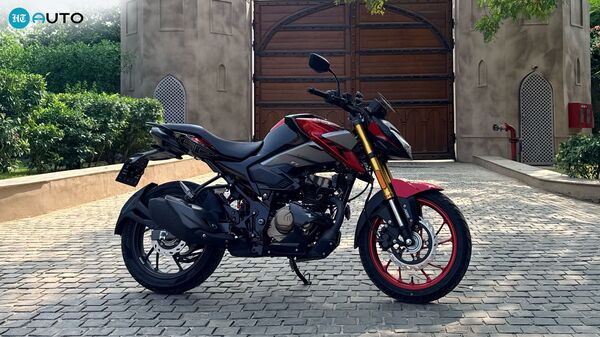
For its latest update, Hero has taken a few more cues from the larger Xtreme 250R. The Xtreme 160R 4V now gets sharper bodywork, revised engine output and, in the top-spec Carbon trim, a new TFT display. The changes give it more visual presence, but a motorcycle is more than how it just looks parked outside an office.
Also check these Bikes



Having ridden the updated motorcycle, there is plenty to appreciate. However, a few decisions around the equipment and throttle response keep it from being as well-rounded as it could have been.
Design: A mini Xtreme 250R
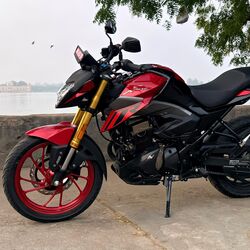
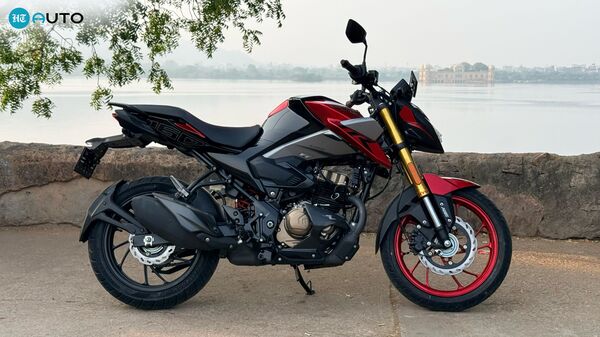
The biggest change is immediately apparent. The Xtreme 160R 4V now looks like a younger sibling of the Xtreme 250R, and that is a good thing. It now looks eye to eye with rivals in terms of styling. The updated fascia gets LED daytime running lights and a projector headlamp with a design similar to that of its elder sibling.
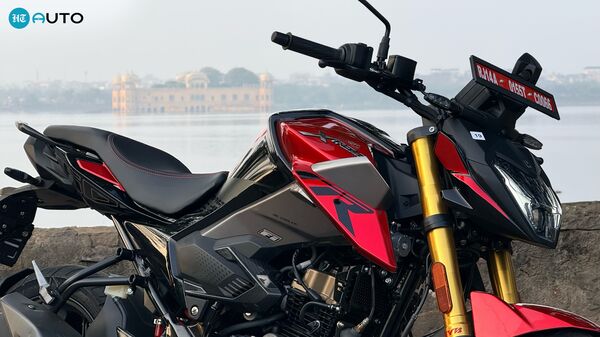
The rest of the bodywork follows the same theme. The fuel tank is more sculpted, with sharper lines that improve its visual appeal and provide a better knee-grip surface. The tail section has been tightened up as well, making the rear look sleeker than before.
The colour choices are mostly on point, too. The reds, blacks and greys have a premium finish and avoid looking tacky. The new orange shade comes close to crossing that line, but it still has enough character to appeal to buyers who prefer something louder.
The top-spec ‘Carbon’ variant adds panels with a carbon-fibre-like finish, which further improve the motorcycle's sporty aesthetic.
Features
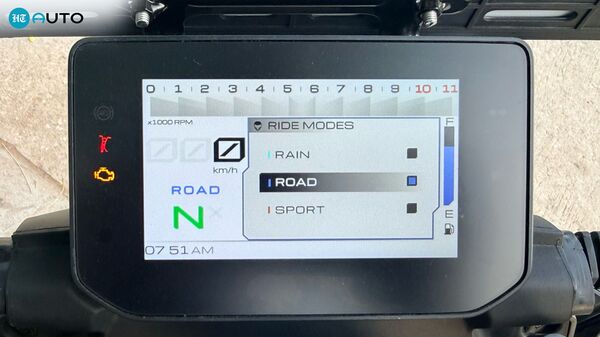
The new 4.2-inch TFT display is one of the more significant additions, although it is available only on the Carbon variant. This new screen is bright enough to read in daylight, and the information is laid out clearly too. There is a slight learning curve to operate the menus and riding mode selection, but it does not take long to get used to the interface. The lower variants come with just an LCD instrument console.
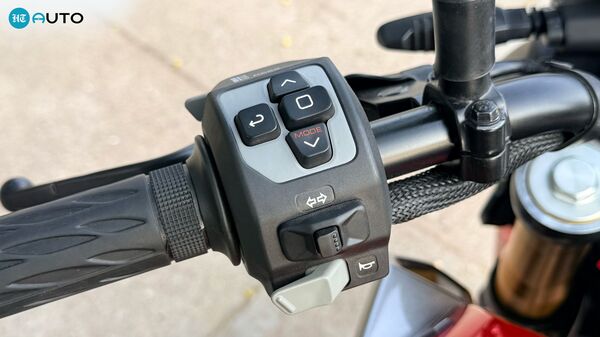
The switchgear used to operate this screen and other functions of the motorcycle is placed within easy reach of the thumbs, although some buttons feel a little mushy when used with gloves. Better button travel would have definitely added to an improved experience.
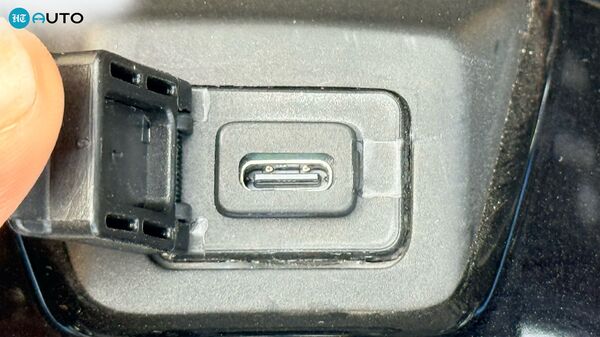
Hero has also added some nice and practical touches such as the adjustable brake and clutch levers and a USB Type-C charging port. Now, while these don't sound like big changes, they make sense on a motorcycle that will mostly spend its time in city traffic. Even for the highway rides, the bike maker has added cruise control functionality now.
There are still a few omissions. Navigation is limited to turn-by-turn directions rather than map mirroring, and there is no slipper clutch. These are features available on some of the rivals. The motorcycle also gets three riding modes, which I'm happy to see, but the bigger concern is how those modes have been calibrated.
Ride and handling
The Xtreme 160R 4V strikes a good balance between being a daily commuter and a motorcycle that can be enjoyed when the road opens up. The seat supports you well, even on longer rides. I rode it for over 3 hours in the city, on the highway and on the ghat sections as well, and it did not tire me out much. The overall riding position does not leave you feeling exhausted after spending time in the saddle.
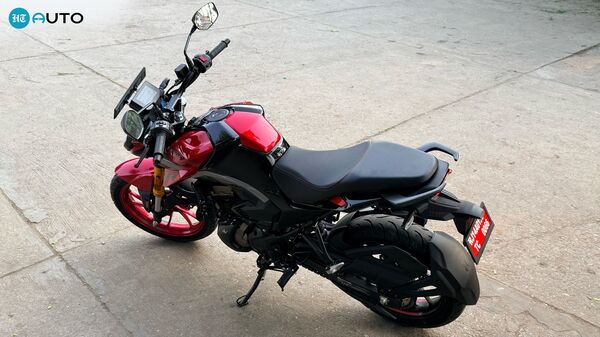
It is not an entirely upright commuter, though. There is a slight forward lean, which puts some weight on your wrists. The footpegs and the gear and rear-brake levers are positioned relatively flat, while the sculpted fuel tank helps your knees settle into place. The result is a riding position that feels slightly sporty without becoming uncomfortable.
Coming to the suspension, the Pro and Carbon variants get a 37mm KYB upside-down front fork, while the rear uses a preload-adjustable monoshock. The Standard variant uses a telescopic front fork instead. The front suspension is tuned to be stiffer, while the rear is softer over larger bumps. This combination works reasonably well on city roads and highways, although the softer rear setup becomes more noticeable when leaning into corners.
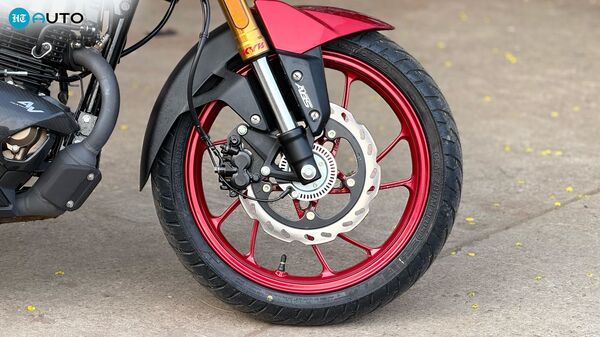
Grip from the tyres is reassuring enough for quick changes of direction through traffic. The brakes perform their job well, too, but a stronger initial bite would have added to the sporty feel. The Standard gets single-channel ABS, while the Pro and Carbon receive dual-channel ABS.
I also like the positioning of the rear-view mirrors. They sit relatively low and extend outwards, providing a useful field of vision without demanding too much adjustment from the rider.
Engine and performance
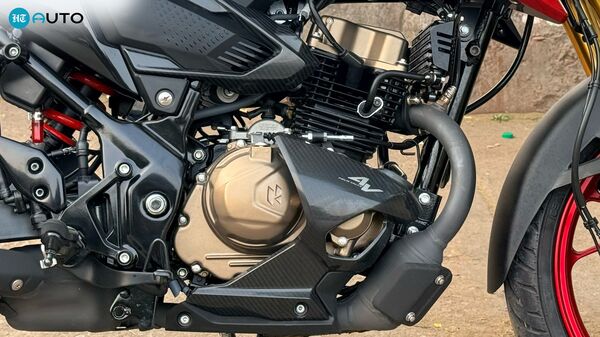
The updated motorcycle retains its four-valve, oil-cooled, single-cylinder engine. Its displacement is listed at 163.24 cc in Hero's technical brochure, and the latest update brings the quoted peak output to 17.1 PS at 8,750 rpm. Maximum torque remains 14.6 Nm at 6,500 rpm. Hero claims a 0-60 kph time of 4.4 seconds.
The more significant change on the Pro and Carbon variants is the ride-by-wire throttle. It makes the motorcycle respond quickly to inputs and gives it an eager character. The problem is that the three riding modes, Rain, Road and Sport, do not always deliver that performance in a predictable manner.
Sport mode is particularly aggressive. The throttle becomes so sensitive that riding smoothly through city traffic can be difficult, with jerks spoiling what should otherwise be an enjoyable experience. Road mode is more manageable, but it could still be more linear.
Rain mode reduces the engine's output, yet there is enough punch available if you twist the throttle properly. That can be useful when you need to accelerate, but it also means the mode does not always feel as forgiving as its name might suggest.
The clutch operation is exceptionally light, which is a definite advantage in stop-and-go traffic. Taken together, the engine and clutch make the Xtreme easy to use daily, provided you find a throttle mode that suits the conditions.
Verdict
The updated Hero Xtreme 160R 4V costs ₹1.27 lakh for the Standard, ₹1.37 lakh for the Pro and ₹1.41 lakh for the Carbon, all ex-showroom. These are introductory prices. The Standard is the harder variant to recommend because it costs more than some rival entry-level versions while missing out on ride-by-wire and dual-channel ABS.
The Pro and Carbon trims make a stronger case for themselves, offering a more complete equipment package at prices that are competitive with better-equipped rivals. The Carbon's TFT is a useful extra, but the Pro already covers most of the important basics.
The Xtreme 160R 4V is worth considering if you want to stand out from the familiar crowd of Apaches and Pulsars. It looks sharper, is comfortable enough for everyday use and has no glaring deal-breakers. Hero still needs to work on the throttle calibration, but the latest update has given the motorcycle a stronger identity.


Editor's Pick


Trending this Week