MoRTH proposes phased rollout of cybersecurity management systems for vehicles

Under the draft proposal, motor vehicles of categories M, N, T, if fitted with at least one electronic control unit (ECU) and L7 with level 3 automation, as referred to in the standard, shall meet the requirements of cybersecurity and cybersecurity management systems (CSMS) as per AIS-189.
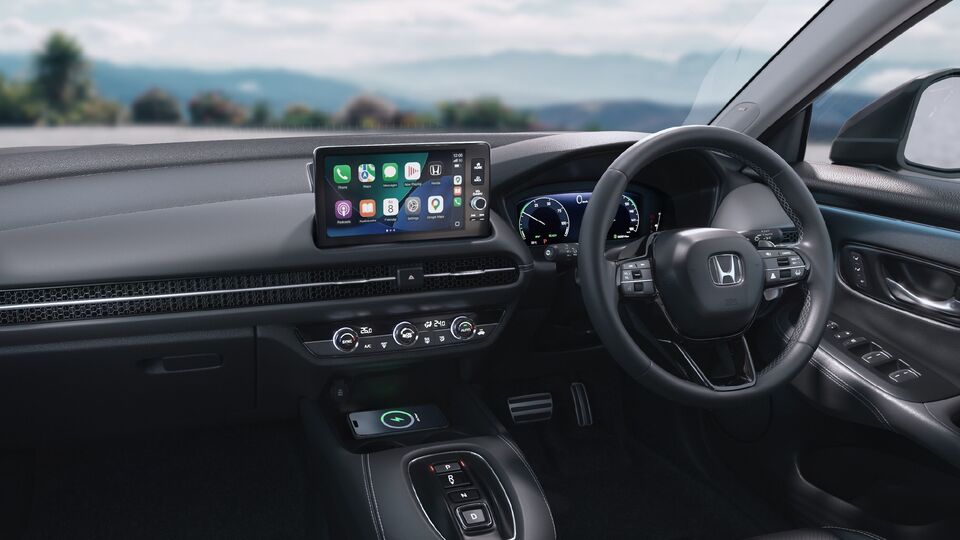
The Union Ministry of Road Transport and Highways (MoRTH) has proposed a phased rollout of cybersecurity and management systems for vehicles in India in order to enhance the safety quotient of automobiles made in the country. In a draft notification, MoRTH has said the proposed regulations will apply across different vehicle categories. These vehicle categories will include passenger vehicles (M), goods carriers (N), and trailers (T).







Under the draft proposal issued by MoRTH, motor vehicles of categories M, N, T, if fitted with at least one electronic control unit (ECU) and L7 with level 3 automation, as referred to in the standard, shall meet the requirements of cybersecurity and cybersecurity management systems (CSMS) as per AIS-189. The AIS-189 aligns India's regulatory framework with globally accepted practice on vehicle cybersecurity and software lifecycle management.
Trending Bikes


According to the draft notification, vehicles with automation level L3 and above that comply with cybersecurity and cybersecurity management systems will be mandatory from October 1, 2026, for new models and April 1, 2027, for existing models. In the case of over-the-air (OTA) software update-enabled vehicles, compliance will be mandatory from October 1, 2029, for all vehicles, new and existing models. The ministry has invited comments and objections on the proposal from stakeholders within 30 days.
According to the draft notification issued by MoRTH, the proposed rules align India with the United Nations' regulatory framework already adopted in international markets such as the European Union, Japan and South Korea, where cybersecurity and software update management are mandatory requirements for vehicle type approval.
Automotive cybersecurity is the practice of protecting connected vehicles, electronic control units, and software from unauthorised access, manipulation, or exploitation across their entire lifecycle. It ensures safety, data privacy, and operational integrity against remote cyber threats. The modern vehicles across different categories are increasingly implementing connected technology, which is further fuelling the need for cybersecurity management in them.
Get insights into Upcoming Cars In India, Electric Vehicles, Upcoming Bikes in India and cutting-edge technology transforming the automotive landscape.


Editor's Pick




Trending this Week