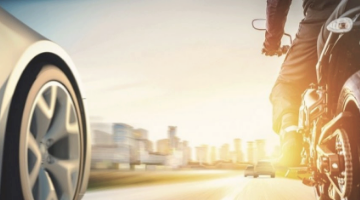
India to roll out E20 petrol with 95 RON nationwide from April 2026

- From April 1, 2026, only E20 petrol with minimum 95 RON will be sold nationwide. The move aims to cut oil imports and emissions, while ensuring engines remain protected from knocking.
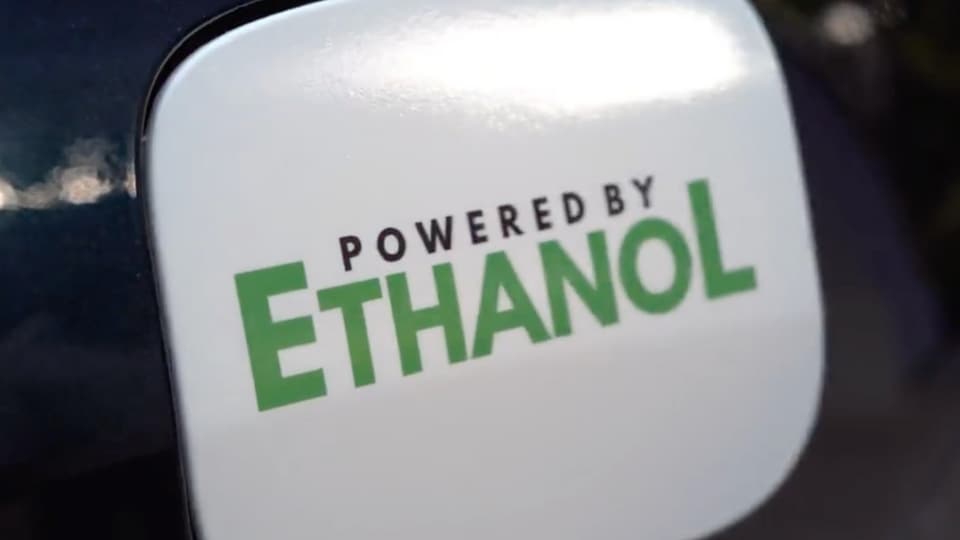
The Centre has made it compulsory for oil marketing companies to retail petrol blended with up to 20 per cent ethanol and carrying a minimum Research Octane Number (RON) of 95 across all states and Union Territories from April 1, 2026.







In a notification dated February 17, the Ministry of Petroleum and Natural Gas directed fuel retailers to supply ethanol-blended petrol conforming to Bureau of Indian Standards (BIS) norms, with ethanol content up to 20 per cent and a minimum RON of 95. The order applies nationwide, although the government has retained the option to grant temporary exemptions for specific regions under special circumstances.
Trending Cars



Why the government is pushing E20 now
Ethanol used for blending is produced from sugarcane, maize and other grains. As a domestically sourced and renewable fuel, it is intended to reduce crude oil imports and lower tailpipe emissions. The blending programme is also aimed at supporting the agriculture sector by creating sustained demand for surplus produce.
India achieved 10 per cent ethanol blending in petrol in June 2022, five months ahead of schedule. Following that milestone, the government brought forward its 20 per cent blending target to the 2025-26 period, from the earlier 2030 deadline. Most fuel stations across the country now dispense E20 petrol.
According to the oil ministry, ethanol blending since 2014-15 has resulted in foreign exchange savings of over ₹1.40 lakh crore through reduced petrol imports.
Also Read : Mahindra to honour all vehicle warranty commitments with E20 fuel usage
What the 95 RON requirement really means
The requirement for a minimum RON of 95 is intended to safeguard engines against knocking. RON measures a fuel’s resistance to pre-ignition, commonly referred to as knocking, which can lead to power loss and long-term engine damage. Higher RON fuels are better able to withstand higher compression without igniting prematurely.
Ethanol itself has a high octane rating of around 108 RON. Blending it with petrol improves overall knock resistance, helping meet the 95 RON threshold.
What this means for your car
Industry officials have indicated that vehicles manufactured between 2023 and 2025 are engineered to run on E20 fuel, and no major concerns are expected for these models. However, older vehicles may experience a marginal drop in fuel efficiency, estimated at 3 to 7 per cent. There could also be increased wear on certain rubber and plastic components not originally designed for higher ethanol content.
Get insights into Upcoming Cars In India, Electric Vehicles, Upcoming Bikes in India and cutting-edge technology transforming the automotive landscape.

Editor's Pick




Trending this Week