Delhi pollution fighting plan: Entry curb on non-city vehicles below BS-VI, double parking charges, stringent PUC rule

From October 1, fuel stations across Delhi-NCR will refuse petrol or diesel to vehicles without a valid PUCC.
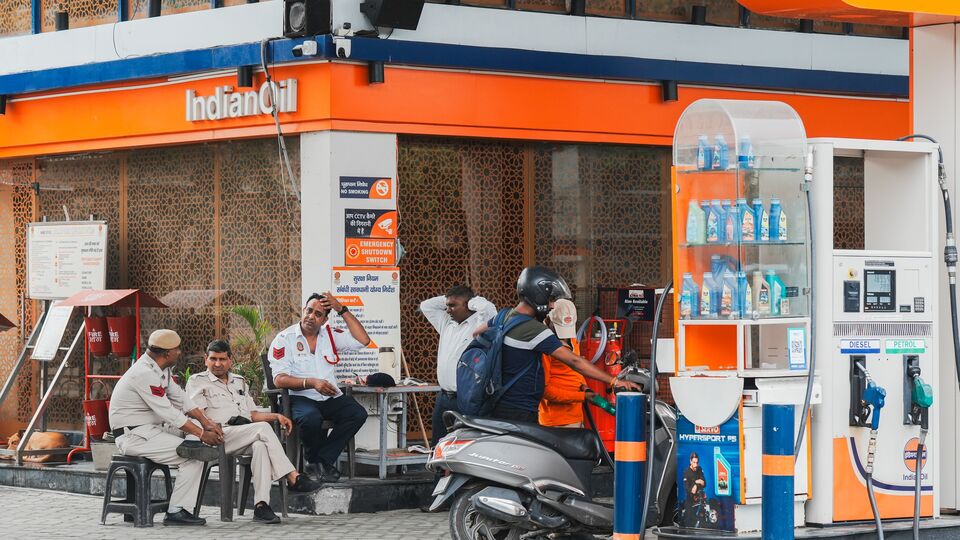
Delhi government has announced a slew of measures to curb pollution that generally rises to severe level after pollution and choke the Delhi-NCR during winter. These measures include restrictions on the entry of non-Delhi-registered vehicles below BS-VI into the national capital, stricter enforcement of the ‘No PUC, No Fuel’ rule, as well as slapping additional parking charges.
Delhi Environment Minister Manjinder Singh Sirsa on Monday announced these measures. These measures are aimed at curbing the severe air pollution in the Delhi-NCR, which causes massive problems every year during the winter. The measures were discussed at an action-based planning meeting on Delhi and NCR pollution chaired by Union Environment Minister Bhupender Yadav and attended by Delhi Chief Minister Rekha Gupta, PWD Minister Parvesh Verma and Sirsa.
Trending Bikes






Restriction on vehicles entering Delhi
Vehicles registered outside Delhi that are below BS-VI emission norm compliant will be prohibited from entering the national capital from November 1. However, this rule will not be applicable to CNG vehicles. The Delhi government has not specified when the restriction will end.
Higher parking charges
Parking charges at authorised parking sites in Delhi will be doubled from November 1 to February 28 to discourage private vehicle use. However, electric vehicles will be exempted from the additional parking charges. Also, parking spaces owned and managed by the Delhi Metro Rail Corporation (DMRC) will be excluded from this parking charge hike.
No PUC, no fuel
The "No PUC, No Fuel" rule will be strengthened and implemented in mission mode, with a strict campaign at all 500 ANPR-equipped petrol pumps in Delhi. Under this, from October 1, fuel stations across Delhi-NCR will refuse petrol or diesel to vehicles without a valid pollution under control certificate. Also, the Delhi government stated that a public awareness campaign will be held in October and PUC centres will be upgraded in November 2026.
The fitness of ANPR (automatic number plate recognition) cameras will also be checked, while around 2.5 lakh vehicles will undergo fitness checks through three automated testing stations. The government is also working under the Parivartan scheme to replace BS-IV and older goods vehicles and buses, with a mission-mode registration drive involving stakeholders.
Other measures
Delhi currently has 5,088 electric buses, and another 150 electric buses will be added to the fleet. The government also aims to strengthen last-mile connectivity to promote public transport and metro use, said Sirsa.
Besides that, the government has identified 15 stretches for making traffic signal-free in an attempt to reduce vehicular congestion and eventually bring down pollution levels. Eight of them have been completed, and the remaining seven are targeted for completion by October 7. The government also plans to encourage carpooling and public transport use during the winter months.
Get insights into Upcoming Cars In India, Electric Vehicles, Upcoming Bikes in India and cutting-edge technology transforming the automotive landscape.


Editor's Pick




Trending this Week