Govt notifies CAFE-III norms, aims about 17% improvement in car fuel efficiency by 2032

The new CAFE-III norms will come into effect from April 1, 2027 and remain in force through March 31, 2032.

The Indian government has notified tighter fuel-efficiency Corporate Average Fuel Economy or CAFE-III norms for passenger vehicles, targeting a 16.7% improvement in fleet-average fuel consumption over the next five years, while giving the automakers greater flexibility to use electric vehicles, hybrids, alternative fuels and fuel-saving technologies to meet the targets.



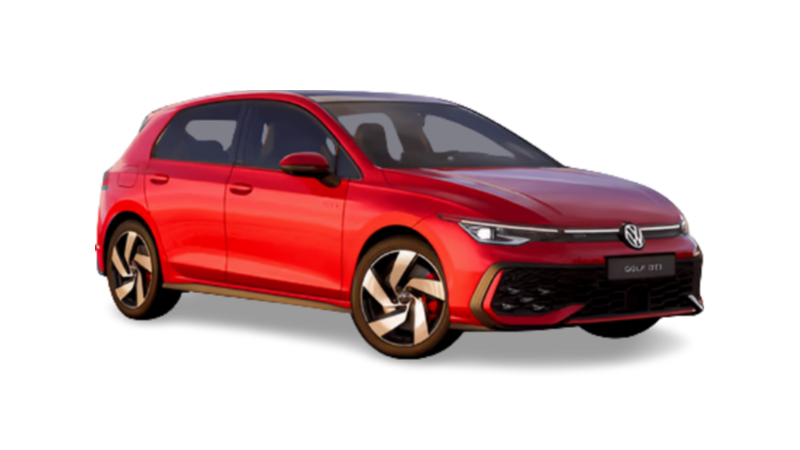

The new CAFE-III norms will come into effect from April 1, next year and remain in force through March 31, 2032. The benchmark for average fuel consumption will tighten progressively from 3.996 litres per 100 km in 2027-28 to 3.327 litres per 100 km in 2031-32. The CAFE-III framework replaces the existing CAFE regime and is designed to drive year-on-year improvements in fleet efficiency while giving manufacturers multiple technology and compliance pathways.
Trending Cars





Under the new norms, the new target curve has also been made more weight-sensitive, with the reference vehicle weight raised to 1,229 kg from 1,082 kg under the existing norms. The government said this would mean relatively softer targets for lighter vehicles and greater efficiency requirements for heavier ones.
Electric and hybrid vehicles will get additional weight in fleet-average calculations under the CAFE-III norms. Battery electric and range-extended electric vehicles will get a 3.0 volume multiplier, while plug-in hybrids and strong hybrids running on flex-fuel ethanol will get 2.5, strong hybrids 1.6 and flex-fuel vehicles 1.1.
Several automakers have welcomed the framework, saying the 5-year roadmap and market-based compliance mechanisms provide greater regulatory certainty while allowing manufacturers to pursue multiple technology pathways.
The norms also expand the list of recognised fuel-saving technologies from four to 12, allowing manufacturers to claim a reduction of 1 gram of CO2 per kilometre for each eligible technology, subject to a maximum of 9 g/km.
Eligible technologies include start-stop systems, tyre-pressure monitoring, regenerative braking, efficient alternators, micro-hybrid systems, exterior LED lighting, advanced glazing, electric water pumps, solar-reflective paint and high-efficiency air-conditioning systems.
Get insights into Upcoming Cars In India, Electric Vehicles, Upcoming Bikes in India and cutting-edge technology transforming the automotive landscape.


Editor's Pick




Trending this Week