How falling battery costs have made electric vehicles cheaper over the years
- According to a recent report, the price of battery cells fell 16.5% per annum between 2014 and 2017, but the drop was only 5.8% per annum between 2017 and 2020.
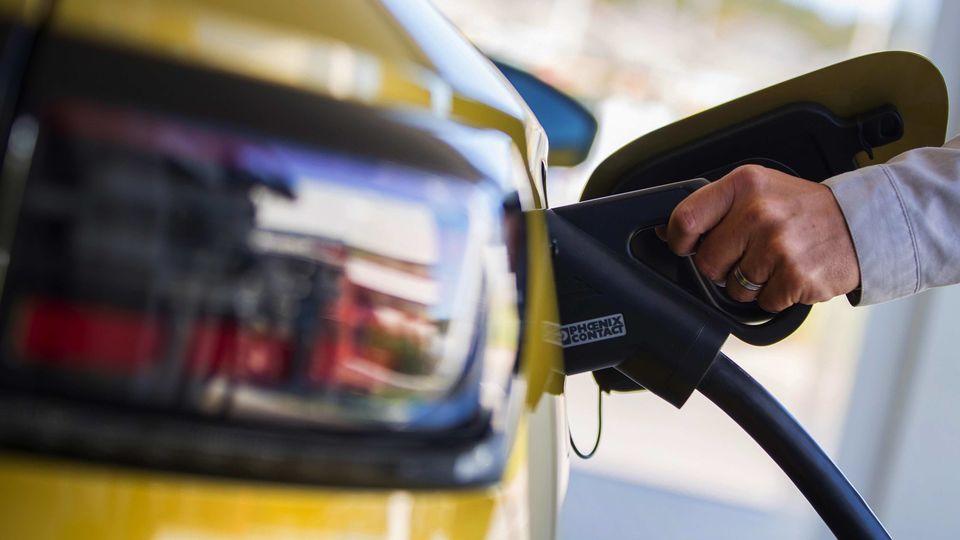


The cost of battery cells used for electric vehicles has fallen to an average of $110 per kilowatt hour (kWh), making such cars competitive with those using internal combustion engines (ICE), according to Benchmark Mineral Intelligence (BMI).


One barrier to a higher take up of electric vehicles has been the high cost of producing the lithium-ion rechargeable batteries, which according to BMI averaged $120 per kWh last year and $280 per kWh in 2014.
Also check these Bikes
"The holy grail to make electric vehicles cheaper than ICE vehicles is deemed to be battery cells costing $100 kWh," said BMI Managing Director Simon Moores.
"The reality is at $110 a kWh for large automotive contracts we have already reached the tipping point."
BMI estimates that between 2014 and 2017 the price of battery cells fell 16.5% per annum, but between 2017 and 2020 the drop was only 5.8% per annum.
"We may have seen the last of the big easy wins for lithium-ion battery producers in reducing cost," Moores said.
"It is now about reducing and stabilising the cost of your biggest input raw materials such as lithium, nickel, graphite, cobalt and manganese."
Get insights into Upcoming Cars In India, Electric Vehicles, Upcoming Bikes in India and cutting-edge technology transforming the automotive landscape.
Editor's Pick




Trending this Week