Tata Punch
Tata Punch is a 5 Seater seater car, Ex-showroom price starting from Rs. 5,99,900 in India. It is available in 28 variants, 1199.0 cc engine available in and 2 transmission option: Manual,Automatic. Tata Punch mileage is 18.8 - 20.9 kmpl.
| Engine | 1199.0 cc |
| Mileage | 18.8 - 20.9 kmpl |
| Fuel Type | Petrol |
| Transmission | Both |
About Tata Punch

Tata Punch price starts at ₹ 6 Lakhs and goes up to ₹ 10.1 Lakhs (Ex-showroom). Tata Punch comes in 28 variants. Tata Punch's top variant is Creative Flagship Dual Tone AMT.
₹6 Lakhs* | 1199 cc Petrol Manual |
₹6.35 Lakhs* | 1199 cc Petrol Manual |
₹6.9 Lakhs* | 1199 cc Petrol Manual |
₹7 Lakhs* | 1199 cc Petrol Manual |
₹7.25 Lakhs* | 1199 cc Petrol Manual |
₹7.35 Lakhs* | 1199 cc Petrol Manual |
₹7.5 Lakhs* | 1199 cc Petrol Automatic |
₹7.6 Lakhs* | 1199 cc Petrol Automatic |
₹7.75 Lakhs* | 1199 cc Petrol Manual |
₹7.8 Lakhs* | 1199 cc Petrol Manual |
₹7.85 Lakhs* | 1199 cc Petrol Automatic |
₹7.95 Lakhs* | 1199 cc Petrol Automatic |
₹8.15 Lakhs* | 1199 cc Petrol Manual |
₹8.18 Lakhs* | 1199 cc Petrol Manual |
₹8.25 Lakhs* | 1199 cc Petrol Manual |
₹8.35 Lakhs* | 1199 cc Petrol Manual |
₹8.4 Lakhs* | 1199 cc Petrol Automatic |
₹8.65 Lakhs* | 1199 cc Petrol Manual |
₹8.75 Lakhs* | 1199 cc Petrol Manual |
₹8.75 Lakhs* | 1199 cc Petrol Manual |
₹8.78 Lakhs* | 1199 cc Petrol Automatic |
₹8.85 Lakhs* | 1199 cc Petrol Automatic |
₹9.2 Lakhs* | 1199 cc Petrol Manual |
₹9.25 Lakhs* | 1199 cc Petrol Automatic |
₹9.35 Lakhs* | 1199 cc Petrol Automatic |
₹9.5 Lakhs* | 1199 cc Petrol Manual |
₹9.8 Lakhs* | 1199 cc Petrol Automatic |
₹10.1 Lakhs* | 1199 cc Petrol Automatic |

Tata Punch Specifications and Features
| Body Type | Compact SUV |
| Airbags | Yes |
| Keyless Entry | Yes |
| Mileage | 20.9 kmpl |
| Engine | 1199.0 cc |
| Fuel Type | Petrol |
My Garage


Popular Tata Cars
- Popular
- Upcoming
| 1 & above | |
| 2 & above | |
| 3 & above | |
| 4 & above | |
| 5 rating |


Tata Punch is the next SUV lined up for the Indian car market by Tata Motors. Punch may well be far smaller in dimensions than its siblings but is likely to be the most sought-after because of the segment and play of field it seeks to compete in. The sub-compact SUV space is littered with options galore and a new entrant has to ace several aspects if it has to emerge as a firm favourite. Does Tata Punch have what it takes to carve out a clear path for itself or will it just be yet another addition to a fast growing list?
On a fine October morning in Delhi recently, I got to spend an entire day with the Tata Punch to figure out all the answers and assess what this new sub-compact SUV has on offer. A punchy name, after all, is just a name and the real proof of its capabilities lies out in the open world.
Read on for the extensive first-drive review of Tata Punch.
Tata Punch: Exterior

Tata Punch is being offered in four variants, or personas as Tata Motors likes to call these. Much of the details highlighted here would depend on which variant or persona one opts for. There is the base which is called Pure, followed by Adventure, Accomplished and the top-end Creative. It is a clever marketing strategy because even if you opt for the base model, all you have to say is "I bought the Punch in Pure persona". Fancy!
There are multiple colour options on offer but not all variants get all colour choices.
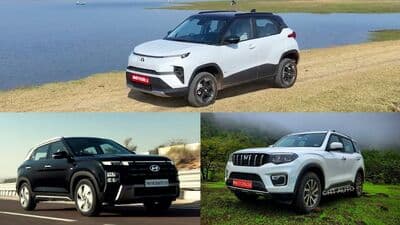
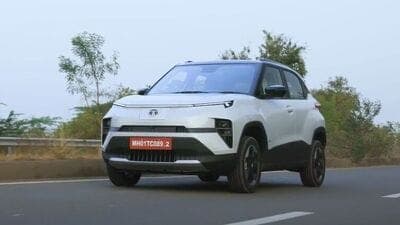
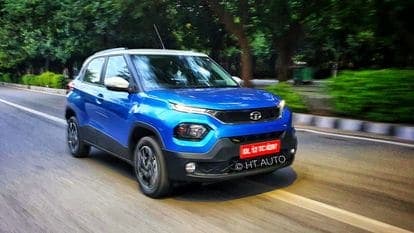
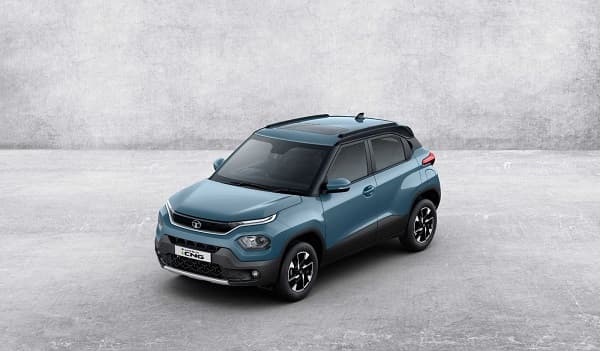
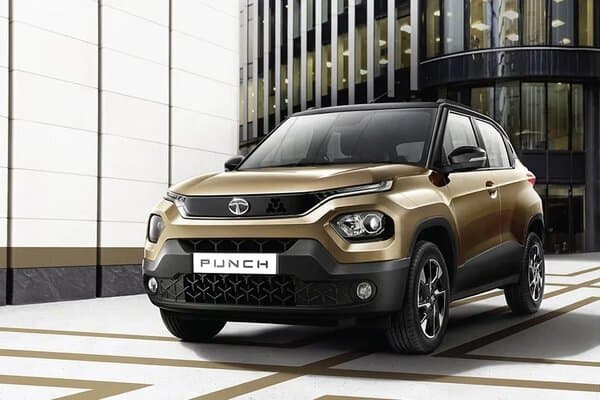
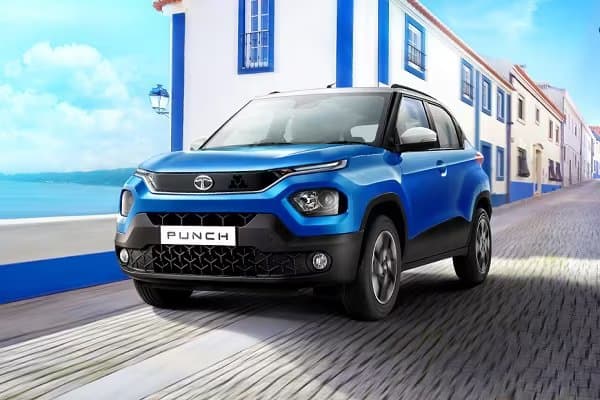
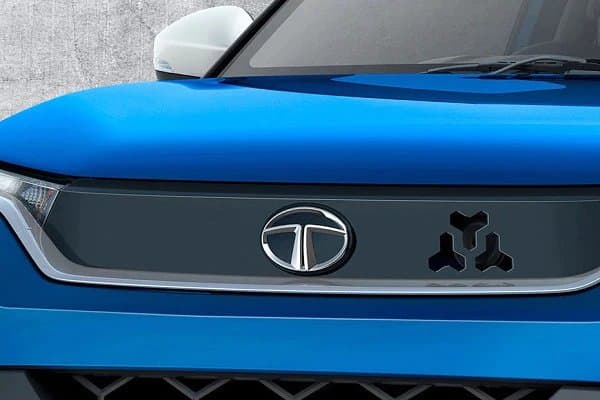
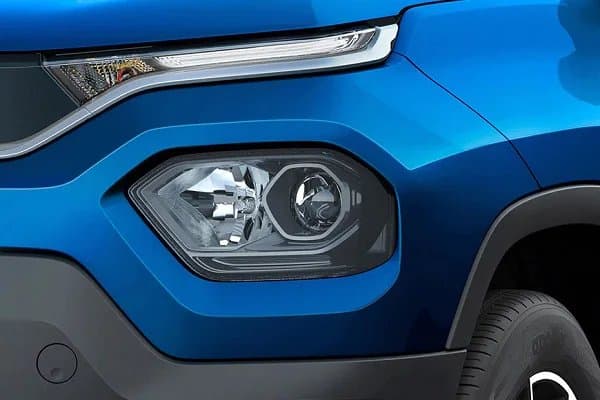
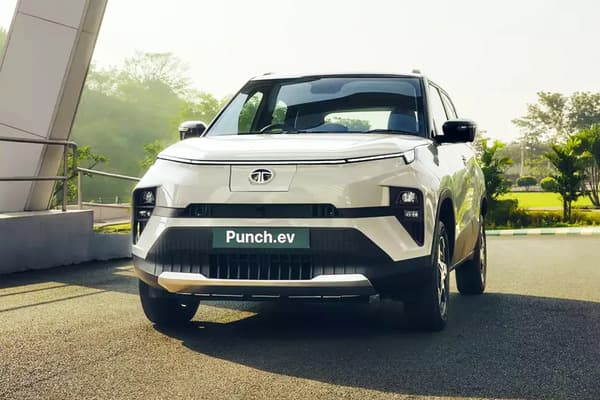
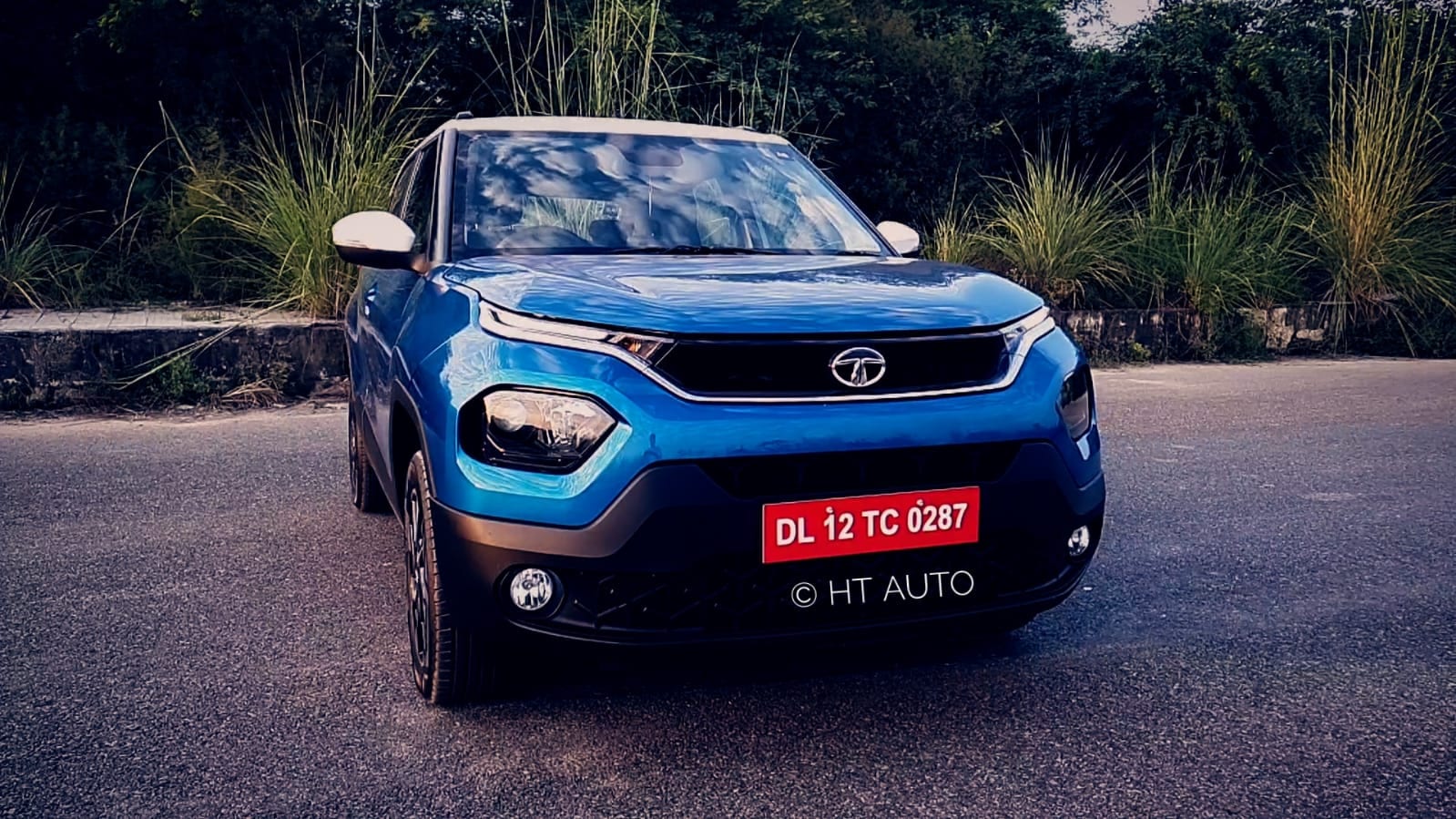
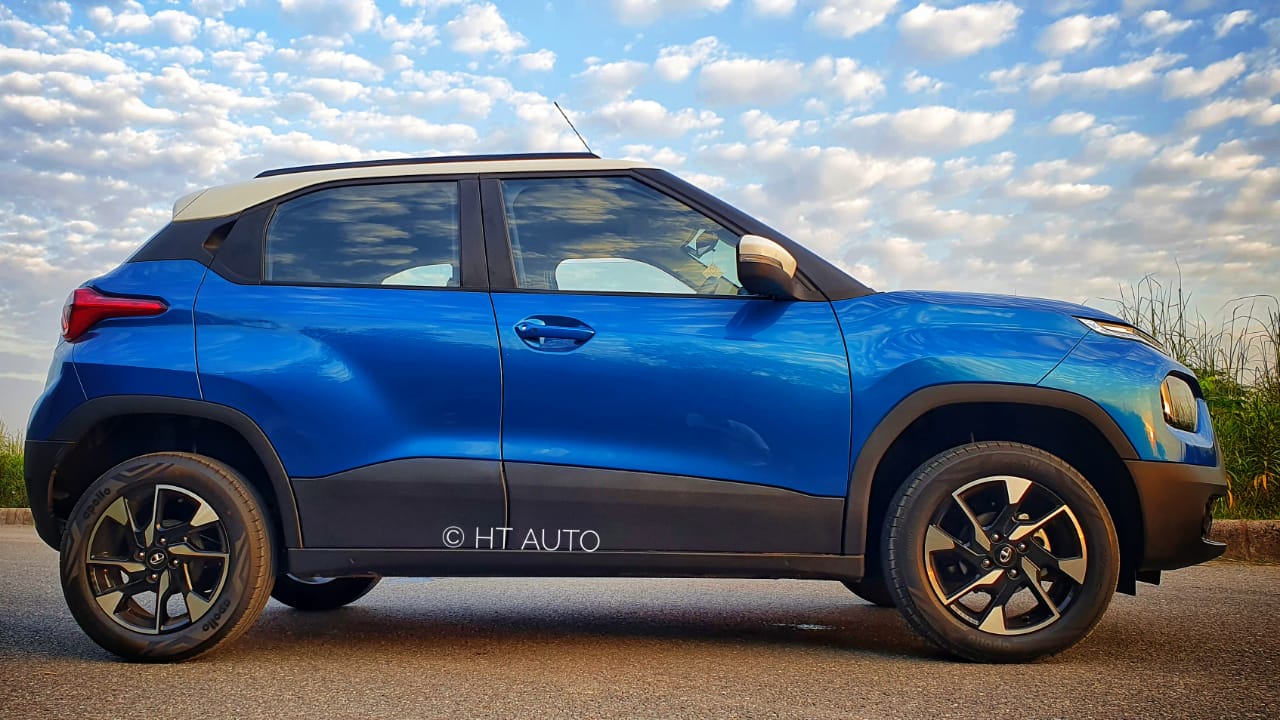
The Punch I received as part of the media test drives was in Tornado Blue shade with white roof and the top-end Creative variant. In terms of dimensions, obvious at that, the all variants are same and the Punch has compact numbers while still looking showing off an SUV-ish profile. The prominent front face with a familiar ‘Humanity Line’ on the grille, the LED DRLs and head light units that seem to have been taken straight from the Harrier and the fog light units on the front fender give it a muscular appeal.
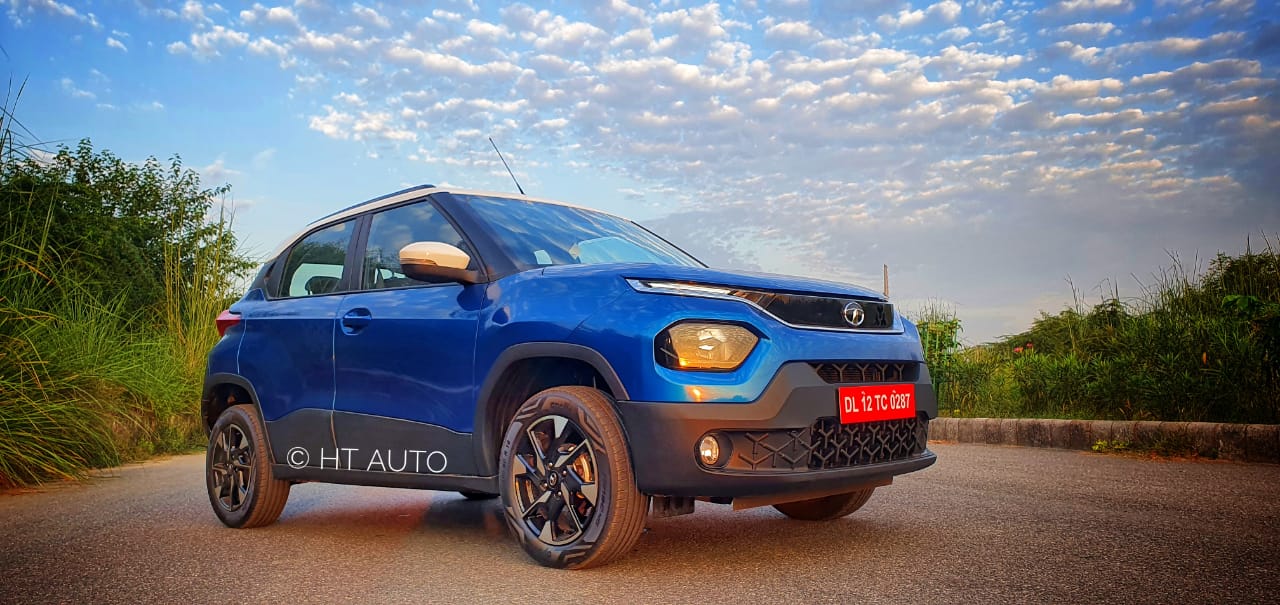
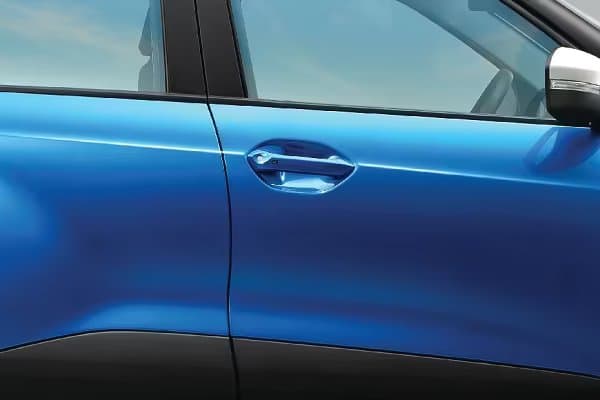
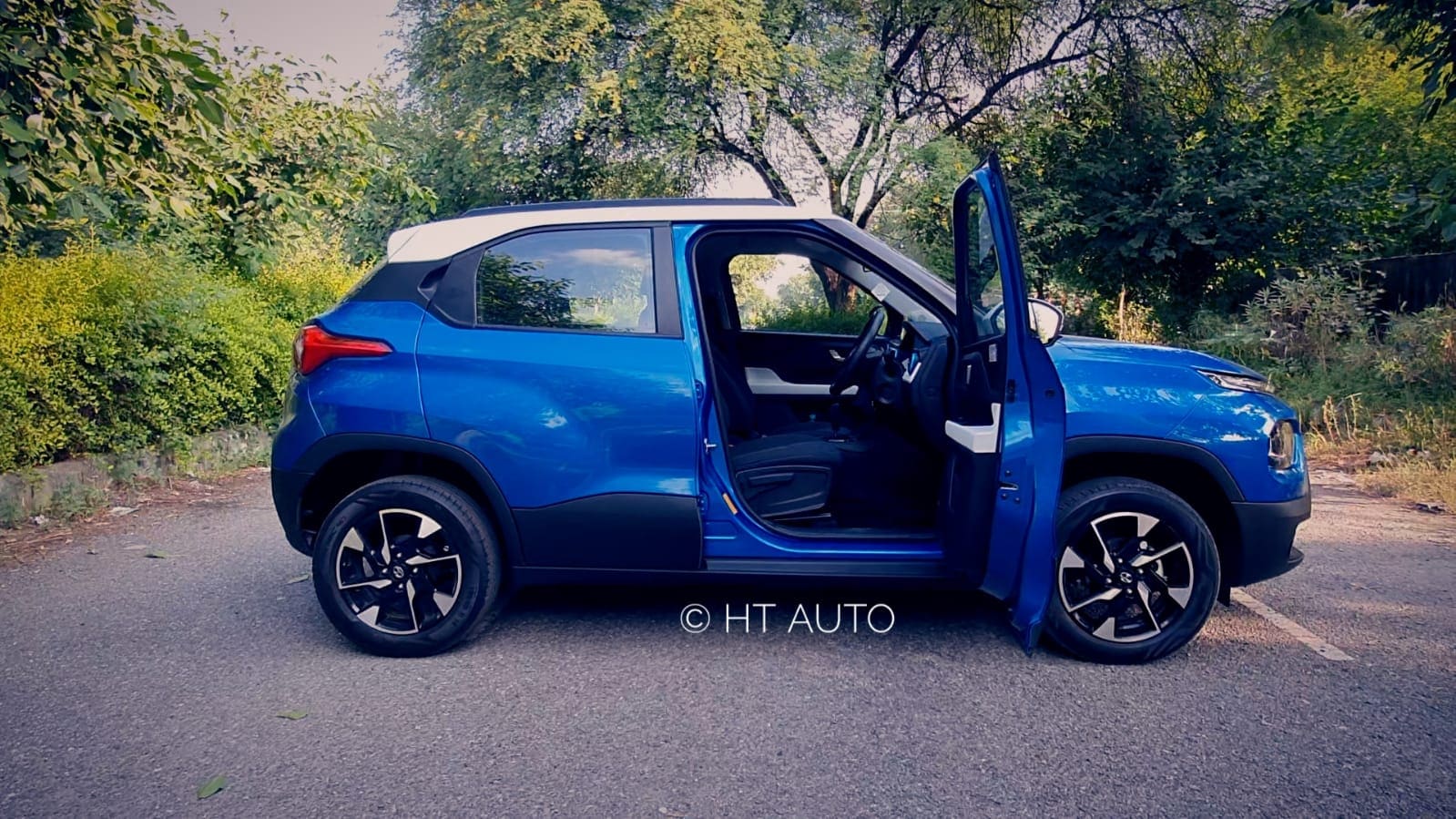
On the side, the large arches over the 15- or 16-inch wheels - depending on the variant, striking alloy design, generous cladding on the doors and roof rails highlight the profile. The fact that this car also has doors which open at a 90-degree angle - mimicking a butterfly, visually speaking, means that getting in and out is quite easy, space permitting of course.
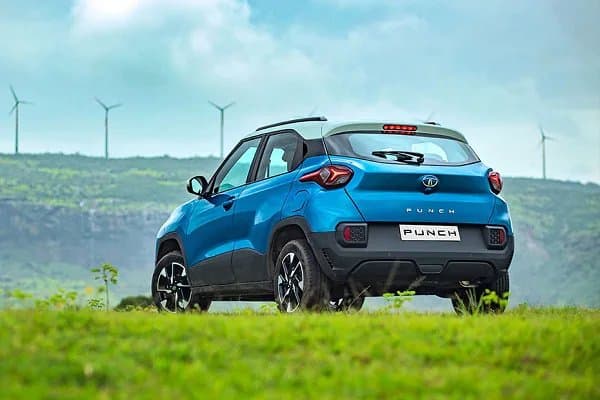
And the rear has a sleek demeanour courtesy arrow-shaped LED tail lights, double character lines on the trunk door and 'Punch' lettering here.
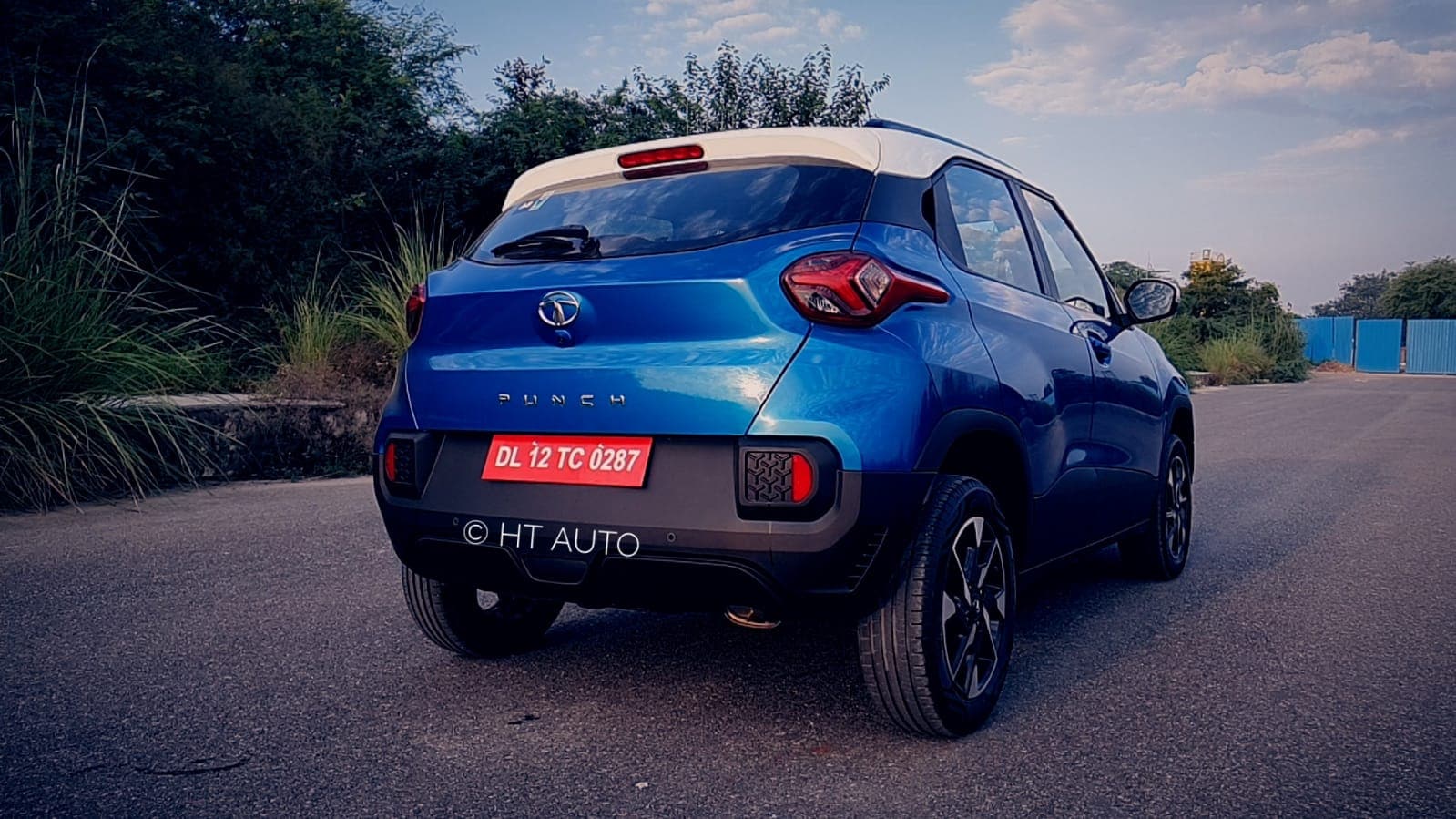
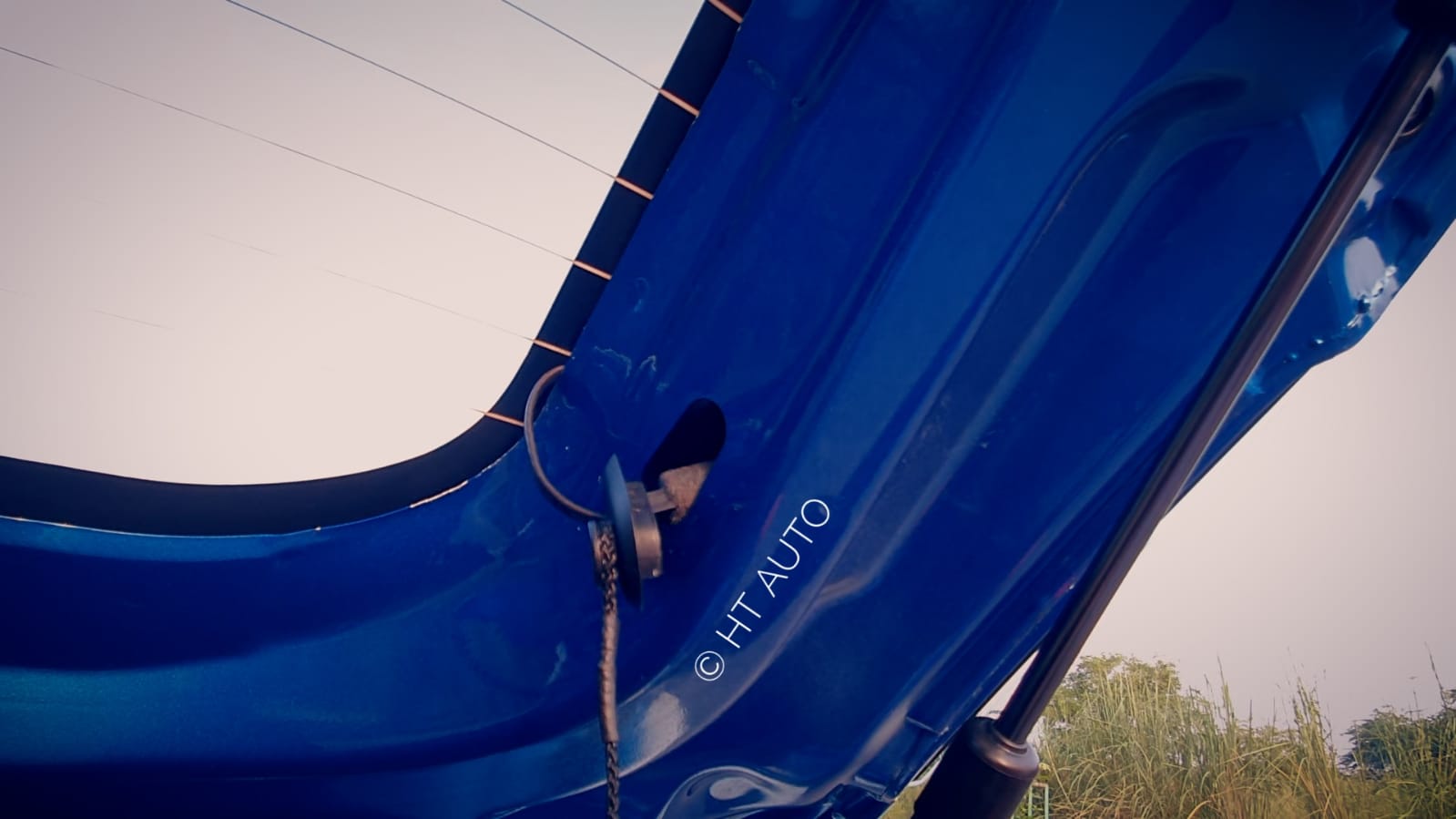
Open the trunk and there's around 360 litres of boot space available even if the load angle is a little high and could make lifting heavy suitcases a bother. While the addition of a tyre puncture repair kit, tucked neatly on one corner, is great, the exposed wiring on the inside trunk section is shoddy. The support hinge for the parcel tray in my review unit came off at the slightest bit of tug. Word of advise - don't put anything remotely heavy on the tray.
Tata Punch: Interior
Punch has a rather compact cabin because of its rather compact dimensions. If you step in with expectations kept sky high, it is likely that the fall back to the ground will hurt. There's no sunroof, no air purification system, no wireless phone charging option and no ambient lighting. What one can get, depending on the variant of course, are functional features for everyday use such as a cooled glovebox, infotainment screen, climate control, auto-folding ORVMs, rain-sensing wipers, automatic headlights, four speakers with two tweeters, among other additions.
One can also choose from a host of customization options when buying the Punch, a sign that Tata Motors does not want you to be limited in your desire for more features just because you chose a lower variant.
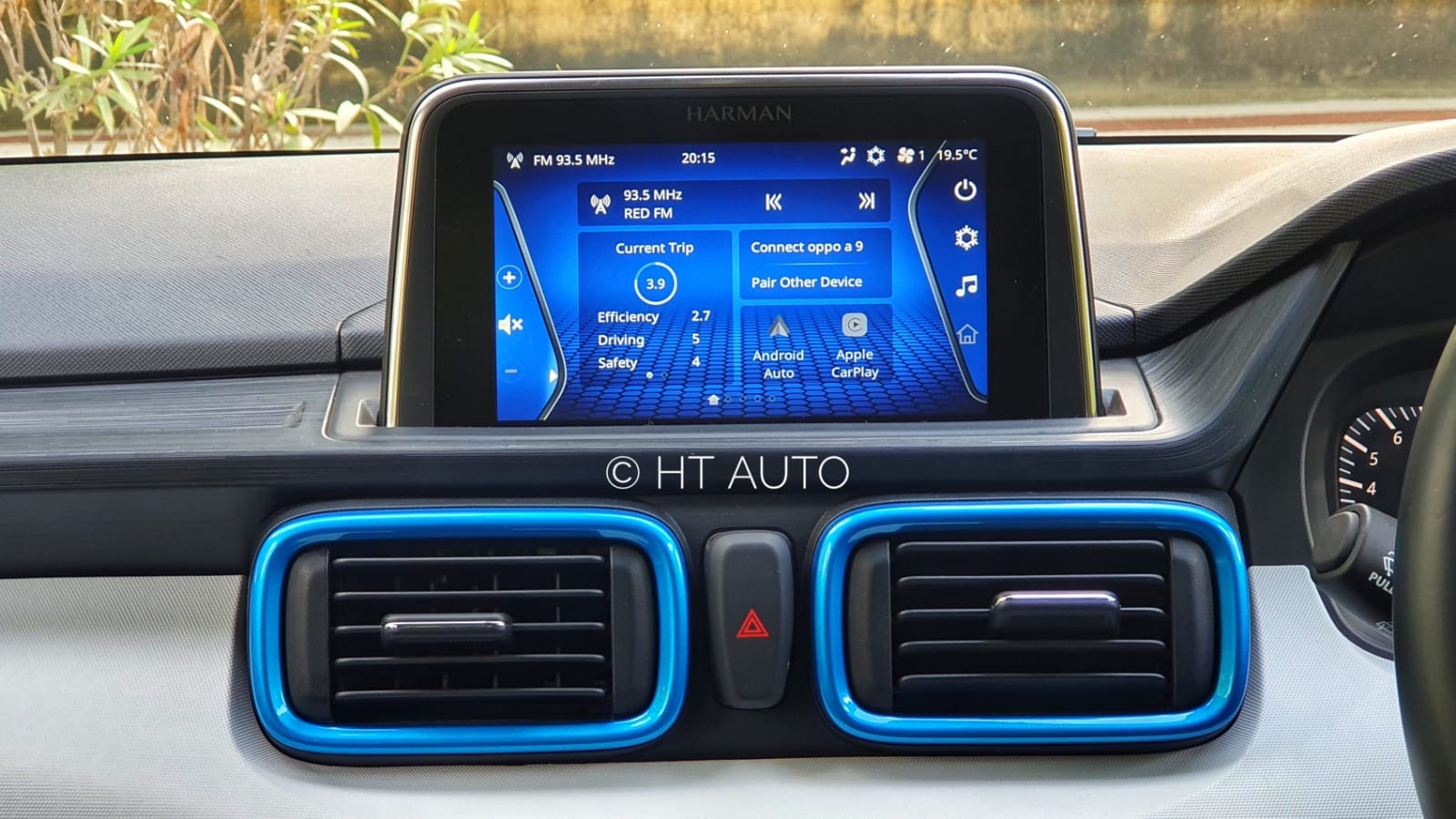
The seven-inch infotainment screen inside my Persona was par for the course courtesy minimal reflections and good response to touch inputs. Apart from the usual audio, video and navigation details, it also puts out a driver scorecard which assesses how well (or not) you have been behind the wheel. The semi-digital driver display too was on expected lines and is positioned well behind the three-spoke, flat-bottomed steering with mounted controls. The steering, however, can only be adjusted for rake and not for reach.
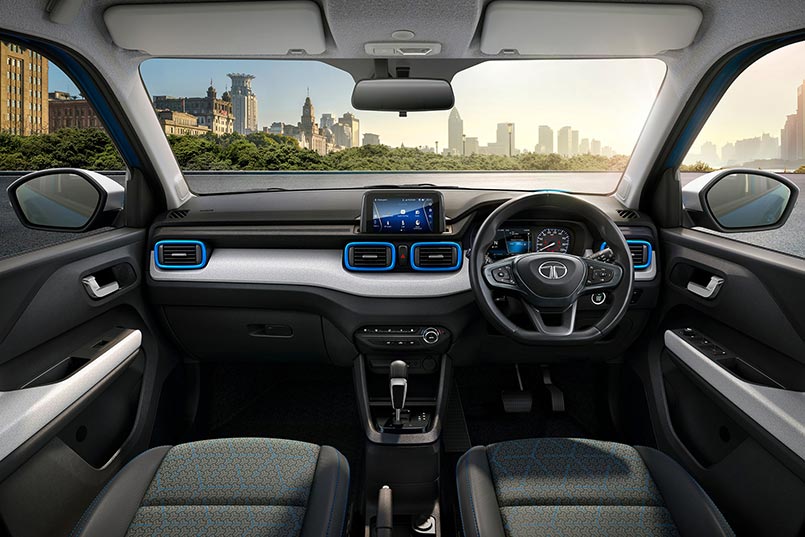
Now there is a lot of hard plastics used all around the cabin of the Punch but frankly, I was expecting this. Because Tata is likely to price Punch aggressively, this is something that can be overlooked. What is impressive though is the sporty dashboard design and layout which seek to camouflage the plastic quality, especially the white patterned addition on the lower end of the dash -where the AC vents are at. Speaking of AC vents, these get an outline border in the same hue as the exterior body colour of the vehicle.
The cooled glovebox is a great addition and has plenty of space for storing either documents or bottles. Or both. A sectional divide here seeks to ensure that things don't get jumbled.
Coming to the important bit about seat upholstery and spacing, Tata Punch tends to deliver on most counts. The seats are well cushioned and the quality of stitching appeared to be satisfactory. The driver seat can be adjusted for height which means even someone who may not exactly be considered tall will have a commanding view of the road ahead. I would have expected an arm rest, at least with the AMT I was driving, but there was none to be found.
The passengers on the back seat, well, have a bit of a hit and miss experience. The flat floor ensures that there is space for feet for the middle passenger but those on either side have limited space for their respective feet due to the rails on which the front seats sit. Leg room is rather limited and knee and head room is just about satisfactory. Three passengers sitting side-by-side on long journeys may be a bit of a cramped affair, also because there is no rear AC vent. Another miss is the lack of charging points for rear-seat passengers.
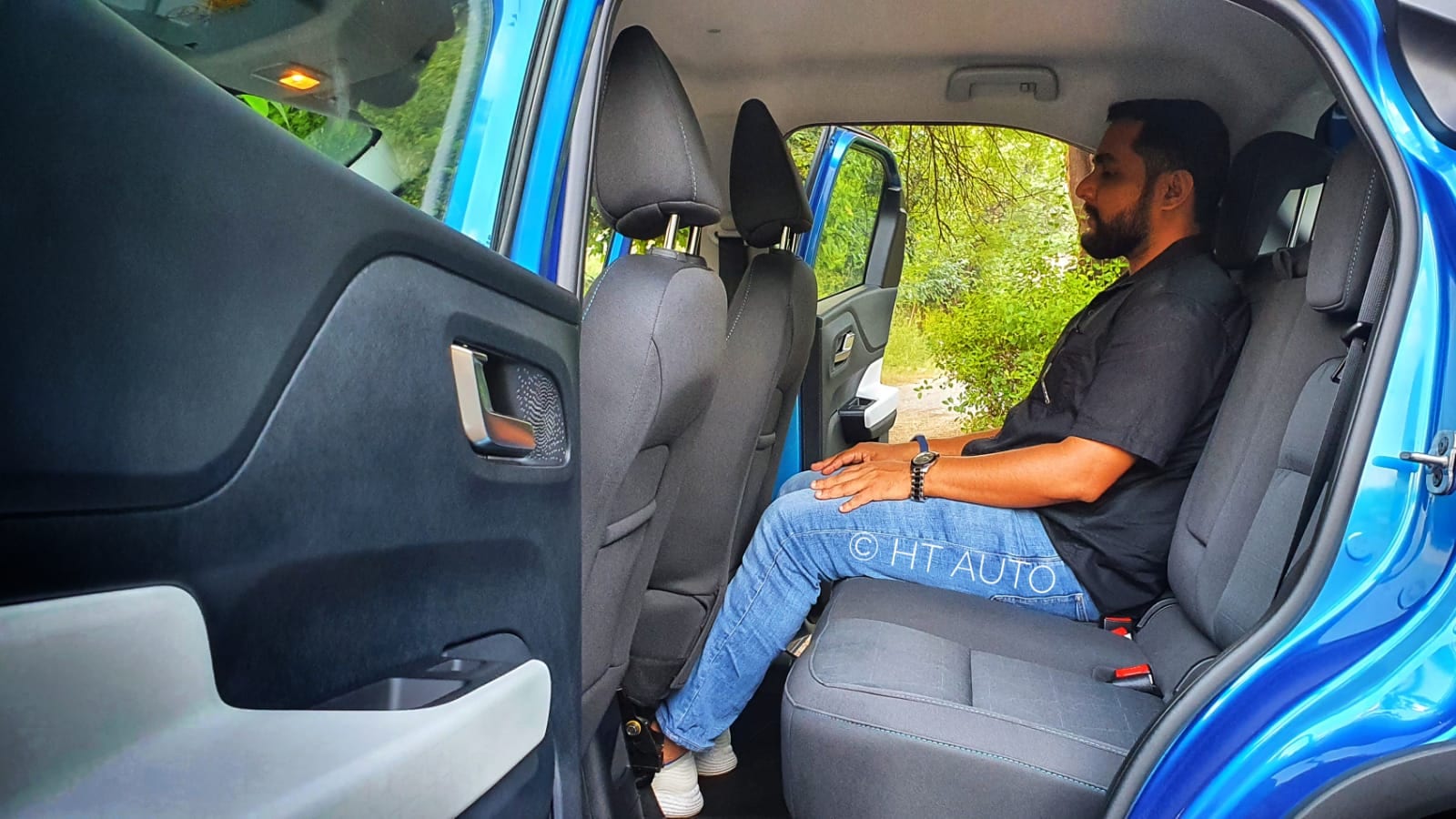
That said, it isn't as if the rear section of the Punch is a deal-breaker for the family person. An armrest in the middle of the rear seats, high-seat position and good punchy speakers may still make this car a good proposition for small families.
Tata Punch: Safety
Tata Motors has been consistently producing some of the safest passenger vehicles in India. Over the last few years, the homegrown carmaker has shown the world that made-in-India cars can achieve a Global NCAP five-star safety rating and one among them is the Tata Punch. This boxy SUV-ish car has received a five-star for adult occupant protection, while for child occupant protection, it has received a four-star rating.
A major factor behind this safety rating is the build quality, as the automaker claims. Besides that, on the safety feature front, the Punch gets dual front airbags, ABS with EBD, automatic headlamps, reverse parking sensors, ISOFIX anchors, autonomous emergency braking lane departure warning, electronic stability control, blind-spot detection etc.
Tata Punch: Performance
Punch is made available only with a 1.2-litre Revotron petrol engine. In case you want a diesel option, I advise checking out other Tata Motor options or picking one from the rival camp. But if the petrol engine is fine, there's much to look forward to right here.
The majority of my time with the Punch was with the AMT and that worked well because majority of my time was also spent within city limits - Delhi to Gurugram to Delhi. In all, I drove this variant (oops, persona) for around 100 kilometres on mostly well-laid city roads with the occasional broken patches.
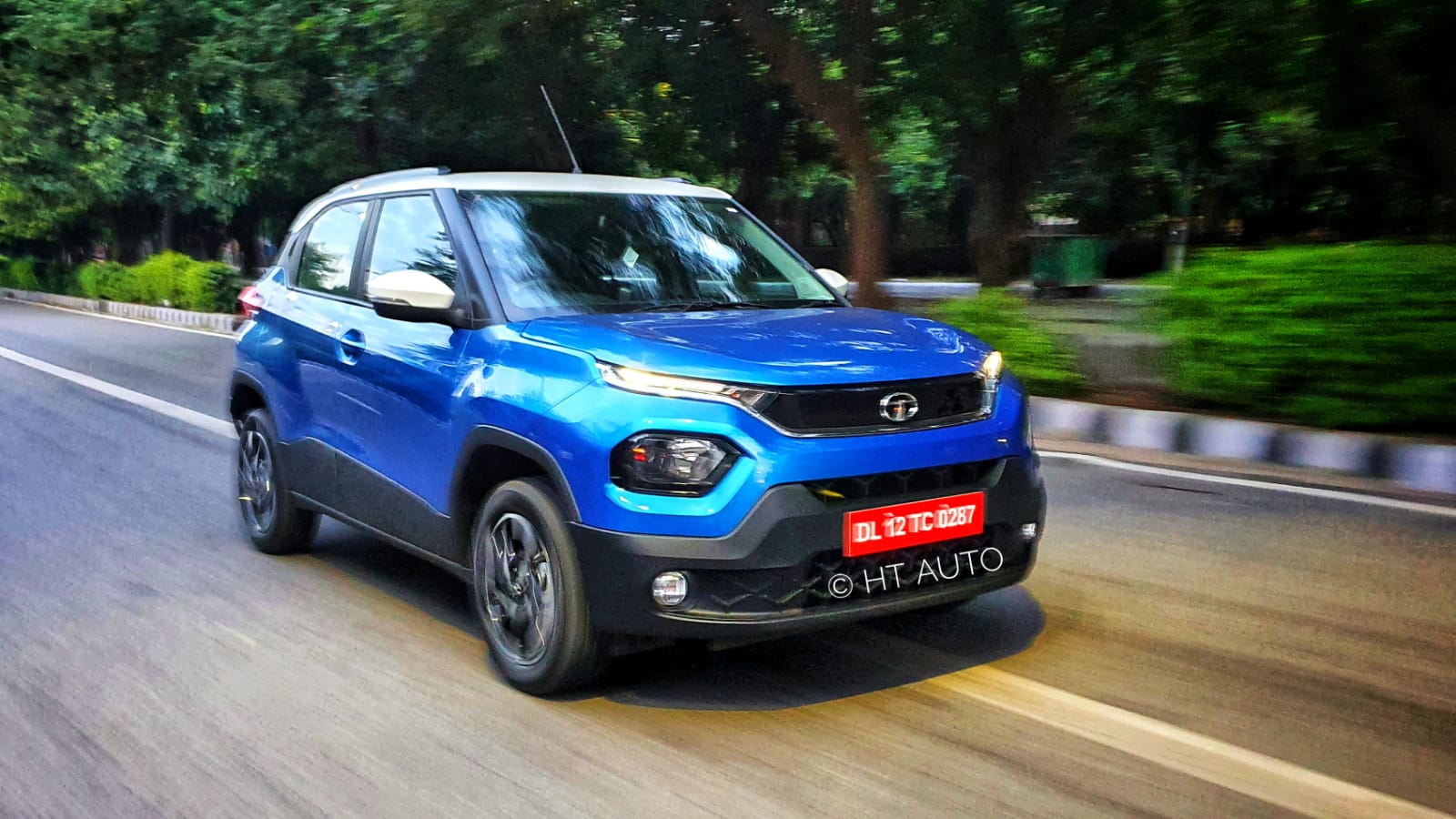
The key takeaways from the drive that I had was that the AMT, on expected lines, is a bit slow to take off. It has a familiar reluctance till around the 1,500 RPM mark and there the so-called rubber-band effect is very, very omnipresent. Any sudden plans for overtaking ought not to be sudden and will have to be well thought out before being executed. But once speed does build up and around the 1800 RPM mark, the Punch does justice to its name.
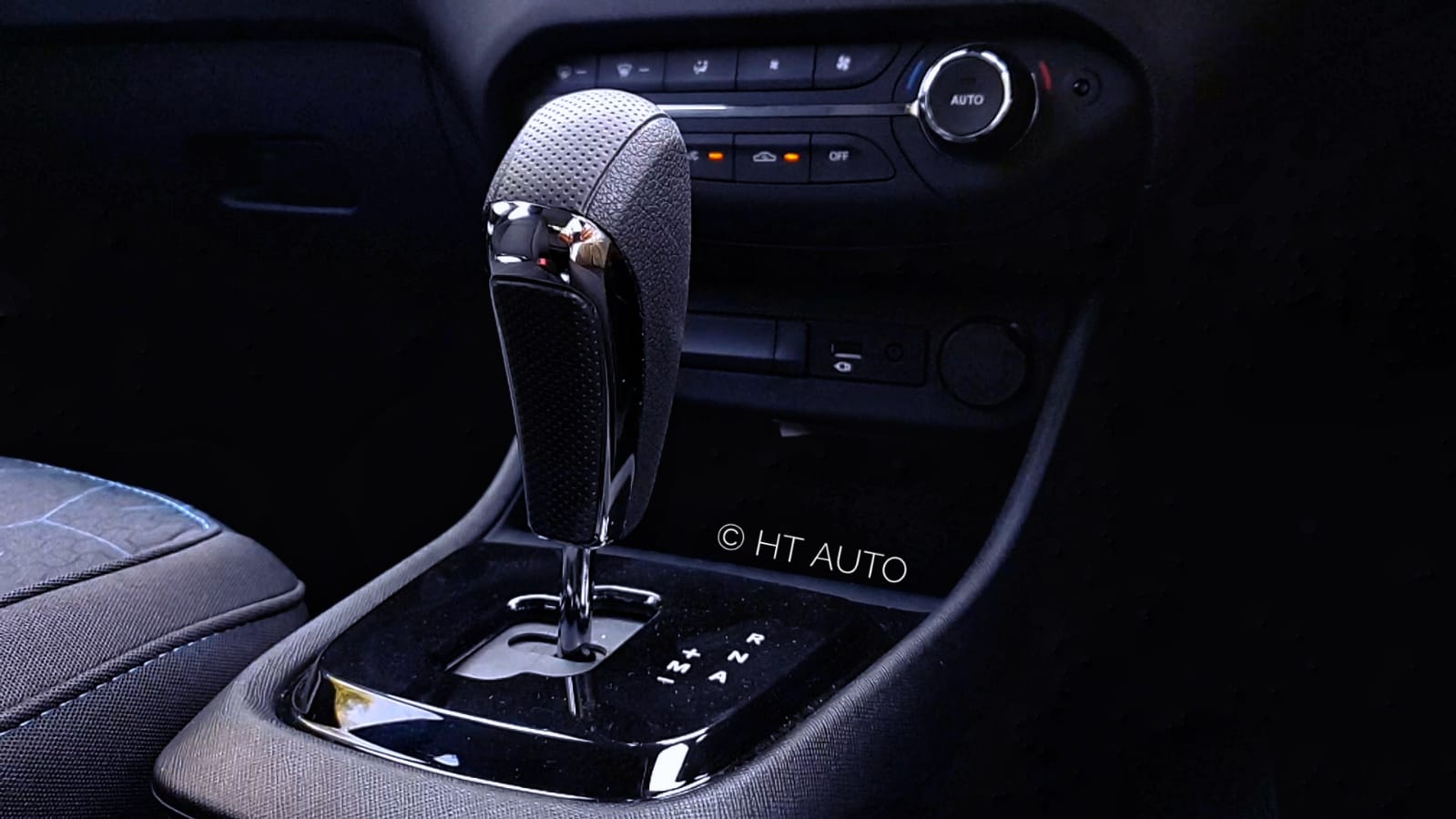
Cruising past around 60 kmph and the Punch comes into its element. Its compact dimensions meant that weaving in and out of extremely congested Delhi-Gurugram Expressway was an absolute delight. And because the steering set up is done right, it offers a good balance between heft and flexibility - a good combination to have for a car that may be doing duty on all kinds of traffic situations. There is also a traction-control mode on offer on the AMT which promises to get you out of slippery situations.
NVH levels are satisfactory although the groan of the engine does seep into the cabin when being excessively pushed. Keep it steady and the Punch manages to hint at a certain level of refinement that recent Tata cars have started putting in respective resumes off late.
But one thing Punch ought not to put on its resume is the control over body roll. Again, this is only when the vehicle is being pushed to perform but sharp turns at relatively high speeds means the driver and especially passengers at the rear will have to get a grip, literally speaking.
It was soon time for me to make the switch to the Punch with manual transmission and take my word for it - if you like the basic nuances of driving, you will love this car.
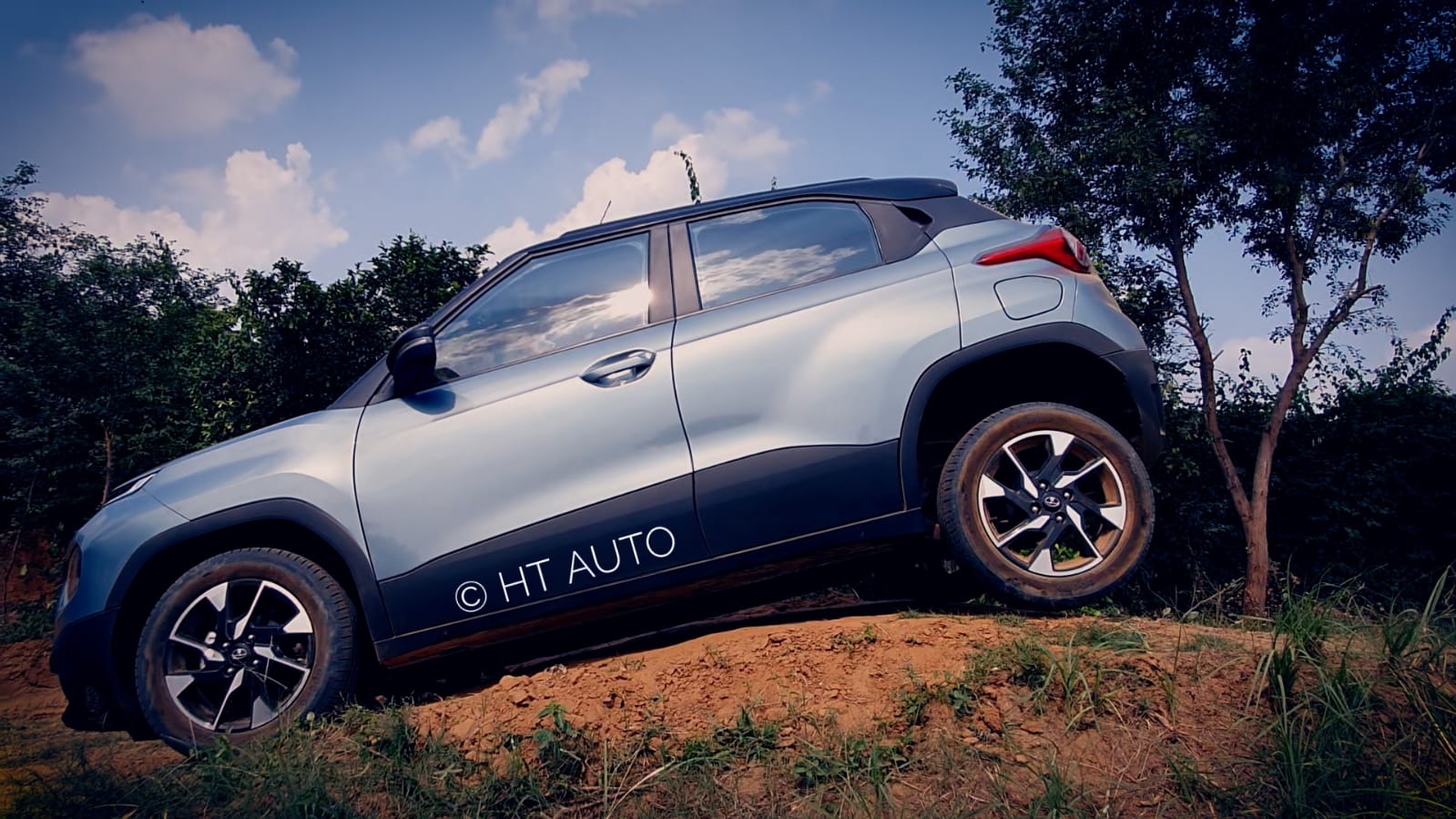
Now I am not sure if it is because I spent most of my time with the AMT or if the manual transmission is really that good but having a control over Punch's punch made me wish that I had had more than just 20 minutes with this particular option. The gear shifts are short, crisp and nearly precise. And remember the bit about planning over-taking moves? No need! Downshift, press the pedal and the Punch will execute commands nearly instantly.
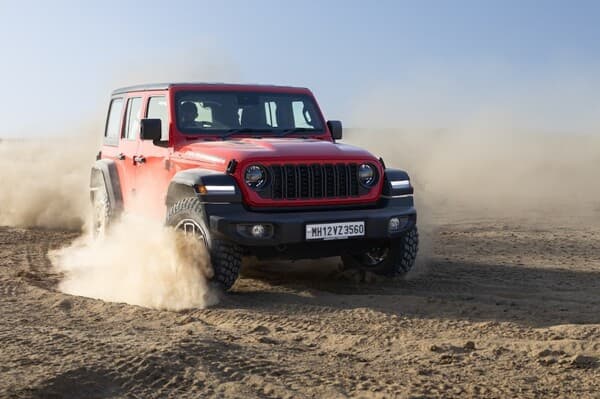
The manual gearbox is also what is likely to excel on roads less than perfect. I got a chance to test its ‘off-road’ capabilities and while it was in a controlled test track, I was mighty impressed. Sure, Punch is no 4X4 but its high-seating position does help in giving a clear view of the surroundings - crucial in tricky terrain that one may encounter. With a 20.3 approach angle, 37.6 departure angle and 22.2 ramp-over angle, Punch was nifty throughout the obstacle course. And because it has a claimed water-wading capability of 370mm, this car may also be capable of navigating through submerged roads of Indian cities during monsoon. My advice though? Don't try it unless you absolutely must have to.
Overall, it is great that Tata Motors has offered AMT on the Punch and it does have some serious SUV traits. But it is the manual transmission that would be my preferred choice and the fact that the vehicle can ably manage challenging terrain - to its best ability - is a big, big plus over rivals.
Tata Punch: Verdict
Tata Punch looks more like an SUV than many of the sub-compact SUVs out in the market. This alone could bring many to Tata showrooms to check out the vehicle. But beyond the superficiality of looks, it has a long list of core strengths that could work in its favour.
Punch may not have an absolutely exhaustive feature list or the most comfortable drive and ride experience in the segment it wants to compete in. And yet, it packs in the features that an owner is most likely to make use of - including iRA connected app support -and is an eager machine on the move. The ability on less than perfect roads don't come as a cherry on the cake but is a large and delicious part of the cake itself.
I expect Tata Motors to price the Punch very, very aggressively and assuming this happens, the SUV will surely be a very, very compelling option for buyers inclined towards this body type without having to break bank.