Royal Enfield Himalayan 440 Review: Has RE missed the mark?
- Smooth and tractable engine
- Accessible 800 mm seat height
- Comfortable riding triangle
- Clunky gearbox
- Overactive rear ABS
- Vibrating windshield and mirrors

- The Himalayan 440 retains the original's adventure spirit but lacks refinement in execution. While it boasts an upgraded engine and six-speed gearbox, issues like a clunky transmission and disappointing headlight detract from its overall appeal, despite its promising performance on rough terrain.


When Royal Enfield launched the Himalayan 411, people were, let's say, a little sceptical. It wasn't the fastest motorcycle; it wasn't the most refined and, honestly, it wasn't even the prettiest. But Royal Enfield got a lot of things right. The Himalayan 411 slowly won people over and went on to become a successful adventure motorcycle. Then came the Scram 411, which was essentially a different take on the same formula and also did reasonably well.
Then came the Scram 440. I remember wondering why Royal Enfield was making it, but after riding it, everything made sense. The Scram 440 was fun, easy to ride and much better than expected. So now we have the Himalayan 440, and the question is whether it can deliver the same surprise factor.
Also check these Bikes


The Himalayan 440 goes back to basics
The Himalayan 440 isn't the Himalayan 450. While the 450 brought a new platform, more performance, more technology and a more sophisticated package, the 440 goes back to basics. It focuses on simplicity, practicality and off-road capability.
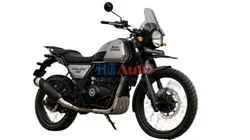
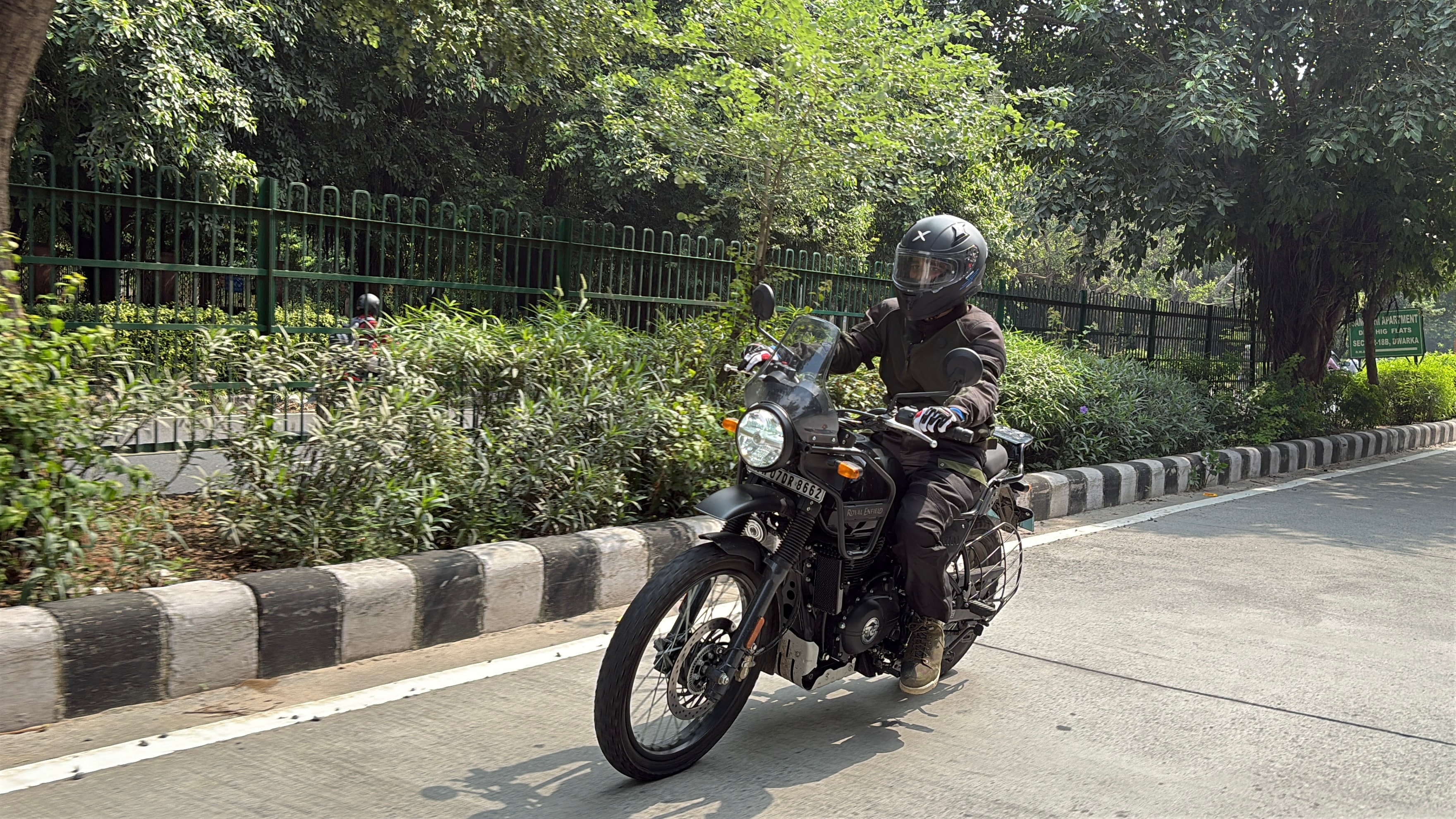
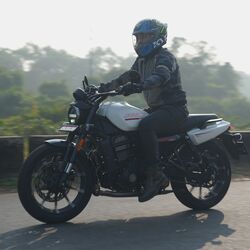
The overall design is familiar. It retains the tall, upright stance of the original Himalayan, along with a round headlamp, tall flyscreen and upright handlebar. The motorcycle gets a 15-litre fuel tank, an 800 mm seat height and 220 mm of ground clearance. It rides on a 21-inch spoked front wheel and a 17-inch spoked rear wheel, both using tube-type tyres.
There is also a 10-year anniversary badge, marking a decade of the Himalayan name, while buyers get three colour options: Mustang Brown, Nelong White and Sela Black.
443cc engine is the biggest change
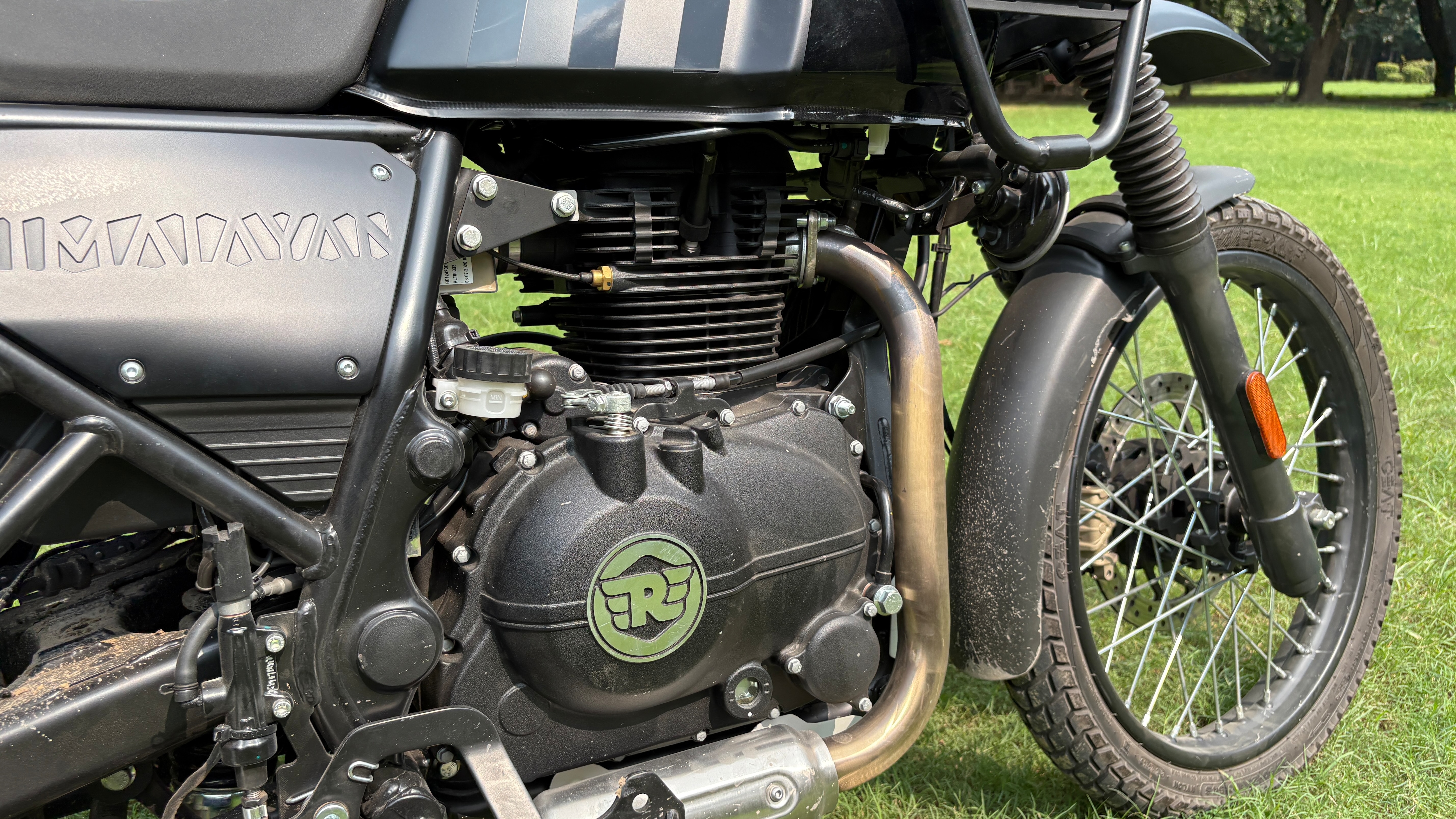
The biggest change is underneath. The Himalayan 440 uses a 443cc, single-cylinder, air-cooled, fuel-injected SOHC engine. It produces 25.4 bhp at 6,250 rpm and 34 Nm at 4,000 rpm. The engine has an 81 mm bore and 86 mm stroke, along with a 9.5:1 compression ratio. Compared to the old Himalayan 411, power is up by around 4.5 per cent, and torque has increased by roughly 6.5 per cent.
The engine works well around town. There is enough torque to make everyday riding easy and the motorcycle doesn't feel like it needs constant gear changes. That long-stroke character also suits the Himalayan's intended use, especially when riding over broken surfaces or climbing inclines. The engine is very tractable and is complemented by a beautiful raspy exhaust note.
On the highway, however, the limitations become more obvious. The Himalayan 440 can sustain 120 kmph, but it takes its own time getting there and feels like it is working hard once it reaches that speed. Around 100 kmph feels like a more realistic cruising speed, where the motorcycle feels more comfortable and relaxed. During our time with the bike, it returned around 30 kmpl.
Six-speed gearbox is welcome, but refinement is lacking
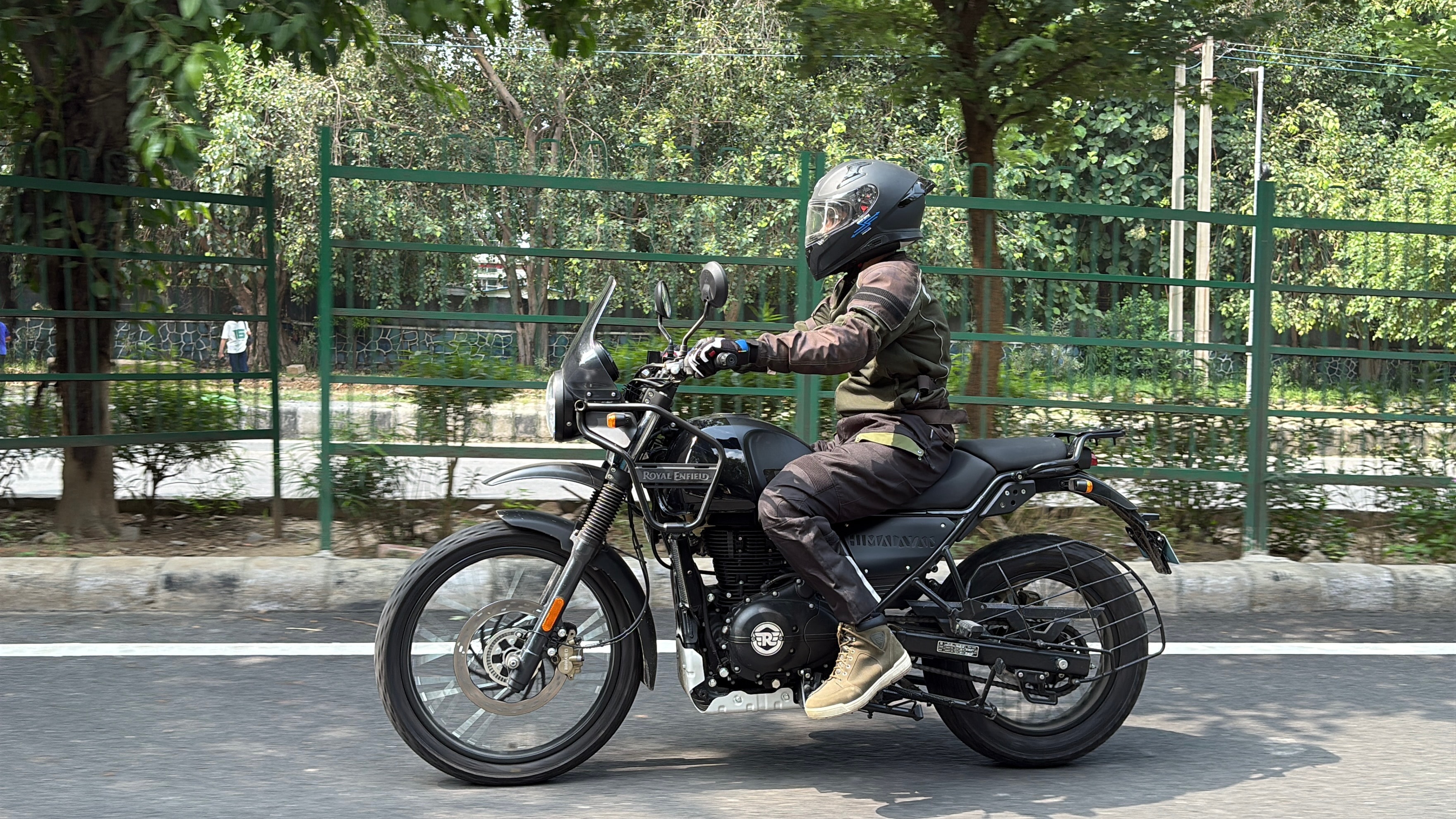
One of the major changes over the Himalayan 411 is the addition of a six-speed gearbox. In theory, that extra ratio should make highway riding more relaxed.
The clutch is light, which is a positive, but the gearbox itself is disappointing. It feels clunky and the shifts don't always feel as smooth as they should. More importantly, there are false neutrals, and they occur often enough to become irritating.
I thought we were over this.
The gearbox reminded me of the older UCE-era Royal Enfields, which is particularly surprising after riding the Scram 440. I genuinely enjoyed my time on the Scram 440 and thought Royal Enfield had made a significant improvement in refinement. The Himalayan 440 feels like a step backwards in this particular area.
Soft suspension favours rough roads
The Himalayan 440 uses a half-duplex split-cradle frame with 41 mm telescopic forks at the front and a linkage-mounted monoshock at the rear. Front suspension travel is 200 mm, while the rear gets 180 mm.
The suspension is soft and compliant, which is exactly what you want when the road gets rough. Potholes, broken roads, trails and uneven surfaces are handled with confidence, and the 220 mm ground clearance adds to its ability when the tarmac disappears.
On smooth roads, however, the soft setup becomes more noticeable. The Himalayan 440 can feel wallowy through corners, with quite a bit of movement from the suspension. It doesn't feel particularly settled when pushed through a series of bends.
This is clearly a compromise. The same setup that isn't ideal for enthusiastic cornering works well when you're dealing with rough terrain.
21-inch front wheel keeps it genuinely adventure-focused
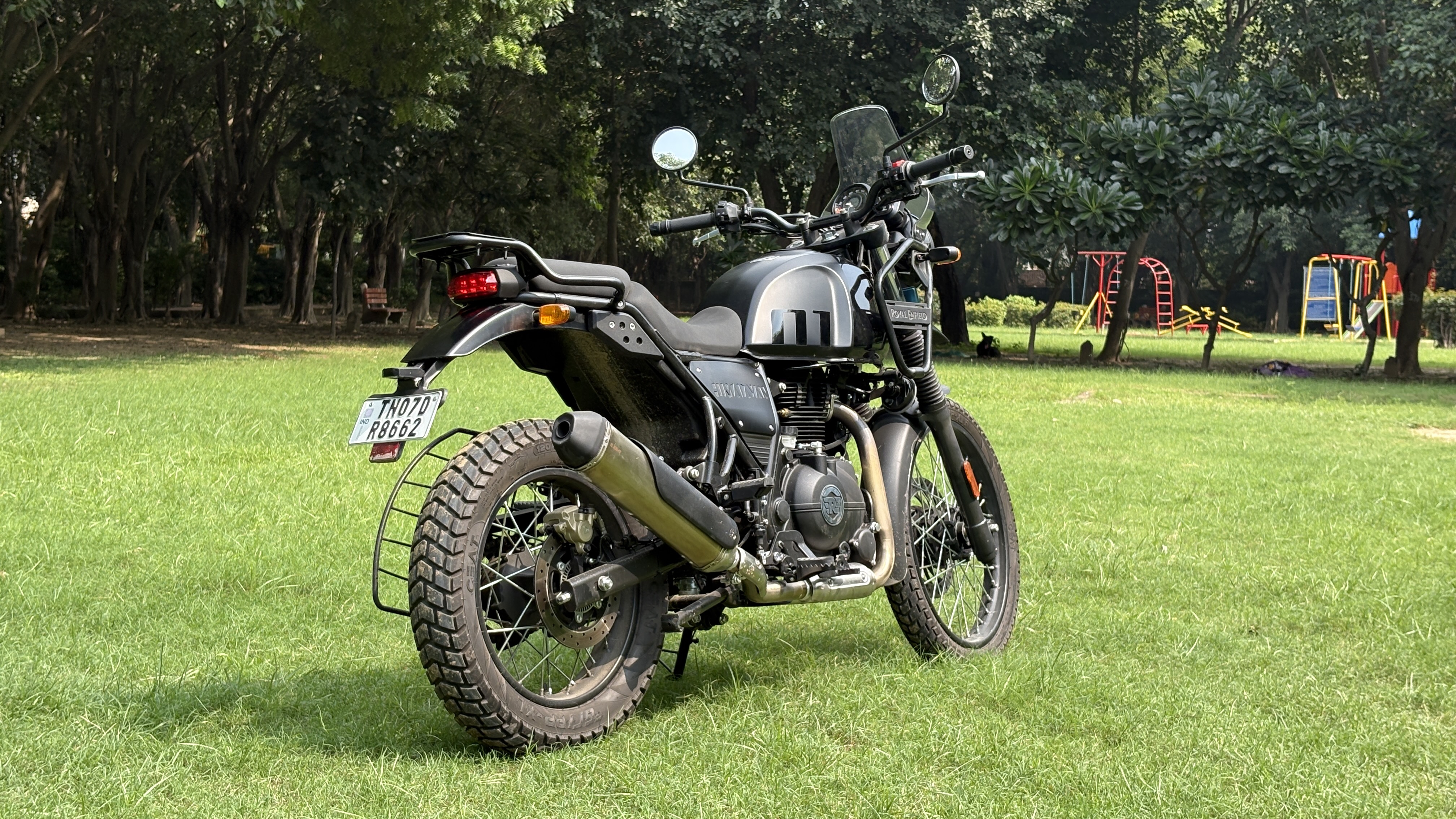
The Himalayan 440 gets a 21-inch front wheel and a 17-inch rear wheel. The front tyre measures 90/90-21, while the rear is a 120/90-17. Both are spoked and tube-type.
The 21-inch front wheel is exactly what you expect from an ADV designed to deal with rough surfaces. It helps the bike roll over rocks, ruts and uneven terrain while giving it the familiar adventure-bike stance. This isn't a motorcycle that merely looks like an ADV. The hardware is genuinely designed around adventure riding.
Brakes are adequate, but ABS calibration needs work
For the 440, Royal Enfield did say that the stopping power has been upgraded. The front gets a 300 mm hydraulic disc with a two-piston floating caliper, while the rear uses a 240 mm hydraulic disc with a single-piston floating caliper. ABS is dual-channel, with the option to switch off the rear ABS.
The braking performance itself is adequate, but I don't particularly like the rear ABS calibration. At low speeds, the rear ABS intervenes far too quickly, and you can feel it stepping in when you aren't expecting it.
The ability to switch the rear ABS off is useful for off-road riding, but the calibration itself could have been more progressive.
800 mm seat height is a major advantage
One of the strongest practical aspects of the Himalayan 440 is its 800 mm seat height. Despite its size, the motorcycle isn't particularly intimidating when you get on it.
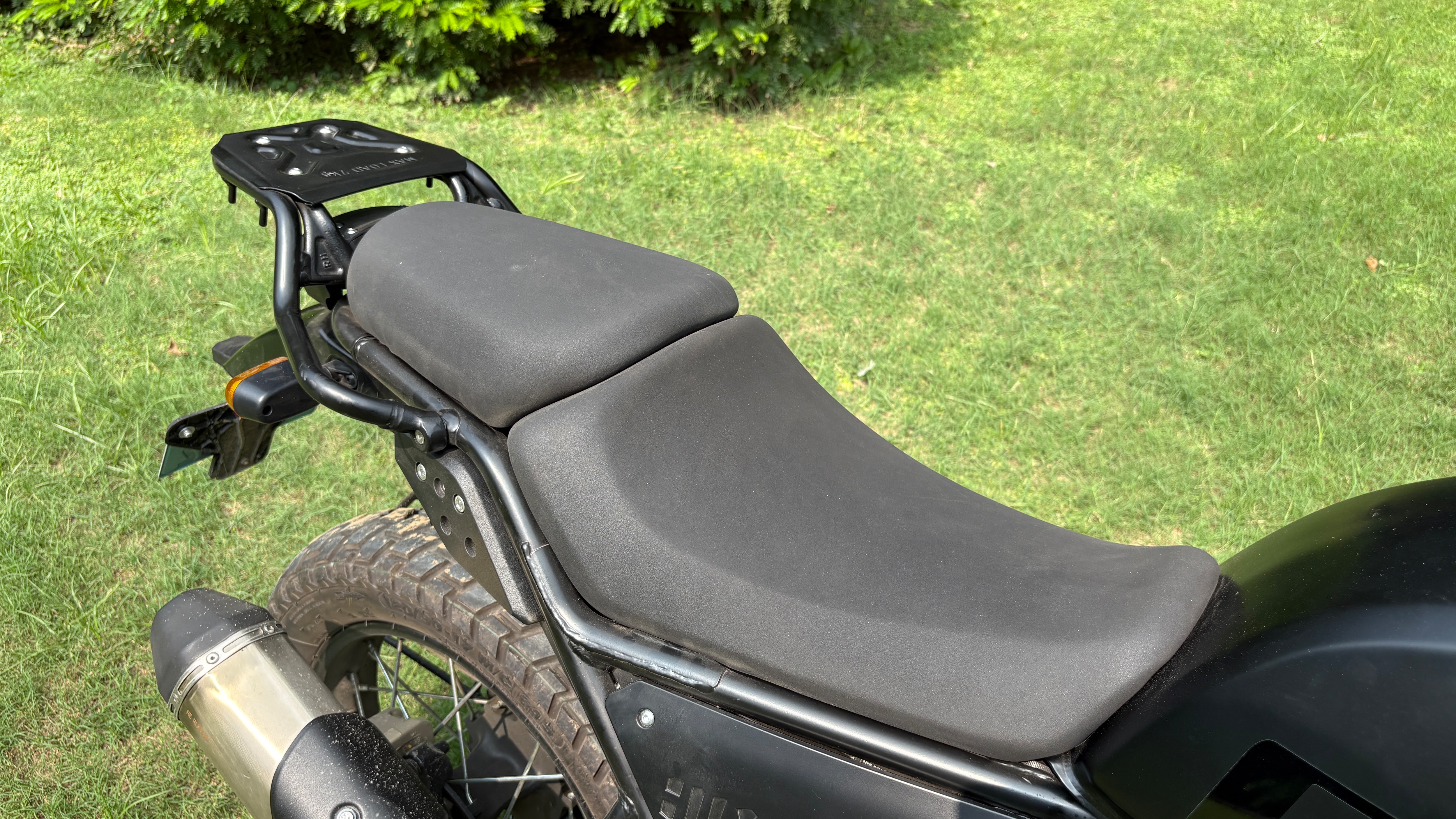
The riding position is typical ADV fare. You sit upright, get good visibility and have plenty of leverage from the handlebar. The problem is the seat itself. It is very firm. Some riders may appreciate that firmness for the support it provides, and I belong to the same category but to some, this might be uncomfortable.
Small irritations start adding up
The Himalayan 440 has several small annoyances that don't necessarily ruin the motorcycle individually, but become harder to ignore when experienced together.
The windshield keeps vibrating, the mirrors get buzzy at certain engine speeds and there are some vibrations through the seat and fuel tank. Even the sound of the starter motor caught my attention.
The motorcycle weighs 199 kg with 90 per cent fuel and oil, so it isn't a lightweight ADV either. Fortunately, the weight isn't particularly problematic once you're moving.
The headlight is disappointing
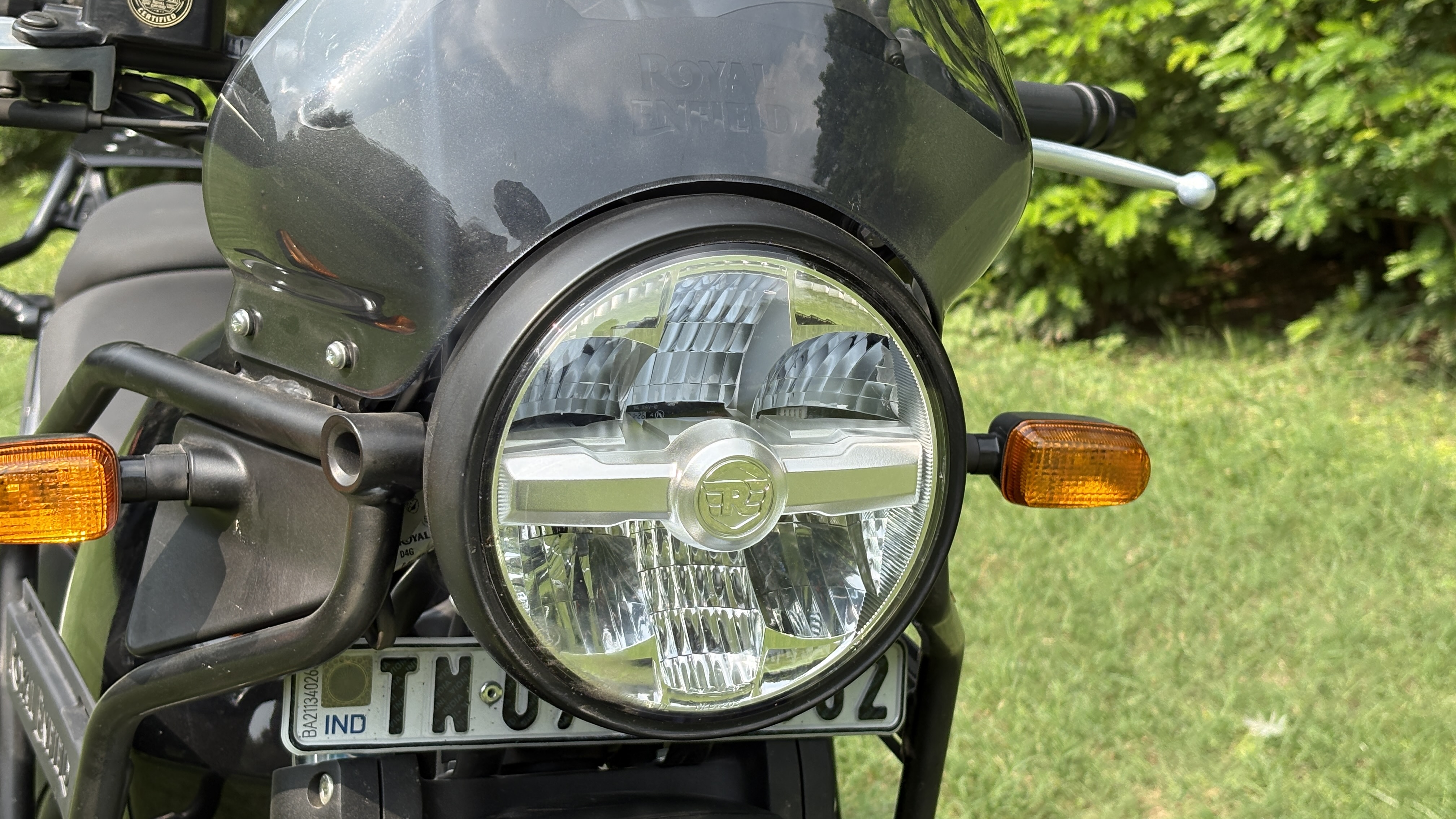
Royal Enfield has fitted an LED headlight to the Himalayan 440, but this is one area where my experience doesn't match what I'd expect from the motorcycle.
I'm just going to put it out there. The headlight is absolutely terrible. This is an adventure tourer designed for long-distance riding, and riders are likely to find themselves travelling in unfamiliar areas and potentially at night. Good lighting is therefore important, and the Himalayan 440 falls short here.
Royal Enfield is working on a new-gen headlamp that we noticed on the Flying Flea motorcycles and the Himalayan 750, so we hope future motorcycles will get a better lighting setup than the current ones.
Features are simple, but that's the point
The Himalayan 440 doesn't try to overwhelm you with technology. There is no full-colour TFT, no ride modes and no traction control.
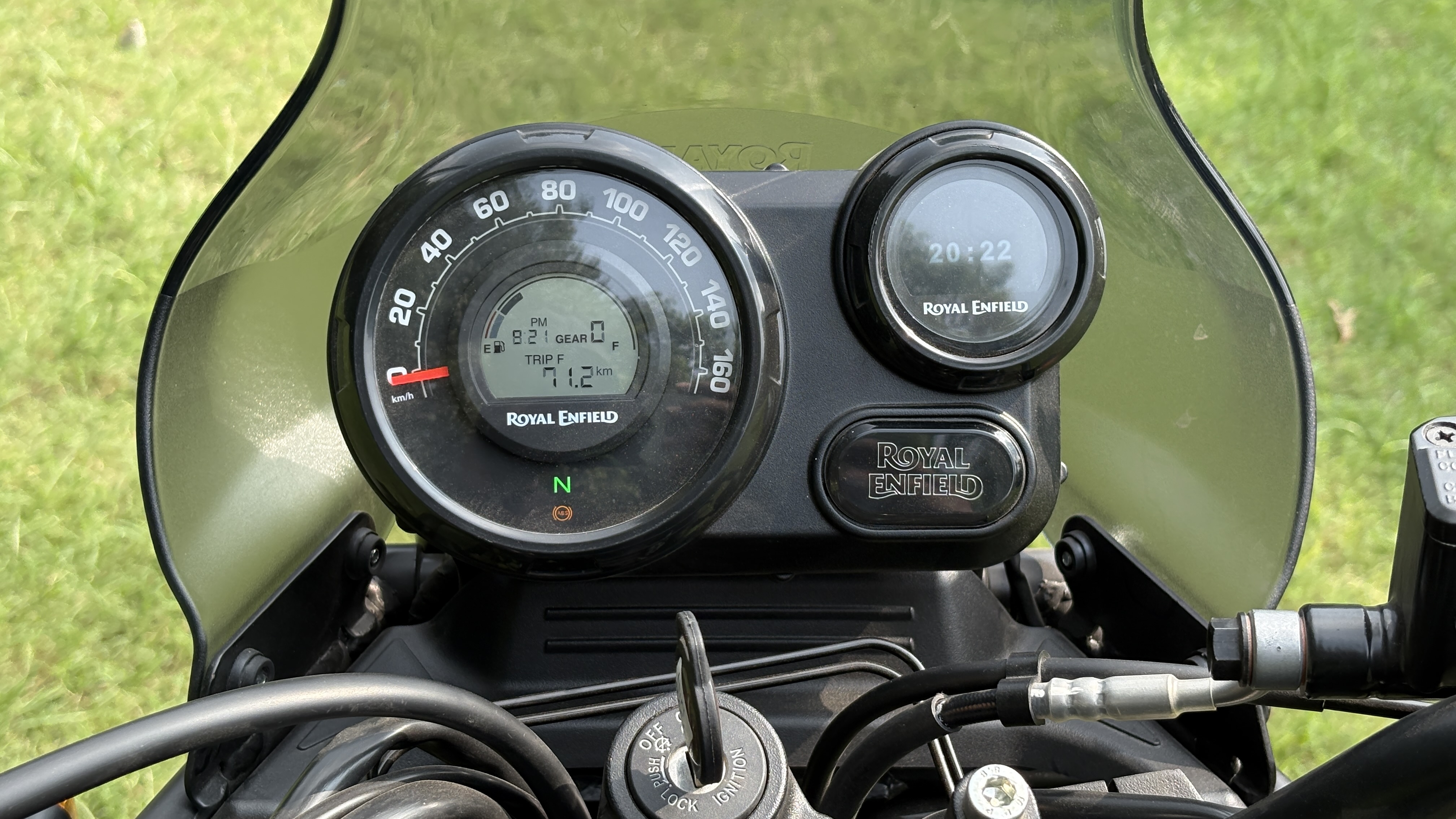
Instead, you get a digital-analogue instrument cluster and a Tripper Pod for turn-by-turn navigation. There is also a Type-C USB charging port, although its positioning is awkward.
For a motorcycle built around simplicity, this approach makes sense. It gets the essential features without turning the Himalayan into an overly complicated machine and yes, I know there will be people out there who will miss the OG instrument cluster of the 411.
Adventure accessories add touring flexibility
Royal Enfield offers a wide range of accessories for the Himalayan 440, including adventure panniers, a top box, luggage racks, engine guards, handguards and waterproof inner bags.
The rear section has also been revised to handle a greater load, making the motorcycle more suitable for carrying luggage on longer trips. This means owners can configure the Himalayan 440 for everything from shorter trail rides to multi-day touring.
Royal Enfield Himalayan 440 review: Verdict
The Royal Enfield Himalayan 440 is priced at ₹2.29 lakh ex-showroom. That's around ₹6,000 more than what the Himalayan 411 cost before it was discontinued. So, good job RE!
The Himalayan 440 is a motorcycle with a clear purpose. It takes the original Himalayan formula, adds the 443cc engine, a six-speed gearbox, updated brakes, LED lighting and a few modern conveniences, while retaining the simple adventure-bike character that made the 411 popular.
The hardware is genuinely capable. The 21-inch front wheel, long-travel suspension, 220 mm ground clearance and 800 mm seat height make it well suited to broken roads and off-road riding. The engine is also capable enough for everyday use and touring, although around 100 kmph feels like a more comfortable cruising speed than 120 kmph.
But there are a few problems that are difficult to ignore. The gearbox is clunky, false neutrals are frustrating, the seat is very firm, and there are noticeable vibrations and buzzes. The rear ABS intervenes too quickly at low speeds, and the headlight is disappointing.
That's what makes the Himalayan 440 so interesting to me. I genuinely loved my time on the Scram 440 and expected this motorcycle to deliver a similar surprise. Instead, I came away feeling that the Himalayan 440 should have been better sorted. Having said that, I am sure that this motorcycle is gonna sell really well.
It is just that it is not as polished as I expected it to be. It has the right ingredients for an adventure motorcycle, but the execution should have been better. And then there are the rivals such as the TVS Apache RTX and Suzuki V-Strom SX. That price difference could be significant and will matter to buyers in this segment.


Editor's Pick


Trending this Week