Toyota develops next-gen hybrid for future multi-pathway vehicle platforms
Toyota is developing a next-generation hybrid powertrain with 1.5L engines, targeting over 15 per cent better fuel economy. The system will support flexible multi-pathway platforms accommodating hybrid, plug-in hybrid and electric vehicles
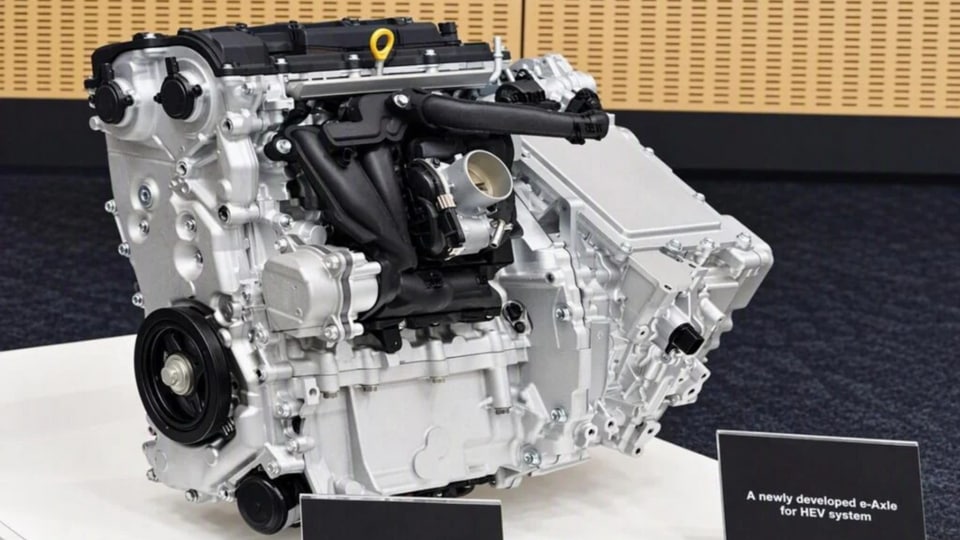


Japanese automaker Toyota is developing a next-generation hybrid powertrain for its future multi-pathway vehicle platforms, targeting a fuel economy improvement of more than 15 per cent. The new system will combine a family of 1.5L four-cylinder petrol engines, available in naturally aspirated and turbocharged configurations, with more compact and lightweight electric motors, power control units and inverters.
The new hybrid powertrain has been developed as part of Toyota's strategy to offer multiple electrified powertrain options depending on regional energy requirements, customer preferences and market demand. The system is designed to be integrated into the automaker's upcoming multi-pathway vehicle architecture, which will also support battery electric vehicles (BEVs) and plug-in hybrid electric vehicles (PHEVs).
Also check these Vehicles





Toyota's New Hybrid Powertrain
Unlike conventional approaches that adapt existing internal combustion engines for hybrid applications, Toyota has developed the new engines, electric motors and power electronics as an integrated system. The new 1.5L four-cylinder engines have been designed specifically for electrification and are intended to be smaller and more efficient than their predecessors.
The naturally aspirated version is expected to cover the performance requirements currently addressed by Toyota's 1.8L engine and its existing 1.5L three-cylinder engine. The turbocharged variant will provide an additional option for vehicles requiring higher performance. The engines will work alongside smaller and lighter electric motors as well as power control units. Toyota aims to improve overall system efficiency by optimising the integration of these components and reducing energy losses across the powertrain.
Moreover, the company is targeting a fuel economy improvement of more than 15 per cent with its next-generation hybrid system. The improvement in fuel economy is expected to come from reduced mechanical friction, improved thermal management, lower electrical losses and decreased aerodynamic drag. The compact powertrain layout is also expected to provide greater flexibility in vehicle design.
Also Read : Toyota sees opportunity beyond SUVs: Kei Takemiya on why hatchbacks still matter in India
Toyota’s New Multi-Pathway Platform
Toyota's upcoming multi-pathway platform is being developed to accommodate battery electric, plug-in hybrid and conventional hybrid powertrains within a common architecture. The new platform is expected to give Toyota greater flexibility in developing different powertrain variants while allowing designers to work with fewer packaging constraints.
The architecture is also intended to provide greater manufacturing flexibility, allowing production facilities to adjust the mix of battery electric, plug-in hybrid and hybrid vehicles according to changing customer demand.
Toyota continues to view highly efficient hybrid technology as an important part of its multi-pathway approach towards carbon neutrality. Alongside expanding its battery electric and fuel cell electric vehicle offerings, the company intends to improve the efficiency of combustion-based electrified vehicles. The automaker also plans to increase external sales of its new engine and hybrid technologies in the coming years.
Get insights into Upcoming Cars In India, Electric Vehicles, Upcoming Bikes in India and cutting-edge technology transforming the automotive landscape.
Editor's Pick





Trending this Week