SC suggests electronic surveillance mechanism to track parked vehicles on highways
Illegal parking on the national highways is a common issue across India. This leads to many road accidents.
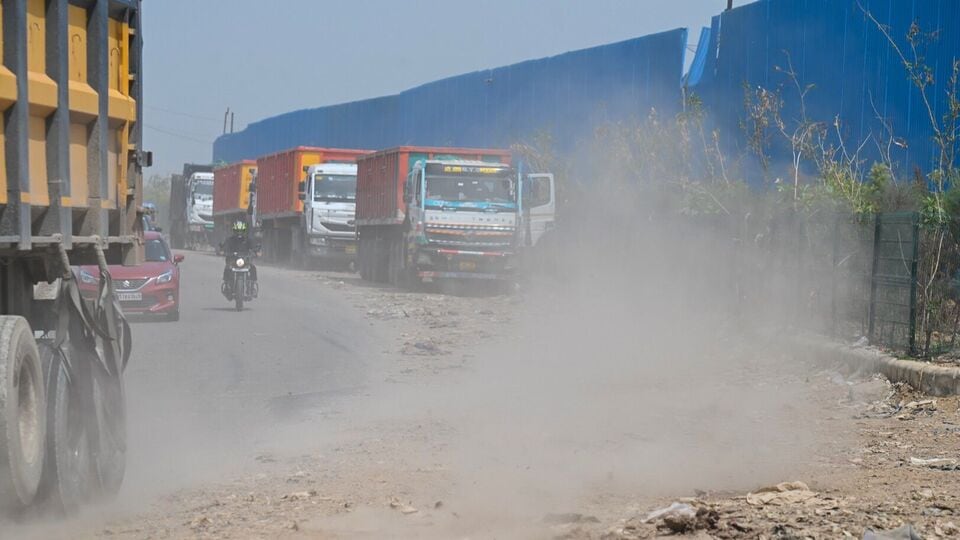
The Supreme Court has asked why the National Highways Authority of India (NHAI) can't have an electronic surveillance mechanism to immediately track stationary or parked vehicles on highways. This observation came from a bench of Justices Vikram Nath, Augustine George Masih and Sandeep Mehta, which was hearing a suo motu case related to a November 2025 road accident in Rajasthan's Phalodi area that claimed 15 lives.






PTI reported that senior advocate A N S Nadkarni, who is assisting the top court as amicus curiae in the matter, referred to some recent road accidents caused due to parking of vehicles on highways.
Trending Bikes
"Why can't the NHAI, which has got all the resources with it, have some kind of an electronic surveillance mechanism by which any vehicle found stationary or parked on the highways be immediately tracked," the bench reportedly observed.
One of the advocates appearing in the matter reportedly said that the NHAI does patrolling on the highways. The bench was informed that several interlocutory applications have been filed in the matter.
The apex court reportedly posted the matter for October 13 and said it would deal with the applications concerning removal of encroachments from the highways.
While hearing the matter, the apex court had flagged the issue of encroachment and stationary vehicles on the highways. The NHAI's counsel had then reportedly said they have issued circulars for regular inspection and patrolling to check unauthorised parking on the highways.
Illegal parking on the national highways is a common issue across India. This leads to many road accidents.
In November 2025, the Supreme Court took suo motu cognisance of the November 2 road accident in Phalodi in which a tempo traveller rammed into a stationary trailer truck. The incident occurred near Matoda village on the Bharat Mala Highway when the tempo traveller was going from Bikaner's Kolayat temple to Jodhpur.
On April 13, the top court issued a slew of interim directions, including that no heavy or commercial vehicle shall park or stop on any national highway carriageway or paved shoulder except at a designated bay, lay-bye or wayside amenity. It had also prohibited construction or operation of any new dhaba, eatery, or commercial structure within the right of way of any national highway.
The top court had directed the Ministry of Road Transport and Highways/NHAI to identify accident blackspots and critical areas and publish a comprehensive list of accident blackspots on national highways.
In its observation, the Supreme Court said that it is seen that national highways constitute approximately 2% of India's total road length but account for nearly 30% of all road fatalities. "A road, particularly a high-speed expressway, must not become a corridor of peril due to administrative lethargy or infrastructural gaps," it had said.
Get insights into Upcoming Cars In India, Electric Vehicles, Upcoming Bikes in India and cutting-edge technology transforming the automotive landscape.
Editor's Pick




Trending this Week