No intention to immediately increase ethanol blending in petrol beyond 20%, says Hardeep Singh Puri
The Indian government has no immediate plan to increase the ethanol blending in petrol beyond the current 20%.


Union Minister of Petroleum and Natural Gas, Hardeep Singh Puri, has said that the government has no immediate plan to increase the ethanol blending in petrol beyond the current 20%. The minister also claimed that misinformation was being spread about biofuels.





The Ministry of Road Transport and Highways (MoRTH) has officially amended motor vehicle rules, paving the way for flex-fuel vehicles capable of running on up to E100, which is nearly pure ethanol. This has marked a significant step towards reducing the nation's reliance on imported crude oil and boosting alternative fuel adoption. This has again propelled the discussion around a higher ethanol blend in petrol, which caused concerns for many vehicle users. Speaking about this, Puri said that the government has no plan to immediately increase the ethanol blending in petrol from the current 20%. "In so far biofuels are concerned, yes, the 20% (of ethanol blending) was the target, and there is no desire, just now, to increase by more than 20%," PTI quoted him saying, while also reportedly adding that misinformation was being spread about the issue.
Also check these Vehicles


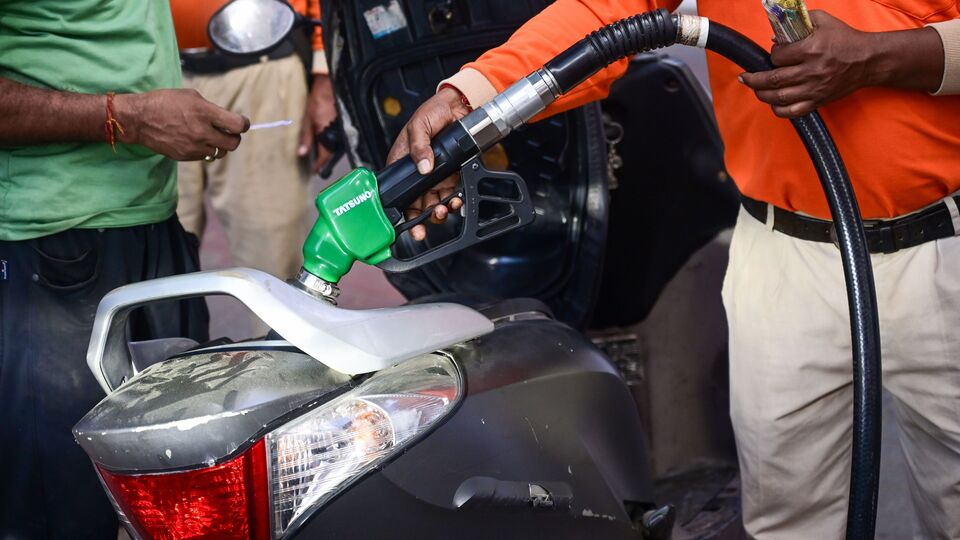
The Indian government has been promoting ethanol-blended petrol as part of its strategy to reduce dependence on imported crude oil, which is one of the biggest contributors to its current account deficit. The country has already rolled out E20 fuel, containing 20% ethanol and 80% petrol, which is currently sold across the country as standard fuel. The minister reportedly said that the introduction of E20 petrol helped the Indian government save ₹160,000 crore.
Since the rollout of E20, many motorists have claimed that, due to this ethanol-blended fuel, the vehicles, especially the older ones, have been facing issues like reduced fuel economy, increased wear and tear, etc. Speaking about this, Puri said he saw a social media post which claimed that vehicles had stopped and were facing breakdowns, implying that the government stopped selling the blended fuel. "There was some problem with the older vehicles which were manufactured before 2003," he reportedly pointed out. When asked about problems reported by the E20 fuel users, Puri said, “I think there was a problem with the transportation of the blended fuel. The tankers which were used for transportation were also used for other things. As far as the engine damage story is concerned, someone had made the claim and the particular automobile manufacturer has filed a case against him."
The minister further said that the misinformation about the E20 fuel was a contrived narrative. "Six crore vehicles go to the dispensing stations every day. If engine damage was caused, you could have seen the vehicles all over the place," he added.
Notably, the MoRTH has notified changes to the Central Motor Vehicles Rules 1989, allowing flex-fuel vehicles that can run on up to E100, which is nearly pure ethanol. The flex-fuel vehicles are designed to run on higher ethanol blends such as E85, which is 85% ethanol blended with 15% petrol, and E100, unlike conventional petrol vehicles currently approved for lower ethanol concentrations. Major automakers, including Toyota, Tata Motors, and Hyundai, are currently developing flex-fuel vehicles for the Indian market as policymakers push to reduce the country's fossil fuel import bill.
Get insights into Upcoming Cars In India, Electric Vehicles, Upcoming Bikes in India and cutting-edge technology transforming the automotive landscape.
Editor's Pick



Trending this Week