Nitin Gadkari says no speeding challans up to 120 kmph on expressways, suggests 20% leeway
- Nitin Gadkari has reportedly asked officials not to issue speeding challans for vehicles travelling at up to 120 kmph on expressways, suggesting a further 20% leeway. But does this mean motorists can drive at 144 kmph without penalty? The details matter.
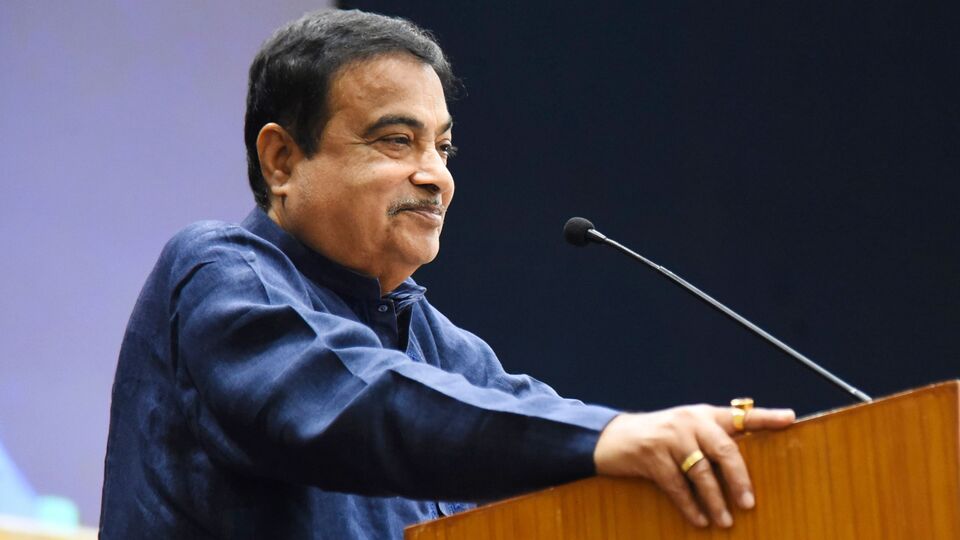
Union Road Transport and Highways Minister Nitin Gadkari has said motorists should not be issued speeding challans for travelling at up to 120 kmph on expressways, adding that authorities should allow a further 20% margin before imposing penalties.
Speaking at a Confederation of Indian Industry (CII) event on the future of India's highways, Gadkari said he had instructed officials to stop sending notices to motorists for speeds within the specified threshold.
Trending Cars







“Some people are receiving notices on the road due to speed. I have instructed that no notices should be sent for speeds up to 120 kmph. And even above 120, if someone exceeds it by 20%, let them go. If someone goes beyond this, issue a challan," he said.
What does the 20% margin mean?
If applied to an expressway stretch with a speed limit of 120 kmph, the additional 20% margin would translate to a speed of 144 kmph before a challan is issued. However, this should not be confused with a formal revision of the legal speed limit.
Speed limits vary depending on the road and vehicle category. Motorists travelling on stretches with lower prescribed limits should not assume that the 120 kmph threshold applies universally.
The implementation of the minister's instructions across automated speed-monitoring and challan systems also remains a key question. Until the applicable enforcement rules are clarified, motorists should continue to follow posted speed limits.
Also Read : All national highway toll plazas across India to be barrier-free by March 2027, says Nitin Gadkari
Push for AI-based highway monitoring
Gadkari also called for industry support in rolling out an AI-based Advanced Traffic Management System (ATMS) to strengthen highway monitoring and improve enforcement of traffic violations, including lane-discipline offences.
The proposed use of technology comes as India continues to expand its expressway network and relies increasingly on automated systems to monitor traffic and detect violations.
The minister's remarks indicate a more lenient approach towards speeding enforcement on expressways, although the extent and manner of its implementation remain to be clarified.
Get insights into Upcoming Cars In India, Electric Vehicles, Upcoming Bikes in India and cutting-edge technology transforming the automotive landscape.
Editor's Pick





Trending this Week