Mercedes-Benz reveals new powertrain strategy with F1-derived electric turbocharger, advanced EV battery technology
Mercedes-Benz introduces an F1-inspired electric turbocharger for its 1.5-litre petrol engine, while developing advanced batteries and expanding 800-volt technology as part of its plan for 40-plus launches.
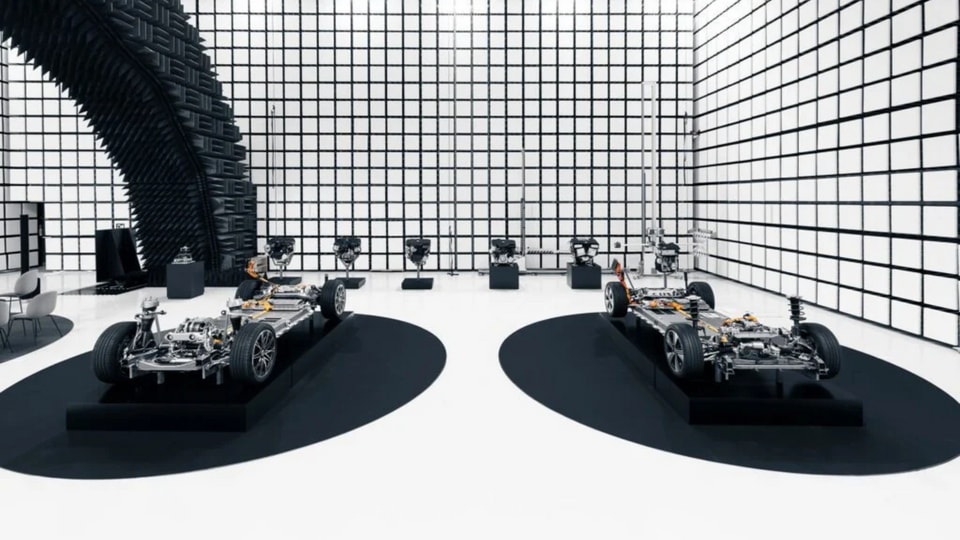


German luxury automaker Mercedes-Benz has outlined its future powertrain strategy, introducing an electrically assisted turbocharger inspired by Formula 1 technology for a revised 1.5L petrol engine. The new M 252 LS engine produces about 228 bhp plus 31 bhp, making it the most powerful four-cylinder engine in the automaker’s compact vehicle range.
The new turbocharging system operates on a 48-volt electrical architecture and can recover energy from exhaust gases. According to Mercedes-Benz, the engine allows the GLB 250 to accelerate around 0.1 seconds quicker than its predecessor, which used the M 260 engine. It also delivers an approximately 17 per cent reduction in carbon emissions.
Also check these Cars



Mercedes-Benz Expands Use Case of F1-inspired Technology
The electrically assisted turbocharger uses electrical assistance to improve turbocharger response, helping reduce the delay traditionally associated with conventional turbocharged engines. The technology draws on principles associated with Formula 1's Motor Generator Unit-Heat (MGU-H), which recovered energy from exhaust gases. Although the MGU-H was removed from Formula 1's power unit regulations for 2026, related engineering concepts continue to have potential applications in road-going vehicles.
Mercedes-Benz Targets Improved EV Battery Efficiency
Moreover, the company is working to improve battery technology for its electric vehicles, alongside its developments in combustion engines. The company is looking at alternatives to reduce the use of critical raw materials, including cobalt and nickel, by combining lithium manganese oxide with nickel manganese cobalt cathode chemistries. The automaker is also developing cobalt-free battery cells that could deliver up to 30% more range than lithium iron phosphate (LFP) batteries. However, this remains a development target rather than a confirmed improvement in production vehicles.
Also Read : Aston Martin Valhalla Spider debuts as brand’s quickest open-cockpit supercar
Not only that, but the company also plans to extend its in-house-developed 800-volt electric drive technology beyond the CLA and GLC to larger vehicles, including the E-Class and S-Class. The automaker plans to introduce more than 40 new models and derivatives by the end of 2027, with shared powertrain technologies playing an important role in its product strategy.
“No technology shapes the character of a vehicle as much as the powertrain, whether fully electric or hybrid. Our customers around the world have different needs and expectations. That is why we are committed to utilising the best technology in such a way that it delivers tangible added value and inspires our customers. True innovation arises where technical excellence translates into an intuitive driving experience and creates an almost instinctive emotional connection between the driver and the vehicle," Jörg Bartels, Vice President- Powertrain Development, Mercedes-Benz AG, said.
Get insights into Upcoming Cars In India, Electric Vehicles, Upcoming Bikes in India and cutting-edge technology transforming the automotive landscape.
Editor's Pick



Trending this Week