GRAP II implemented in Delhi; Here’s how it affects your commute
- Delhi-NCR enters GRAP Stage II after AQI hits 324, tightening pollution controls while separate vehicle-entry curbs continue at city borders.
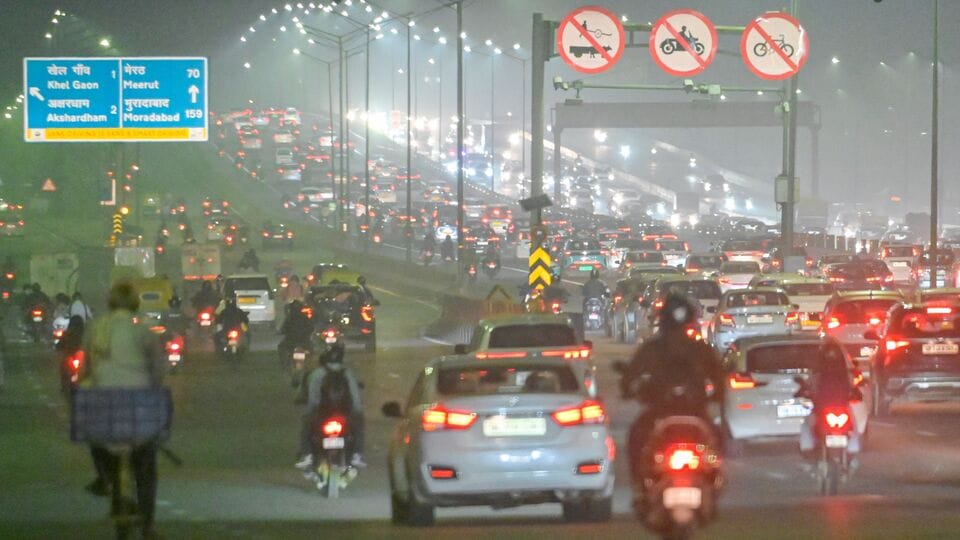


Commuters in Delhi-NCR will have to contend with higher parking charges, staggered office timings and increased public transport services as authorities implement Stage II of the Graded Response Action Plan (GRAP). The restrictions came into force immediately after Delhi's Air Quality Index (AQI) reached 324 on November 2, pushing the national capital into the 'Very Poor' category.





The Commission for Air Quality Management (CAQM) has directed agencies across Delhi-NCR to implement the additional measures alongside the existing Stage I restrictions. Here is what vehicle owners and daily commuters need to know.
Also check these Vehicles



How GRAP Stage II affects your commute
One of the key measures under GRAP Stage II is an increase in parking fees to discourage the use of private vehicles. Authorities are also looking at staggered working hours for public offices and municipal bodies in Delhi, Gurugram, Faridabad, Ghaziabad and Gautam Buddha Nagar. This is intended to spread out peak-hour traffic and reduce congestion on busy roads.
Public transport services are also set to receive a boost. The government will increase the frequency of Metro, RRTS and CNG and electric bus services to encourage commuters to leave their private vehicles at home. The Delhi Metro has announced 20 additional weekday train trips from November 3, taking the total number of additional trips to 40.
Traffic police will also strengthen deployment at busy intersections to manage congestion. Officials will intensify checks for valid Pollution Under Control (PUC) certificates and take action against visibly polluting vehicles. Motorists have been advised to use public transport or carpool wherever possible.
Older vehicle restrictions continue
Apart from the new GRAP Stage II measures, commuters entering Delhi must also follow the vehicle-entry restrictions that started on November 1. Under this separate rule, petrol and diesel vehicles registered outside Delhi that do not comply with BS-VI emission standards, including BS-IV and older vehicles, are not allowed to enter the capital. The restriction will remain in place until January 31, 2027.
Electric and CNG vehicles, along with specified emergency and essential-service vehicles, are exempt. Delhi-registered vehicles are also exempt from this particular entry restriction. However, even BS-VI vehicles entering the city must have a valid PUC certificate.
The rule is particularly significant for daily commuters travelling from Noida, Gurugram and Ghaziabad. ANPR cameras at border checkpoints will help identify non-compliant vehicles, with enforcement teams conducting checks at entry points.
Other pollution-control measures
GRAP Stage II also includes restrictions that do not directly affect daily travel. Authorities will intensify inspections at construction and demolition sites to ensure dust-control compliance. Sites and industrial units already directed to stop operations cannot resume work.
The use of coal and firewood is prohibited, including in restaurant tandoors, while diesel generator sets face restrictions except for specified emergency and essential services. Agencies will also step up mechanical road sweeping, water sprinkling and the use of dust suppressants, particularly along busy roads and identified pollution hotspots.
Get insights into Upcoming Cars In India, Electric Vehicles, Upcoming Bikes in India and cutting-edge technology transforming the automotive landscape.
Editor's Pick





Trending this Week