Bentley Torcal EV enters final development phase after extensive global testing
Bentley’s first EV, the Torcal, has completed over 1 million kilometres of extreme testing, incorporating XR-based development, advanced electrical systems and extensive battery safety validation ahead of launch
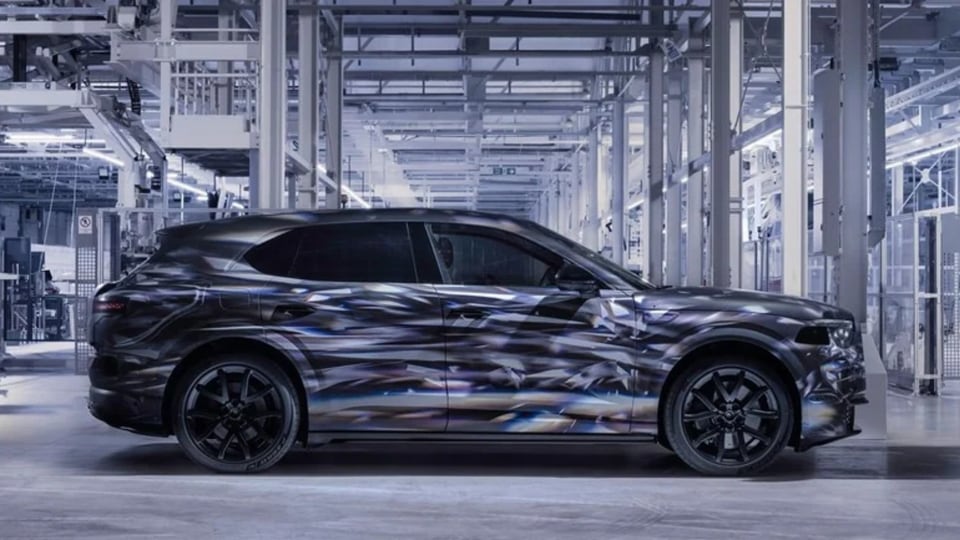


British luxury automaker Bentley has revealed details about the extensive development programme behind the Torcal, its first all-electric vehicle, just weeks after its global unveiling. The company stated that the prototype and pre-production units have collectively covered more than 1 million kilometres during testing across some of the world's most challenging environments.






The testing programme has exposed the Torcal to temperatures ranging from -38°C in Sweden to over 40°C in desert conditions. The electric vehicle has also been evaluated at altitudes ranging from sea level to more than 14,000 ft at Pikes Peak in Colorado. Bentley says the extensive validation process is intended to ensure that the Torcal delivers the refinement, craftsmanship and performance associated with the brand.
Also check these Cars




Bentley use of XR for vehicle development
Additionally, Bentley has made greater use of Extended Reality (XR) technology than ever before during the development of the Torcal. Through its XR Hub, Bentley's Concept Validation team developed a digital version of the Torcal, replicating the cabin environment with adjustable seating positions and interactive controls. This allowed engineers and designers to assess how occupants would interact with the vehicle before the corresponding physical components were manufactured.
Physical components undergo design validation
Although virtual development helps identify packaging and assembly-related challenges at an early stage, Bentley says physical evaluations remain an essential part of the vehicle development process. The Physical Design Confirmation stage involves checking component fitment, clearances, serviceability, build quality and overall customer interaction. It allows engineers to identify and implement necessary design improvements before the vehicle moves closer to production.
More than 90 per cent of the Torcal's components were available during this phase, allowing Bentley to accelerate validation and incorporate design feedback. Additionally, engineers used laser scanning technology to compare physical components with their original computer-aided design (CAD) data. Moreover, sequenced slow-build exercises were conducted to replicate production conditions. These assessments helped validate assembly procedures and manufacturing processes before the vehicle entered production.
Also Read : Mercedes-Benz GLC Electric set to launch in India tomorrow; Here's everything you need to know
Bentley Torcal EV battery undergoes safety testing
The Torcal's electric powertrain and battery technology have introduced additional testing requirements. Its battery pack offers an energy density of more than 180 Wh/kg and weighs approximately 625 kg.
Bentley has subjected the system to extensive validation procedures and regulatory compliance assessments to meet safety requirements across global markets. The battery pack also features a composite impact shield mounted underneath the enclosure, designed to protect the cells and associated components from potential damage caused by impacts to the vehicle's underbody.
The battery incorporates multiple layers of protection and monitoring to safeguard occupants under different operating conditions. Its validation programme includes fire resistance, underside impact tests and environmental durability. The company highlighted that these tests are designed to ensure that the battery system remains robust under demanding conditions. In the event of significant battery damage, the vehicle's protective systems are engineered to provide occupants with the highest possible level of safety.
Check out Upcoming EV Cars in India.
Editor's Pick




Trending this Week