Volvo XC60, XC90 facelifts debut with upgraded plug-in hybrid variants

The updated Volvo XC60 has received an exterior and interior design makeover, while the Volvo XC90 facelift continues with a similar design and feature list. Both the SUVs have received major powertrain upgrade with larger battery and better performance.


Volvo has taken the wrap off the facelifts of the XC60 and XC90 plug-in hybrid (PHEV) variants in the international market, with larger batteries and a higher claimed range. The updated XC60 and XC90 have debuted days after the Swedish luxury carmaker updated its 40 Series models, including the XC40, EX40 and EC40 with their respective facelifted versions.
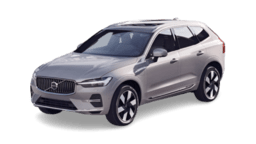



The updated Volvo XC60 has received an exterior and interior design makeover, while the Volvo XC90 facelift continues with a similar design and feature list. The auto company currently doesn't sell the PHEV versions of the XC60 and XC90 in India. However, the new models may make their way into the Indian market. If launched, they could command a slight premium over the current models available in the Indian market.
Also check these Cars

Volvo XC60 and XC90 facelifts: Powertrain receive biggest change
The biggest change introduced to the facelifted XC60 and XC90 is on the powertrain front. The auto company has replaced the XC60 PHEV’s 19 kWh battery pack with a larger 41.2 kWh unit, increasing the claimed all-electric range to up to 200 km, which is a ramp-up of 121 km from the pre-facelifted model. The larger battery adds 47 kg to the SUV, taking the total kerb weight to 2,197 kg.
The combustion engine is the same 2.0-litre four-cylinder unit powering the front wheels. Paired with the electric motors driving the rear wheels, the XC60 PHEV comes with an AWD setup, churning out 461 bhp power and 759 Nm of maximum torque. This means the plug-in hybrid powertrain generates 55 bhp and 90 Nm more. It is capable of sprinting 0-100 kmph in 4.8 seconds, faster by 0.1 seconds.
On the other hand, the updated Volvo XC90 PHEV's 19 kW battery pack has been replaced with a larger 41.2 kWh unit, promising 162 km all-electric range, up from 66 km offered by the outgoing model. The larger battery resulted in increased kerb weight by 36 kg to 2,386 kg.
The powertrain combines the same 2.0-litre four-cylinder engine powering the front wheels, paired with more powerful electric motors driving rear wheels. The XC90 PHEV comes with the AWD setup, generating a combined output of 461 bhp peak power and 751 Nm torque, up by 55 bhp and 90 Nm, respectively. It is capable of accelerating 0-100 kmph in 5.2 seconds, faster by 0.2 seconds.
Volvo XC60 and XC90 facelifts: Exterior and interior changes
The XC60 facelift has received extensive updates to the exterior and inside the cabin. It gets redesigned T-shaped ‘Thor’s Hammer’ LED DRLs, a revamped grille and a revised front bumper with new air intakes. The alloy wheel design has been changed as well, with sizes ranging between 18 inches and 22 inches. At the back, the taillights have been redesigned with a more minimalistic look, while the rear bumper comes with a cleaner look.
Inside the cabin, the XC60 facelift gets a slightly redesigned dashboard. The 11.2-inch touchscreen infotainment screen looks more integrated into the dashboard, while the AC vents come with a redesigned approach. The ADAS suite onboard the car now features upgraded radar, cameras and sensors.
On the other hand, the XC90 facelift comes with an unchanged exterior design, but inside the cabin, it sports Volvo’s new Car UX software for the 11.2-inch touchscreen infotainment system.
Check out Upcoming Cars in India 2026, Best SUVs in India.


Editor's Pick



Trending this Week