Volvo Cars India flags higher GST for plug-in hybrids, plans 3 EVs in next three years
Volvo sees higher GST rate for plug-in-hybrids as a major challenge for the growth of this segment in India.
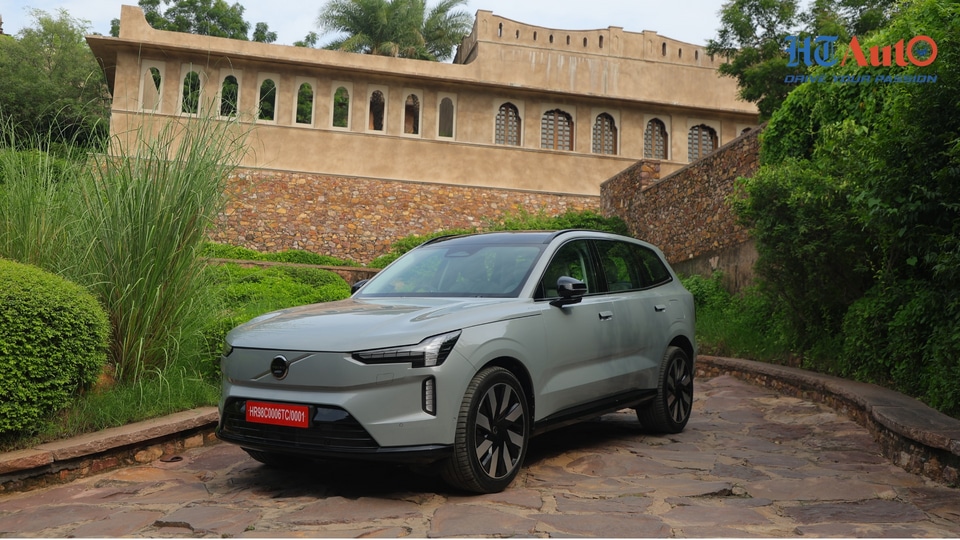


Volvo Car India is mulling the idea of bringing plug-in hybrid vehicles to India, but sees higher taxes on such models as the biggest challenge in the country. The Swedish luxury car manufacturer is aiming to take a balanced approach for its product portfolio in India, where it will offer both electric vehicles as well as mild hybrid models, while also evaluating the potential for plug-in hybrid electric cars.


Speaking to PTI during the launch of the brand's new electric luxury SUV, the Volvo EX90, Jyoti Malhotra, Managing Director at Volvo Car India, said the challenge for introducing plug-in hybrids in India is the high tax rate. "The challenge is that Indian taxation is not conducive," he said, adding that the company is assessing customers' willingness to pay the higher price for plug-in hybrids.
Also check these Cars
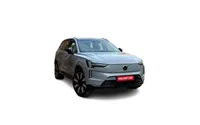
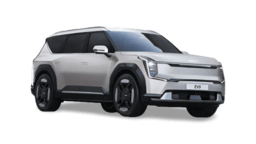
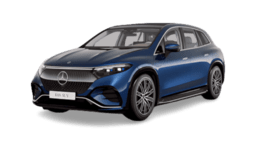

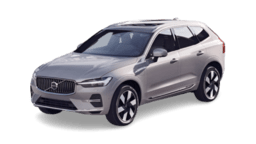
Interestingly, Volvo is not the only luxury car brand that is exploring the potential of plug-in hybrid models. Mercedes-Benz is also taking a similar approach, as the German auto giant has revealed. In fact, most legacy carmakers in India are exploring a portfolio of multiple fuel powertrains, including different types of hybrid technologies and pure electric vehicles. But hybrids, particularly the plug-in hybrid technology, are largely confined to premium and luxury segments because of their higher price. In India, pure battery electric vehicles attract 5% GST, while plug-in hybrids above the small-car category are taxed at 40%. This results in a 35% differential with pure EVs, which often poses a challenge for the growth of plug-in hybrid models.
Volvo plans to launch three new EVs over next three years
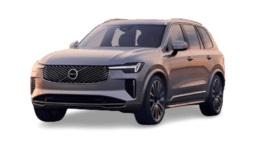
While exploring the potential of plug-in hybrid models, Volvo is also planning to launch three new electric cars in India over the next three years. The automaker currently sells two all-electric models in India - EX30 and EC40. It also offers mild-hybrid XC60 and XC90. Now, the automaker has launched the new EX90 in India.
The new six-seater luxury SUV is built on Volvo's SPA2 platform. Deliveries of the EX90 are scheduled to start in January 2027. The company's next electric vehicle launch is expected to be the ES90 sedan.
Speaking about its EV sales, Volvo has revealed that electric vehicles currently account for 25% of the OEM's sales in India, with supply-chain constraints impacting near-term sales. "Our strategy is very simple. We will bring one electric car every year," Malhotra said. However, he didn't comment on the powertrain mix strategy over the next three years.
He noted that recent supply-chain disruptions have increased the cost and lead time for imported kits used to assemble cars in India, which, he said, has made vehicle deliveries unpredictable. He also said that it has made a considerable impact on sales.
On price hikes, he said the company has not taken any price increases since the first quarter of this year despite higher costs, but indicated a hike during the festival season. "We are getting very close to where we will be forced to pass this higher cost on to customers," he said.
Check out Upcoming Cars in India 2026, Best SUVs in India.
Editor's Pick



Trending this Week