Hyundai India plans 11.40 lakh units annual production capacity by 2030, higher localisation in focus
Hyundai is aiming to ramp up its production capacity, component localisation in India.


Hyundai Motor India Ltd (HMIL) plans to ramp up its annual production capacity to 11.40 lakh units by 2030. The wholly owned subsidiary of the South Korean auto giant is also aiming to increase localisation of its vehicle components to 92% by 2032, as the auto company is planning to strengthen its manufacturing base and tap growth opportunities in India.
Hyundai currently has an installed annual production capacity of 9.94 lakh vehicles in India. By 2030, the company is aiming to increase that capacity to 11.40 lakh units per annum, reported PTI. Speaking on the production ramp-up strategy, HMIL Managing Director & CEO Tarun Garg said, “Today, Hyundai Motor India has an installed annual capacity of 9,94,000 units. By 2030, this will increase to 1.14 million units. Our two Chennai plants remain at the heart of our domestic and export operations with an annual capacity of 8,24,000 units." He also said that the automaker has sold nearly 1.40 crore vehicles from India, including one crore in the domestic market and 40 lakh through exports,
Also check these Cars
Higher localisation in focus
Hyundai currently sources around 83% of its components locally in India at the Tier-1 supplier level. The OEM aims to increase the share to 92% by 2032, which would help the brand to be more competitive against its rivals in India, especially against the country's top carmaker Maruti Suzuki.
Speaking about the localisation enhancement strategy, Garg said, "Our localisation content at Tier-1 level stands at approximately 83%, with more than 1,200 localised components. Our vendor ecosystem comprises around 200 Indian supplier partners. By 2032, we aim to increase localisation to 92%."
He also said that Hyundai's capacity expansion and localisation targets come against the backdrop of growth in India's passenger vehicle market, which has expanded from 3.7 lakh units in 1998 to an estimated 52.5 lakh units in 2026. HMIL started its operations in the country with sales of 8,500 units in 1998.
Hyundai emphasising enhanced presence in SUV segment
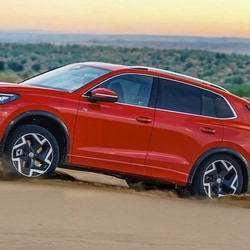
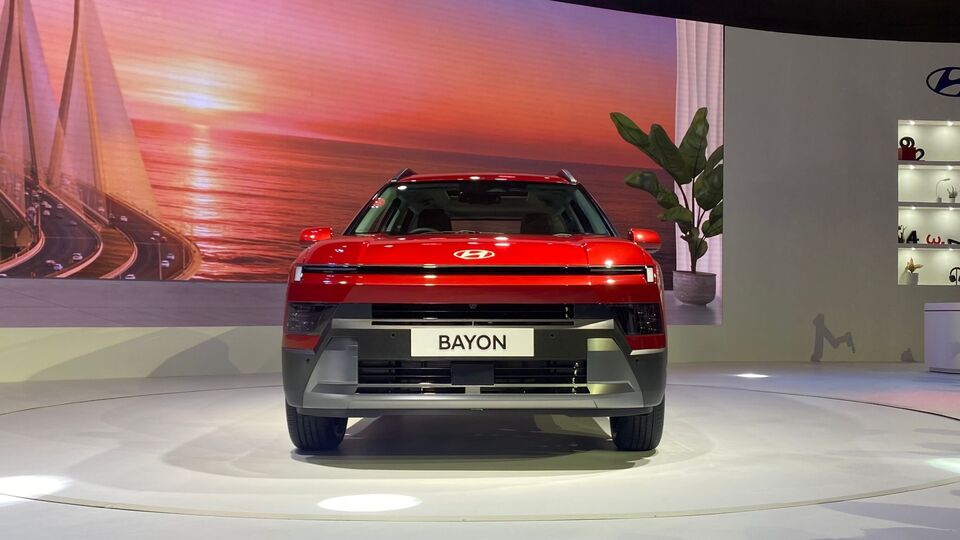
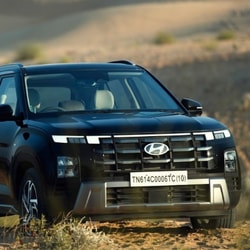
Hyundai has just launched the Bayon SUV in India, which is positioned between two of its popular models - Venue and Creta. The automaker is looking to expand its presence across SUV segments and offer a wider choice of powertrains, including CNG, electric and hybrid vehicles. The Hyundai Bayon has been launched as a key part of this strategy. Initially, it has been launched with a petrol engine, while in January 2027, a CNG powertrain will be introduced.
Speaking on the strategy, Garg said, “We will expand across growing SUV segments and offer a broader mix of CNG, electric, and hybrid choices. Artificial intelligence and software will increasingly shape the ownership experience, creating vehicles that listen, connect, and deliver increasingly personalised experiences throughout the ownership journey."
He also said SUVs, CNG vehicles and electric vehicles were driving the next phase of growth in the Indian automotive market. “SUV, CNG, and EV are driving the next wave of industry growth. SUVs have grown by 29% year-on-year, CNG by 40%, and EVs by 77%," said Garg, while adding that the company plans to launch a mass-market compact electric SUV later in FY27. The Bayon is one of two new nameplates planned for FY27, with the electric SUV being the second, Garg said. "Together, these products will expand Hyundai's presence in important growing spaces and give customers a wider choice of powertrains, technology, and mobility solutions," he said.
Hyundai is aiming to capitalise on the rising demand for mid-size SUVs in India. The mid-size SUV segment in India has expanded from 1.1 lakh units in 2015 to 8.7 lakh units in 2026, significantly outpacing the overall passenger vehicle market. "This segment has grown at an astonishing 21% CAGR compared to around 6% for India's total passenger vehicle market," Garg said, while adding, “With Bayon, we intend to further strengthen Hyundai's leadership in the mid-SUV segment, and the belief comes from 30 years of listening closely to our customers."
Check out Upcoming Cars in India 2026, Best SUVs in India.
Editor's Pick



Trending this Week